
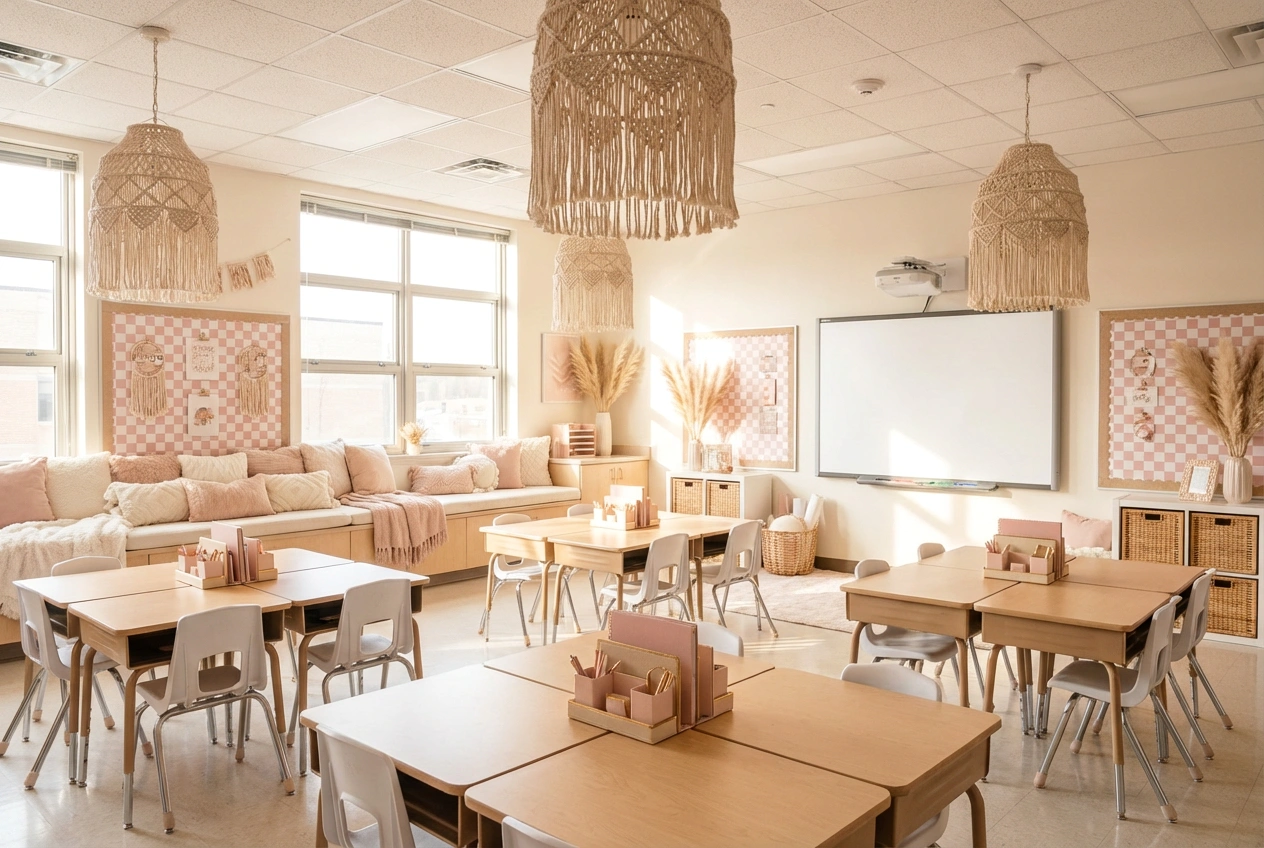
Transform Your Space with Stylish Pink Classroom Decor and Creative Ideas for Every Educator
Introduction to Transform Your Space with Stylish Pink Classroom Decor and Creative Ideas for Every Educator
Imagine a space that radiates warmth, creativity, and a sense of joyful calm—a sanctuary that inspires both focus and imagination. This is the transformative power of well-executed pink classroom decor, a design concept that has gracefully moved beyond the schoolhouse door to become a celebrated trend in modern home interiors. Far from being childish or overly saccharine, contemporary pink palettes offer a sophisticated range, from soft blushes and dusty roses to vibrant magentas and earthy terracottas. This style masterfully blends aesthetic appeal with profound emotional impact, creating environments that feel both nurturing and invigorating. Whether you’re a homeowner crafting a serene bedroom, a renter personalizing a compact living area, or a newlywed couple building your first home together, embracing this hue can fundamentally alter the atmosphere of your space. The key lies in intentional design that balances color with texture, pattern, and function. By integrating thoughtful pink-themed classroom ideas into your domestic sphere, you cultivate a space that promotes well-being, sparks creativity, and offers a visually harmonious retreat from the outside world. This guide will illuminate the path to achieving this look, proving that with the right approach, pink can be the ultimate tool for crafting a home that is both stylish and soulful.
Why Choose Transform Your Space with Stylish Pink Classroom Decor and Creative Ideas for Every Educator for Your Space
Choosing to incorporate a pink-inspired aesthetic into your home is a decision that pays dividends in comfort, visual harmony, and psychological well-being. Firstly, color psychology tells us that pink, particularly its softer shades, is associated with tranquility, compassion, and optimism. It has a calming effect that can reduce feelings of agitation, making it an excellent choice for bedrooms, reading nooks, or home offices where peace and concentration are paramount. This makes the principles behind creative classroom design incredibly relevant for home use—both environments aim to support productivity and positive mood.
Furthermore, a pink decor scheme is remarkably versatile. It serves as a stunning neutral when used in muted tones, pairing beautifully with greys, navies, forest greens, and warm woods. Conversely, in its bolder iterations, it makes a confident and energetic statement. This adaptability allows it to fit into various design styles, from Scandinavian minimalism and modern farmhouse to eclectic bohemian. The style stands out because it challenges outdated stereotypes, offering a fresh, modern, and inclusive approach to interior color.
From a functional perspective, a well-planned space using educational room styling principles prioritizes organization and flow. Just as a classroom needs zones for different activities, your home can benefit from clearly defined areas for work, relaxation, and socializing. Using color, like a specific pink accent wall or zone, can help delineate these areas without the need for structural changes. Ultimately, this decor choice is transformative because it goes beyond mere appearance; it creates an environment that actively supports your emotional state and daily routines, proving that thoughtful design is a form of self-care.
Key Elements & Design Components
Essential Decor Items for Transform Your Space with Stylish Pink Classroom Decor and Creative Ideas for Every Educator
To authentically capture this look, focus on a curated mix of color, texture, and purposeful items. Start with your foundational color palette. Instead of painting every wall a bold pink, consider it in layers: a neutral base (white, beige, grey) with pink accent walls, soft blush furnishings, or rose-colored textiles. Key furniture pieces might include a plush, dusty pink velvet sofa or an armchair, a light oak or walnut table to warm up the space, and open shelving units for display and organization—a nod to practical learning environment aesthetics.
Textiles are where you can truly infuse character and comfort. Layer a variety of textures: a chunky knit throw in pale pink, linen curtains in a mauve tone, and a patterned rug that incorporates your chosen hue. For accessories, think both decorative and functional. Artwork with pink tones, ceramic vases, and sculptural objects add visual interest. Meanwhile, incorporate creative educational decor elements like a large wall-mounted world map with a pink tint, elegant glass jars for storage, or a stylish pinboard for reminders and inspiration. Lighting is crucial; a statement pendant lamp with a pink glass shade or brass finish can act as a stunning focal point.
Style Variations & Budget-Friendly Alternatives
This aesthetic is wonderfully adaptable. For a minimalist take, use pink as a tiny but powerful accent—a single piece of art, a cushion, or a small appliance in the kitchen. A maximalist version might embrace floral wallpapers, mixed pink patterns, and abundant decor. For those with rental limitations or a tight budget, flexibility is key. Use removable peel-and-stick wallpaper in a pink pattern instead of paint. Find second-hand furniture and give it new life with a coat of chalk paint in a rosy hue. Swap expensive art for affordable prints or create your own abstract painting. Inexpensive rugs, DIY macramé wall hangings dyed with pink tea, and strategically placed plants in pink pots can achieve high impact without a high cost. The goal is to capture the feeling of the style, not to replicate a catalog page exactly.
How to Achieve the Look: Step-by-Step Styling Guide
Step 1: Define Your Palette and Theme
Begin by selecting your specific shade of pink and its supporting cast. Do you want a serene, airy feel with blush, white, and gold? A earthy, grounded vibe with terracotta, olive green, and rattan? Or a bold, modern statement with fuchsia, charcoal, and chrome? Gather inspiration and create a mood board. This foundational step ensures all subsequent choices are cohesive.
Step 2: Plan Your Layout and Zones
Consider the room’s function. If it’s a living room, define areas for seating, reading, and perhaps a small work corner. Use area rugs and furniture arrangement to create these “zones,” much like different stations in a well-designed classroom. Ensure there is a clear flow of movement and that key pieces are anchored properly. In a bedroom, separate sleeping, dressing, and relaxation areas.
Step 3: Build Your Foundation with Large Pieces
Invest in or source your key furniture items first: the sofa, bed, dining table, or storage units. Choose these in neutral colors or your selected pink shade. This is where a pink accent chair or a neutral sofa with pink decorative pillows can start to build your color story. Prioritize comfort and quality for items used daily.
Step 4: Layer Textiles for Depth and Comfort
This is where the room becomes inviting. Add your rug, curtains, throw blankets, and cushions. Mix materials—velvet, linen, wool, cotton—in complementary tones of your palette. A pink area rug can anchor the space, while layered bedding in varying pink and white textures creates a hotel-like feel in the bedroom.
Step 5: Illuminate with Intentional Lighting
Layer your lighting. Ensure you have ambient (overhead or large lamps), task (reading lights, desk lamps), and accent (picture lights, small shelf lamps) lighting. Choose fixtures that complement your style—a sleek pink table lamp, a paper lantern, or vintage brass sconces. Good lighting enhances every other element in the room.
Step 6: Accessorize with Purpose and Personality
Finally, add the layers that make the space uniquely yours. Style shelves with books, plants, and objects in your color scheme. Hang artwork at eye level. Incorporate natural elements like wood, stone, and plenty of greenery to balance the pink. Add functional classroom-inspired organization like beautiful trays, labeled baskets, or a stylish wall calendar.
Elevating the Look: Advanced Styling Tips
To truly perfect your pink-themed space, focus on the details. First, consider the power of reflection and metallics. A strategically placed mirror not only makes a space feel larger but also bounces light around, enhancing the glow of your pink tones. Pair with metallic accents in brass, copper, or brushed gold for a touch of luxury that contrasts beautifully with soft pinks.
Next, think vertically. Utilize wall space beyond just artwork. Install floating shelves in an asymmetrical arrangement to create dynamic displays. Hang a tapestry or a large-scale, abstract piece of textile art. This approach, often used in dynamic learning spaces, adds depth and draws the eye upward, making rooms feel more expansive.
Don’t shy away from pattern mixing. Pair a striped pink cushion with a floral one in coordinating colors, or use a geometric pink rug under a curved, solid-colored sofa. The key is to keep one color (pink) as the common thread. Finally, engage the senses beyond sight. A signature room spray with notes of rose, peony, or cotton blossom can reinforce the aesthetic, creating a fully immersive and memorable environment.
Maintenance & Care: Keeping Your Space Fresh
Maintaining the fresh, intentional look of your pink decor scheme requires some simple routines. For textiles like cushions, throws, and lightweight curtains, regular shaking, airing, and following label instructions for washing will keep colors vibrant and fabrics free of dust. For upholstered furniture in pink fabrics, especially velvets, use a soft brush attachment on your vacuum weekly to prevent dust buildup and fluff the nap.
Surfaces should be dusted regularly with a microfiber cloth. For painted pink accent walls, use a mild soap and water solution for spot cleaning, testing in an inconspicuous area first. To keep the decor feeling current, plan for seasonal “refreshes.” This doesn’t mean overhauling the room; simply swap out a few accessories—change throw pillow covers, add a heavier blanket in winter, or introduce new seasonal greenery. This flexible approach, inspired by rotating classroom displays, keeps the space feeling dynamic and cared-for without constant major investment.
FAQs: Frequently Asked Questions About Transform Your Space with Stylish Pink Classroom Decor and Creative Ideas for Every Educator
Q: Won’t a pink room feel too childish or feminine?
A: Not at all. The perception of pink has evolved dramatically. By choosing sophisticated shades like mauve, blush, or terracotta, and pairing them with mature elements like dark woods, black metals, and sleek lines, you create a space that is modern, elegant, and gender-neutral. The context and styling make all the difference.
Q: How can I incorporate pink in a small, dark room without making it feel smaller?
A: Use pink as an accent rather than the main wall color. In a dark room, opt for lighter, brighter pinks to reflect available light. Paint just the trim or ceiling, or use pink in accessories and textiles against light, reflective walls. Mirrors and good lighting are essential companions.
Q: What colors pair best with pink home decor?
A: Pink is incredibly versatile. For a soft look, pair with whites, creams, and light greys. For contrast and depth, combine with navy blue, forest green, charcoal, or black. For a warm, earthy feel, try terracotta pink with olive green, mustard yellow, and natural rattan.
Q: I’m on a very tight budget. Where should I start?
A: Start with textiles and paint. A gallon of paint for an accent wall or a piece of furniture is a low-cost, high-impact change. Then, add a few pink decorative pillows and a throw blanket. Shop second-hand for furniture you can upcycle, and use DIY projects for art and accessories. Small changes can collectively create a big transformation.
Q: How do I balance pink so the room isn’t overwhelming?
A: The 60-30-10 rule is a helpful guide. Let 60% of the room be a neutral base color (walls, large sofa). Use your primary pink for 30% (an accent wall, area rug, curtains). Then, use a contrasting or metallic color for the final 10% in accessories. This ensures balance and visual interest.