
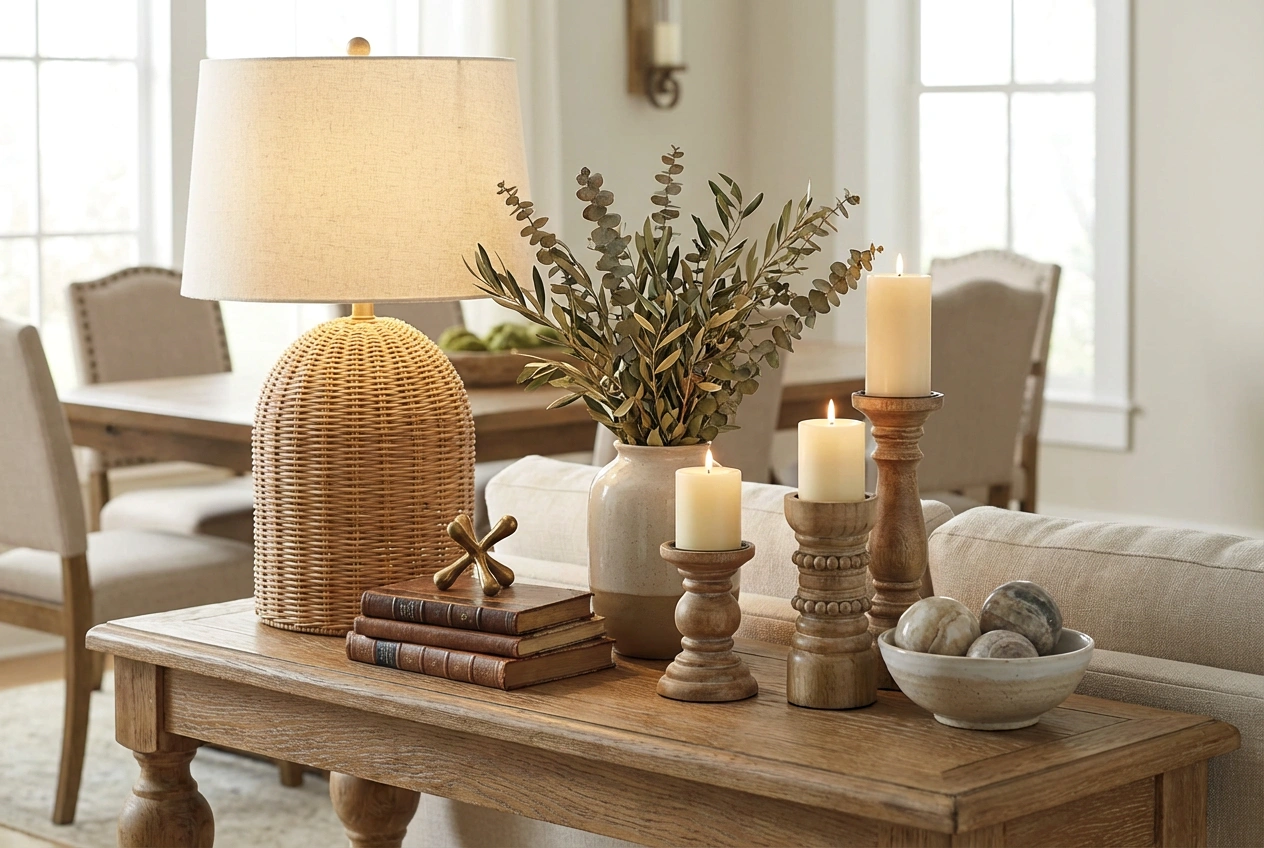
Stylish Dining Room Side Table Decor Ideas to Elevate Your Home Aesthetics and Functionality
Introduction to Stylish Dining Room Side Table Decor Ideas to Elevate Your Home Aesthetics and Functionality
Often overlooked, the dining room side table is a hidden gem of interior design. This versatile surface, whether a console, a slender accent table, or a sturdy plant stand, holds immense potential to define your dining area’s character. Mastering your dining room side table decor is not merely about placing a few objects; it’s about crafting a curated vignette that balances beauty with purpose. This small but mighty canvas allows you to inject personality, enhance the room’s ambiance, and solve practical needs, all while complementing your larger dining set. From minimalist modern arrangements to lush, layered displays, the way you style this piece can transform the entire feel of your space, making it feel more cohesive, inviting, and thoughtfully designed. Ultimately, a well-decorated side table serves as a functional anchor and a visual delight, proving that great style truly is in the details.
Why Choose Stylish Dining Room Side Table Decor Ideas to Elevate Your Home Aesthetics and Functionality for Your Space
Investing time in your side table styling offers a remarkable return, impacting both the form and function of your dining room. Firstly, it creates a powerful focal point. A bare table is simply furniture; a styled one becomes a destination for the eye, drawing attention and adding depth to the room’s layout. This is especially crucial in open-plan living areas, where a beautifully arranged console can help define the dining zone without the need for walls.
Secondly, it enhances functionality exponentially. Strategic dining table accent decor turns this surface into a practical hub. It can hold serving essentials during a dinner party, display cherished dinnerware, or offer a convenient spot for a drink glass. Moreover, it provides an opportunity for personal storytelling. The objects you choose—a stack of art books, a vase from a memorable trip, a piece of heirloom silver—weave your narrative into the home’s fabric, making the space uniquely yours.
Finally, it’s an accessible and low-commitment way to experiment with design. Unlike painting walls or buying a new dining set, refreshing your side table styling is quick, affordable, and reversible. You can change the entire mood of the room with the seasons or for a special occasion, making it a perfect project for renters and homeowners alike who crave dynamic, evolving interiors.
Key Elements & Design Components
Essential Decor Items for Stylish Dining Room Side Table Decor Ideas to Elevate Your Home Aesthetics and Functionality
Creating a captivating tablescape relies on a mix of key components. Start with a foundational anchor piece. This is typically the tallest or largest item, providing structure. Excellent options include a substantial table lamp for ambient light, a tall vase with branches or dried florals, or a framed piece of art leaned against the wall.
Next, introduce layered elements of varying heights and textures. This creates visual interest and prevents a flat, staged look. Consider stacking a few hardcover books to use as a riser for a smaller object, like a ceramic bowl or a scented candle. A medium-height object, such as a small sculpture or a potted orchid, adds a middle layer.
Don’t forget functional and personal accents. This is where your dining room console styling gets personal. Incorporate a beautiful tray to corral smaller items like coasters or a decanter. Add organic texture with a small bowl of polished stones, a piece of driftwood, or a woven basket. Finally, always include one or two personal touches—a vintage camera, a family photo in an elegant frame, or a collection of sea glass.
Style Variations & Budget-Friendly Alternatives
The beauty of accent table decoration is its adaptability. For a modern minimalist look, stick to a monochromatic palette with just two or three sculptural objects. A rustic or farmhouse style might feature a wooden dough bowl filled with seasonal gourds, a mason jar with wildflowers, and a wrought-iron candle holder.
If you’re working with a tight budget, creativity is your best tool. Thrift stores are treasure troves for unique vases, candlesticks, and trays. Use items you already own in new ways: a cake stand becomes a dramatic riser, and a favorite mug can hold utensils. For a high-end look without the price tag, focus on quality faux plants, paint old frames a uniform color, and use library books for height. Remember, thoughtful curation always trumps expensive purchases.
How to Achieve the Look: Step-by-Step Styling Guide
Crafting the perfect dining room side table decor is a simple, enjoyable process. Follow these steps to build a balanced and beautiful display.
Step 1: Clear and Clean Your Canvas
Begin with a completely empty surface. Wipe it down thoroughly. This blank slate allows you to assess the table’s proportions and the surrounding wall space without distraction, ensuring your final arrangement is intentional.
Step 2: Establish Your Anchor Piece
Place your largest or tallest item first. Position your lamp or tallest vase toward one side (either left or right) rather than dead center. This creates a more dynamic, asymmetrical balance that is more pleasing to the eye and leaves room for layering.
Step 3: Build Height and Layers
Use books, decorative boxes, or a small stack of trays to create different levels. Place a medium-height object, like a small plant or a cluster of candles, on top of this riser. This step is crucial for adding depth and preventing all items from sitting on the same plane.
Step 4: Incorporate Medium and Small Accents
Fill in the space around your anchor with your secondary items. A medium-sized bowl, a framed photo, or a decorative box can occupy the middle ground. Then, add smaller objects like a singular interesting stone, a ring dish, or a delicate figurine to fill gaps and add detail.
Step 5: Add Organic and Textural Elements
Introduce something natural to soften the arrangement. This could be a small potted succulent, a vase with a single stem, a piece of coral, or a linen napkin folded neatly under a tray. Texture is key to making the display feel inviting and tactile.
Step 6: Step Back and Edit
Walk away from the table, then return with fresh eyes. Assess the balance. Is one side too heavy? Does it look cluttered? Remove one or two items. The goal is a curated collection, not a crowded shelf. Often, less is more in effective console table styling.
Elevating the Look: Advanced Styling Tips
Once you’ve mastered the basics, these advanced tips will polish your dining room side table decor to perfection. First, consider the “rule of threes.” Grouping items in odd numbers, particularly threes, is naturally more appealing and memorable. This could be three vases of varying heights, three stacked books, or a trio of complementary objects.
Secondly, play with lighting beyond the standard lamp. Incorporate a small, battery-operated candle or a LED light behind a sculptural object to create a soft glow and dramatic shadows in the evening. This adds an extra layer of ambiance.
Furthermore, don’t neglect the wall space above. Your side table and the wall art above it should work as a cohesive unit. The art should complement, not compete with, the table display. Ensure there is a visual connection through color, theme, or frame style. Finally, embrace negative space. Allowing some of the beautiful table surface to show through gives the arrangement room to breathe and highlights each chosen piece.
Maintenance & Care: Keeping Your Space Fresh
Maintaining your stylish dining table accent decor is straightforward but essential. Dust regularly with a soft microfiber cloth to prevent buildup, paying special attention to intricate objects and lamp bases. For spills on wood surfaces, wipe immediately with a slightly damp cloth and dry thoroughly.
To keep the look feeling current, implement a seasonal refresh. This doesn’t require a full overhaul. Simply swap out a few key items: exchange summer seashells for autumn leaves in a vase, switch a light linen runner for a richer velvet one in winter, or change the scent of your candle. Rotating personal items, like coffee table books or travel souvenirs, is another excellent way to prevent visual fatigue and continually engage with your space.
FAQs: Frequently Asked Questions About Stylish Dining Room Side Table Decor Ideas to Elevate Your Home Aesthetics and Functionality
How do I style a small dining room side table without it looking cluttered?
Focus on verticality and minimalism. Choose one tall, slender item like a floor lamp or a narrow vase with a single branch. Add only one or two small, flat items, such as a small tray or a coaster stack. Keeping the color palette simple and unified will also help the space feel larger and less busy.
What are some common mistakes to avoid in dining room side table decor?
The most common pitfalls are overcrowding the surface, creating a symmetrical “museum exhibit” look that lacks dynamism, and ignoring scale (using items that are too small or too large for the table). Additionally, forgetting functionality—leaving no room to actually place a drink—defeats the purpose of the table.
How can I make my side table decor cohesive with my dining room’s overall style?
Pull colors, materials, and themes from your larger dining room elements. If your dining chairs have black metal accents, incorporate a black frame or candlestick. If your rug has a subtle blue pattern, add a blue ceramic vase. This creates a thread of continuity that ties the whole room together.
What if I have kids or pets? How do I create a stylish but safe display?
Opt for durability and security. Use heavier, less tippy bases for vases and lamps. Secure the back of the table to the wall if possible. Choose unbreakable materials like resin, metal, or treated wood for decorative objects. You can still create a beautiful look with woven baskets, wooden bowls, and framed art placed higher up on the wall.