
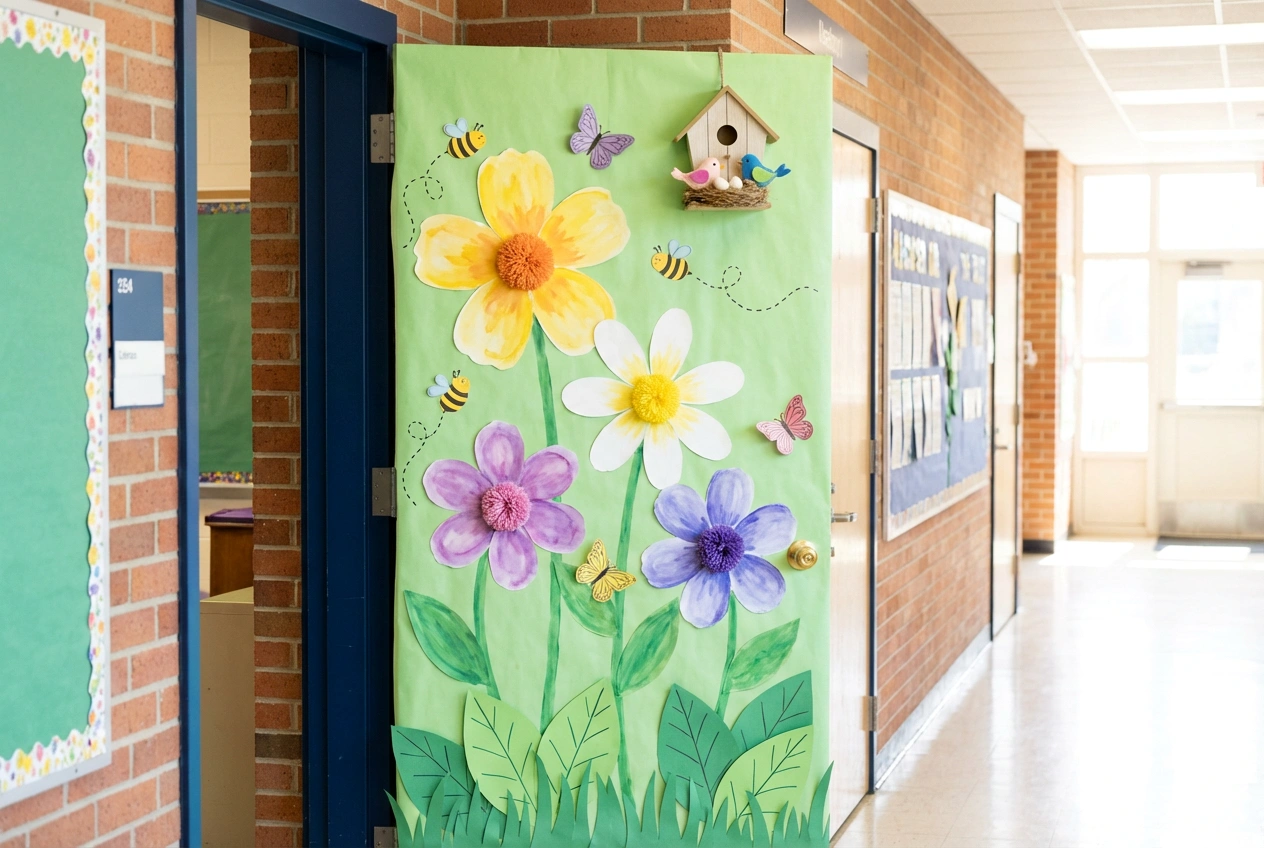
Spring Classroom Decor: Creative School Door Decorations to Brighten Up Your Classroom
The first impression of any learning environment begins at the threshold. As winter fades and the world awakens, there’s no better way to signal a fresh start than with vibrant school door decorations for spring classroom decor. This transformative approach goes beyond mere craft; it’s a powerful design statement that sets the tone for curiosity, joy, and creativity within. More than just a seasonal update, these decorative entries act as a visual welcome mat, instantly uplifting the spirits of students and educators alike. By investing thought and creativity into your classroom portal, you create an immersive, thematic gateway that enhances the entire educational atmosphere, making every day feel like a new beginning.
Introduction to Spring Classroom Decor: Creative School Door Decorations to Brighten Up Your Classroom
Imagine stepping into a space that feels alive with possibility, where the very entrance whispers of growth, renewal, and vibrant energy. This is the profound impact of dedicated spring classroom decor, with the door serving as its captivating centerpiece. Far from a simple bulletin board extension, a creatively adorned classroom door establishes a thematic narrative, builds anticipation, and fosters a strong sense of community and identity. Whether you’re a teacher crafting a magical entry for your students, a parent helping transform a learning space, or a DIY enthusiast looking for a meaningful project, this endeavor blends aesthetic appeal with significant emotional resonance.
The core of this design concept lies in its ability to merge functionality with pure, unadulterated joy. A well-executed spring door display is not clutter; it is a curated installation. It utilizes color psychology—soft pastels to calm, bright primaries to energize—and tactile elements to engage different senses. Furthermore, this style celebrates impermanence and creativity, allowing for low-commitment, high-impact transformations that can evolve with the season. From “April Showers Bring May Flowers” motifs to buzzing bee hives and sprawling garden vines, each theme invites students into a story, making the classroom not just a room, but a destination. Ultimately, embracing this form of decorative expression is a testament to the belief that our surroundings deeply influence our mood and mindset, turning an ordinary doorway into a beacon of inspiration.
Why Choose Spring Classroom Decor: Creative School Door Decorations to Brighten Up Your Classroom for Your Space
Opting for a thoughtfully designed spring classroom entrance is a strategic choice that yields benefits far beyond visual appeal. Firstly, it creates an immediate psychological shift. After months of gray skies, a bright, nature-inspired display signals change and optimism. This visual cue can reduce anxiety and build excitement for both children and adults, effectively boosting morale and setting a positive tone for the day’s learning. The door becomes a conversation starter, encouraging social interaction and collaborative spirit as students gather to admire the details.
Secondly, this approach maximizes impact with minimal intrusion on valuable interior space. Unlike re-arranging furniture or installing permanent fixtures, door decor is a focal point that doesn’t consume functional square footage. It’s a perfect solution for educators and budget-conscious decorators who want to make a significant change without a major overhaul. Additionally, the process itself is inherently functional. It can be aligned with curriculum themes—life cycles for science, poetry for language arts, patterns for math—making the decor an integrated, three-dimensional teaching tool.
Moreover, this style stands out for its incredible adaptability and inclusivity. It doesn’t require a large budget; creativity is the primary currency. It allows for personalization that reflects the unique personality of the class or teacher, building a stronger communal identity. For renters or those in shared spaces, most decorations are temporary and non-damaging, offering complete freedom to experiment. Ultimately, choosing to invest in creative spring door ideas is a commitment to creating an environment that values beauty, celebrates the season, and tells every person who walks through it that this is a place where wonderful things grow.
Key Elements & Design Components
Essential Decor Items for Spring Classroom Decor: Creative School Door Decorations to Brighten Up Your Classroom
To craft a captivating spring classroom entrance, you’ll need a mix of foundational materials and decorative accents. Start with a cohesive color palette. Spring invites soft pastels (mint, lavender, blush pink, sky blue) paired with vibrant accents (grass green, sunflower yellow, robin’s egg blue). This palette sets the cheerful, renewing atmosphere.
The backbone of any great classroom door design is the base material. Butcher paper, solid-colored bulletin board paper, or even a large piece of fabric can cover the door to create a clean canvas. For structural elements and key features, consider:
* 3D Accents: Paper lanterns (as flowers or clouds), tissue paper pom-poms, cardboard cutouts (butterflies, bees, umbrellas), and plastic Easter eggs.
* Textural Elements: Crepe paper streamers (for rain or grass), raffia (for nests), cotton balls (for clouds or lambs), and faux greenery vines.
* Typographic Elements: Large, die-cut letters for catchy phrases like “Bloom Where You Are Planted,” “Our Class is in Full Bloom,” or “Spring into Learning!” Vinyl decals are a sleek, reusable alternative.
* Interactive Components: A “garden” where each student’s name is on a flower, a tree with leaf-shaped notes of gratitude, or a kite with string tails. This personalization is crucial.
* Adhesives: Painter’s tape for frames, removable adhesive putty, and double-sided tape are essential for damage-free application.
Style Variations & Budget-Friendly Alternatives
The beauty of seasonal door decor is its flexibility. For a minimalist, modern take, use a neutral door as a backdrop and apply a simple, elegant vinyl decal of a branching tree with pastel buds. A rustic theme could involve a burlap base, twig letters, and handmade paper flowers.
For those on a tight budget, ingenuity is key. Instead of buying pre-cut decorations, use construction paper, coffee filters (dyed for beautiful flowers), and student artwork. Repurpose items: blue plastic tablecloths cut into raindrops, brown paper bags twisted into tree trunks, or old CDs hung as reflective sun catchers. Thrift stores are treasure troves for baskets, faux birds, and picture frames that can be upcycled. Remember, the most memorable spring door displays often come from collaborative, handmade efforts that carry more heart than a store-bought kit.
How to Achieve the Look: Step-by-Step Styling Guide
Crafting the perfect spring classroom portal is a joyful process. Follow this step-by-step guide to ensure a stunning, cohesive result.
Step 1: Theme and Vision Development
Begin by choosing a central theme. Will it be a “Caterpillar’s Garden,” a “Rainy Day Rainbow,” or a “Busy Bee Hive”? Sketch a simple layout. Consider your door’s size and shape. This planning phase prevents clutter and ensures a balanced composition. Involve your students in brainstorming for buy-in and fantastic ideas.
Step 2: Color Palette and Material Gathering
Select 3-4 main colors from your spring palette. Gather all your base papers, decorative elements, and adhesives. Organize them by color and type. If you’re creating a layered look (like grass at the bottom, sky at the top), cut your background paper to size. A unified color scheme is what makes a creative classroom entrance look professional and polished.
Step 3: Creating the Background Canvas
Clean your door surface. Apply your background material smoothly, using painter’s tape at the edges to create a clean border or “frame.” This base layer might be a solid color, a gradient sky, or a combination (e.g., blue on top, green on bottom). Ensure it’s wrinkle-free for the best visual effect.
Step 4: Constructing and Applying Focal Points
Build your main characters or focal points. This could be a large central sun, a giant flower, a tree, or a rainbow. Assemble these separately before attaching them to the door. Use foam adhesive dots behind them to create appealing shadow and depth, making your spring door art pop in a three-dimensional way.
Step 5: Adding Detail, Texture, and Personalization
This is where the magic happens. Add texture with crepe paper grass, cotton ball clouds, or ribbon streams. Scatter smaller elements like butterflies, bees, or ladybugs around the focal point. Most importantly, incorporate personalized elements. Add each student’s name to a petal, leaf, or egg. This inclusion makes the display truly special and owned by the community.
Step 6: Final Typography and Title Placement
Add your chosen phrase or title. Position it where it’s easily readable, often at the top or bottom. Ensure the lettering is large and contrasts with the background. For a cohesive look, repeat one of your accent colors in the letters.
Step 7: Lighting and Final Review
If possible, assess the display under the lighting it will be seen in. Sometimes adding a small, battery-operated fairy light strand (tucked into a paper lantern sun or along a vine) can add a magical twilight effect. Step back and review the balance, ensuring no area is too empty or too crowded.
Elevating the Look: Advanced Styling Tips
To take your spring classroom door decoration from great to extraordinary, consider these advanced tips. First, play with perspective. Create a 3D “window” effect by building a frame from poster board around your scene, making it look like a peek into another world. Second, incorporate sensory elements. Attach a small, hidden motion sensor that plays birdsong when someone approaches, or use lightly scented markers on paper flowers for a subtle fragrance.
Think beyond the door itself. Extend the theme a few feet onto the surrounding wall with a trailing vine or a path of footprints. This expansion makes the entrance more immersive. For lighting, a small, battery-powered LED spotlight directed at the door can make the colors pop, especially in dimmer hallways. Finally, consider movement. Mobile elements, like butterflies suspended on clear thread that sway gently, add a dynamic, captivating layer to your seasonal classroom decor.
Maintenance & Care: Keeping Your Space Fresh
Spring door displays typically last for a season, but proper care keeps them looking vibrant. Dust delicate tissue paper elements gently with a hairdryer on a cool, low setting. Secure any loose pieces immediately with fresh adhesive to prevent further sagging or loss. If using paper, be mindful of humidity, which can cause curling; a light spray of craft sealant (applied before installation) can help.
When the season ends, deconstruct thoughtfully. Remove elements slowly to avoid tearing the background paper, in case you want to reuse it. Store flat, reusable items (like vinyl decals or sturdy cutouts) in a large portfolio or between sheets of cardboard. Recycling student-name elements by returning them as keepsakes is a wonderful way to conclude the project. This maintenance mindset ensures your classroom door makeover efforts are sustainable and ready to inspire again.
FAQs: Frequently Asked Questions About Spring Classroom Decor: Creative School Door Decorations to Brighten Up Your Classroom
Q: How can I decorate my classroom door without damaging it?
A: Use painter’s tape exclusively, as it removes cleanly. Employ removable adhesive putty or poster mounting squares for heavier items. Avoid duct tape, glue guns directly on the door, and anything labeled as permanent adhesive. Always test a small area first.
Q: What are some quick and easy spring door ideas for a time-crunched teacher?
A: Opt for a single, striking visual. A massive, beautiful butterfly covering most of the door with student names on the wings is effective. Alternatively, use a large, pre-made vinyl decal like a tree. You can then quickly add student-name leaves or blossoms with minimal effort.
Q: How do I involve my students in creating the door decor?
A: Assign collaborative tasks. Younger students can color pre-cut flowers or butterflies. Older students can work in teams to design different sections, write the puns for the title, or assemble 3D components. This makes the final spring door display a point of shared pride.
Q: My school has strict fire codes. What materials should I avoid?
A: Always check your school’s policy. Generally, avoid highly flammable materials like loose straw or excessive amounts of tissue paper without flame retardant. Limit the amount of coverage (often 20% of a door is a rule of thumb). Paper and cardboard are usually acceptable, but fabrics may need to be treated.
Q: Can I adapt these ideas for a home office or playroom door?
A: Absolutely! The principles are the same. A home spring classroom decor theme can be more sophisticated—think a elegant botanical print with a “What I’m Growing This Spring” title listing goals instead of student names. It’s a wonderful way to bring seasonal joy into any space.