
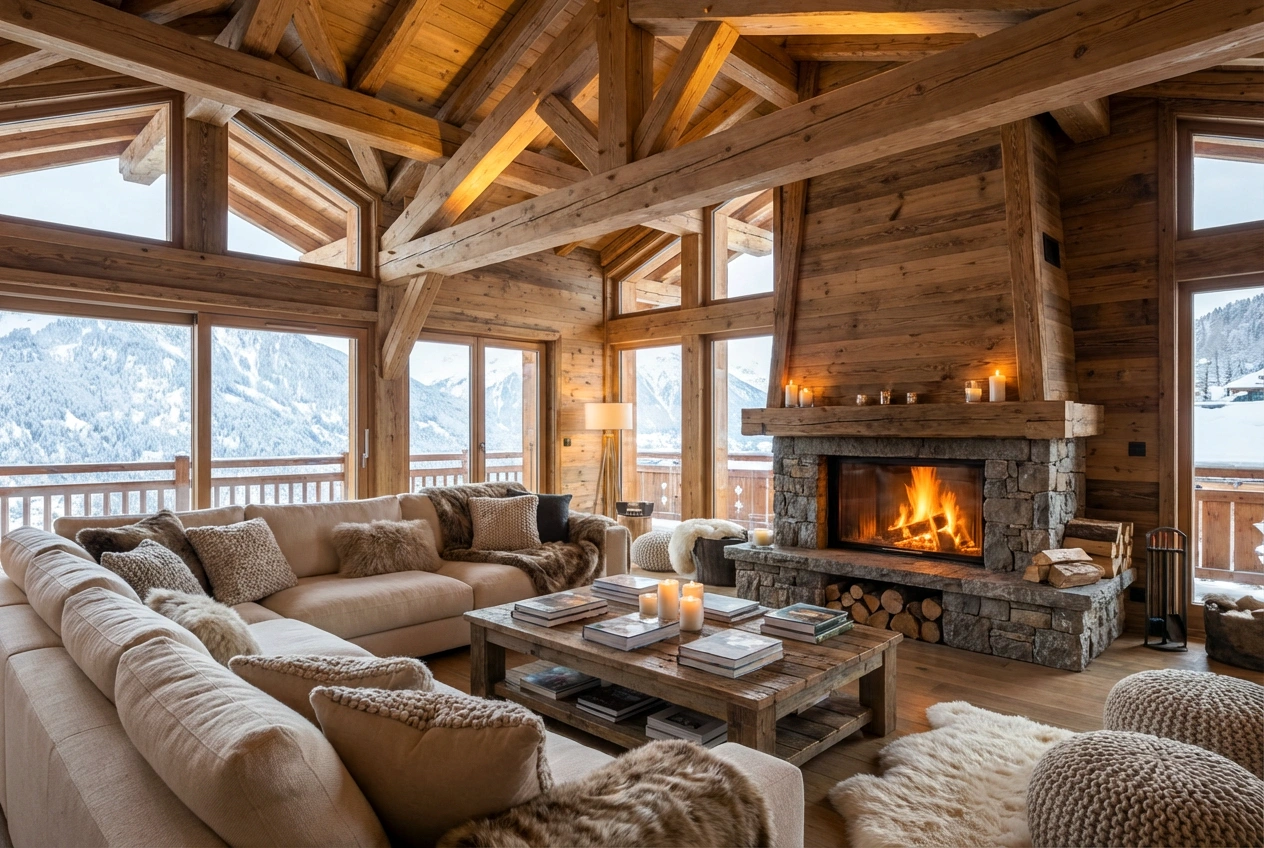
Modern Wooden Cabin in Winter: Explore 10 Stunning Mountain Cabin Interiors in Canada
Imagine the scene: snow gently falling outside a vast picture window, the crackle of a fire in a stone hearth, and the warm, inviting glow of wood-paneled walls. This is the quintessential allure of Canadian mountain cabin interiors, a design ethos that masterfully blends rugged charm with modern comfort. However, the contemporary interpretation of this style has evolved far beyond the stereotypical rustic lodge. Today’s modern wooden cabin is a sanctuary of sophisticated simplicity, where clean lines meet natural textures to create spaces that are both breathtakingly beautiful and profoundly peaceful. This design philosophy isn’t just about aesthetics; it’s about crafting a home that feels like a retreat, a place to disconnect and recharge amidst the beauty of nature. Whether you live in a downtown condo, a suburban home, or your own countryside escape, the principles of modern cabin decor can transform your space into a cozy, grounded, and stylish haven. Let’s explore how to capture this transformative magic.
Introduction to Modern Wooden Cabin in Winter: Explore 10 Stunning Mountain Cabin Interiors in Canada
The modern mountain cabin aesthetic is a powerful design narrative that speaks to our innate desire for connection—connection to nature, to material authenticity, and to a sense of serene shelter. At its heart, this style reinterprets the traditional log cabin for contemporary living. It strips away the excessive ornamentation and dark, heavy tones often associated with rustic decor, instead favoring an airy, light-filled approach that highlights the inherent beauty of natural materials. Think expansive windows that frame snowy pines, sleek metal accents against reclaimed wood, and plush textiles in neutral palettes that mimic the winter landscape. This look is transformative because it directly impacts how a space feels; it’s inherently calming, grounding, and cozy. For homeowners, renters, and design enthusiasts alike, adopting elements of this style means creating an environment that reduces stress and promotes well-being. It’s a decor strategy that values quality over quantity, authenticity over trend, and atmosphere over ostentation. By exploring the stunning mountain cabin interiors found across Canada, we can distill the key elements that make this style so compelling and universally applicable.
Why Choose Modern Wooden Cabin in Winter: Explore 10 Stunning Mountain Cabin Interiors in Canada for Your Space
Choosing to infuse your home with modern cabin design principles is a decision that pays dividends in comfort, style, and emotional resonance. Firstly, this aesthetic is unparalleled in its ability to create warmth and coziness—a quality often referred to as hygge or koselig. The extensive use of wood, both in structure and furnishings, brings an organic warmth that synthetic materials cannot replicate. Secondly, it promotes visual harmony and balance. The color palette, typically drawn from nature (soft whites, warm grays, charcoal, and earthy browns), is inherently soothing and easy on the eyes, creating a cohesive and restful environment.
Furthermore, this style is exceptionally functional. The modern cabin ethos often incorporates smart storage solutions, multi-functional furniture, and open-plan living areas that maximize space and flow—a boon for small apartments or family homes. It stands out because it is timeless. While trends come and go, the honest beauty of natural wood, stone, and wool never goes out of style. Your space won’t feel dated in a few years; instead, it will develop a richer, more lived-in character. For DIY enthusiasts and budget-conscious decorators, the style is also highly accessible. Many core elements, like layering textiles or incorporating natural branches as decor, can be achieved with creativity rather than a large budget. Ultimately, embracing the essence of these stunning mountain cabin interiors allows you to build a personal sanctuary that is both a refuge from the modern world and a beautiful expression of it.
Key Elements & Design Components
Essential Decor Items for Modern Wooden Cabin in Winter: Explore 10 Stunning Mountain Cabin Interiors in Canada
To authentically capture the modern cabin look, focus on a curated selection of items that prioritize natural materials, texture, and comfort.
- Architectural Wood: This is the non-negotiable foundation. Opt for shiplap, tongue-and-groove paneling, or exposed beams in light-toned woods like white pine, cedar, or hemlock. For a budget-friendly approach, consider a single accent wall.
- The Statement Hearth: A fireplace is the literal and figurative heart of the space. A modern, linear gas fireplace or a minimalist wood-burning stove surrounded by floor-to-ceiling stone or slate creates a powerful focal point.
- Natural Stone & Concrete: Introduce these elements through a fireplace surround, a kitchen island countertop, or flooring. They add cool, solid texture that beautifully contrasts with warm wood.
- Textural Textiles: Layering is key for coziness. Invest in a chunky knit throw, a sheepskin rug, linen or heavy cotton curtains, and wool blankets. These add softness and visual depth.
- Organic-Feeling Furniture: Choose pieces with clean, simple lines but natural materials. A solid wood dining table, a leather sofa (in cognac or black), and armchairs with woven rattan or oak frames are perfect.
- Metallic Accents: Introduce warmth and modernity with matte black, brushed brass, or iron. Look for lighting fixtures, cabinet hardware, and fireplace tools in these finishes.
- Artisanal Lighting: Avoid cold, clinical lighting. Instead, opt for woven pendant lights, ceramic table lamps, or sculptural floor lamps that cast a warm, ambient glow.
- Nature-Inspired Decor: Accessorize with items that feel collected, not bought. This includes a vase of dried branches, a collection of smooth river stones, wool felted balls, black-and-white landscape photography, or vintage ski equipment.
Style Variations & Budget-Friendly Alternatives
Not every home has vaulted ceilings or a stone fireplace. Fortunately, the cabin aesthetic is highly adaptable.
* For Small Spaces/Rentals: Use removable peel-and-stick wood wall planks to create an accent wall. Choose a sofa with clean lines and add coziness with textiles. A large, framed photograph of a forest can create an instant “window” to nature. Opt for a slim, electric fireplace insert.
* Budget-Friendly Swaps: Instead of hardwood floors, use a high-quality laminate with a realistic wood grain. Find vintage wool blankets at thrift stores. Use DIY concrete to make small side tables or planters. Source interesting branches and logs from outdoors (properly treated) for free decor.
* Regional Variations: While we focus on the Canadian winter look, you can adapt the palette. For a Pacific Northwest twist, incorporate more deep greens and navy. A Scandinavian-inspired cabin might use even lighter woods and more white.
How to Achieve the Look: Step-by-Step Styling Guide
Follow this actionable guide to build your modern cabin-inspired space from the ground up.
Step 1: Establish Your Neutral, Nature-Drawn Foundation
Begin by selecting your core color palette. Look to a winter landscape for inspiration: the white of snow, the gray of stone, the warm brown of tree bark, and the stark black of bare branches. Paint your walls in a soft white or warm gray. This light backdrop will make wood tones pop and make the space feel larger and airier, a crucial tip for smaller rooms.
Step 2: Introduce the Wood Element
Incorporate wood as your primary texture. If you can’t install wood paneling, start with furniture. A reclaimed wood coffee table, oak shelving units, or even a large mirror with a raw wood frame will instantly set the tone. The goal is to have wood present in multiple forms to create a layered, authentic feel.
Step 3: Build Your Functional Furniture Layout
Arrange your key furniture pieces to foster conversation and focus on the room’s best feature (like a window or fireplace). In a living room, float your sofa to face the fireplace or the view. Use a large, textured area rug to define the seating area. Ensure pathways are clear to maintain the sense of open, effortless flow characteristic of mountain cabin interiors.
Step 4: Layer in Texture for Maximum Coziness
This is where the space becomes inviting. Layer a jute or wool area rug over your flooring. Drape a chunky knit blanket over your sofa. Add linen or cotton curtains in a neutral color. Place a sheepskin rug over an armchair or beside the bed. Each layer adds visual interest and tactile comfort.
Step 5: Illuminate with Warm, Layered Lighting
Overhead lighting alone will kill the cozy vibe. Implement a three-layer lighting strategy: ambient (overhead or recessed on a dimmer), task (reading lamps, under-cabinet lights), and accent (picture lights, small table lamps). Choose fixtures with natural materials like paper, woven fiber, or black metal.
Step 6: Accessorize with Intention and Nature
Finally, add personality with carefully chosen accessories. Avoid clutter. Style shelves with a mix of books, a ceramic vase, and a piece of driftwood. Hang simple, framed botanical prints or landscape art. Use trays made of slate or wood to corral items on your coffee table. The finishing touch should always be something living or once-living, like a potted evergreen or a bowl of pinecones.
Elevating the Look: Advanced Styling Tips
Once your foundation is set, these advanced tips will add sophistication and polish.
* Play with Scale: Incorporate one or two oversized elements, like a large-scale abstract painting or an enormous floor lamp, to create drama and prevent the space from feeling too “cottage-core.”
* Curate a Gallery Wall: Create a gallery wall using a mix of black-and-white photographs, small woven tapestries, and simple line drawings, all in complementary wood or black frames.
* Focus on the Fifth Wall: Don’t forget the ceiling. Painting it a slightly darker shade than the walls (like a soft charcoal) or adding dark-stained beams can make the room feel more intimate and cocoon-like.
* Incorporate Reflective Surfaces: Use mirrors strategically to bounce light around the room. A large, leaning floor mirror with a simple wood frame can make a small space feel larger and brighter.
* Seasonal Updates: Adopt a “less is more” approach for seasonal decor. In winter, add more fur throws and candlelight. In summer, switch to lighter linen textiles and add greenery from potted ferns or eucalyptus branches.
Maintenance & Care: Keeping Your Space Fresh
The beauty of natural materials is that they age gracefully, but they do require specific care to last.
* Wood Surfaces: Dust regularly with a microfiber cloth. For cleaning, use a damp cloth with a mild soap specifically designed for wood. Avoid harsh chemicals. Re-oil or re-wax butcher block counters and untreated wood furniture as needed.
* Stone & Concrete: Seal these surfaces upon installation (and re-seal annually for high-use areas like kitchen counters). Clean spills immediately to prevent staining. Use a pH-neutral cleaner for routine cleaning.
* Textiles: Follow care labels meticulously. Air out wool blankets and sheepskins regularly. Most chunky knits and linens will benefit from gentle hand washing or dry cleaning to maintain their texture and shape.
* Refreshing the Decor: To keep your mountain cabin interior feeling current, you don’t need to overhaul it. Simply swap out a few key textiles (pillow covers, a throw blanket) for a new color or texture each season. Rotate your art and decorative objects from other rooms in your home to create a new perspective.
FAQs: Frequently Asked Questions About Modern Wooden Cabin in Winter: Explore 10 Stunning Mountain Cabin Interiors in Canada
Q: Can I achieve this look in a small, dark apartment without any architectural features?
A: Absolutely. Focus on paint and mirrors first. Use a light, reflective paint color. Incorporate wood through furniture and accessories like a rattan chair or wood-framed mirror. Use layered lighting (floor lamps, table lamps) to create pools of warm light, and choose a low-pile, light-colored rug to brighten the floor. A large nature photograph can create depth and the feeling of a view.
Q: I love the look but worry it will feel too “masculine” or dark. How can I soften it?
A: The key is in your textile and accessory choices. Introduce softness with plush, ivory-colored sheepskin rugs, creamy linen curtains, and throw pillows in textured fabrics like velvet or cable knit. Incorporate curved lines in furniture (a round coffee table, an oval mirror) and add delicate touches like a trailing pothos plant or a collection of clear glass vases.
Q: What are the best wood tones to use for a modern, not rustic, feel?
A: Stick to light, warm, or grayed-out woods. White oak, ash, light maple, and white-washed or lime-washed pine are excellent choices. Avoid woods with strong orange or red undertones (like some cherries or mahoganies) unless used as a very small accent.
Q: How can I incorporate color without breaking the serene neutral palette?
A: Use color as a rare accent, much like a single wildflower in a field of snow. Deep, muted tones drawn from nature work best: a forest green velvet pillow, a navy wool blanket, or ceramic decor in a rusty terracotta. Keep it to one or two items per room.
Q: Is this style practical for homes with young children or pets?
A: Yes, but with smart material choices. Opt for performance fabrics on upholstery (many now look like linen or wool but are stain-resistant). Choose a durable, washable wool-blend area rug. Use indoor/outdoor fabrics for pillows. Keep delicate decor items up high on shelves, and remember that a slightly worn-in leather sofa only adds to the character of a cozy mountain cabin interior.