
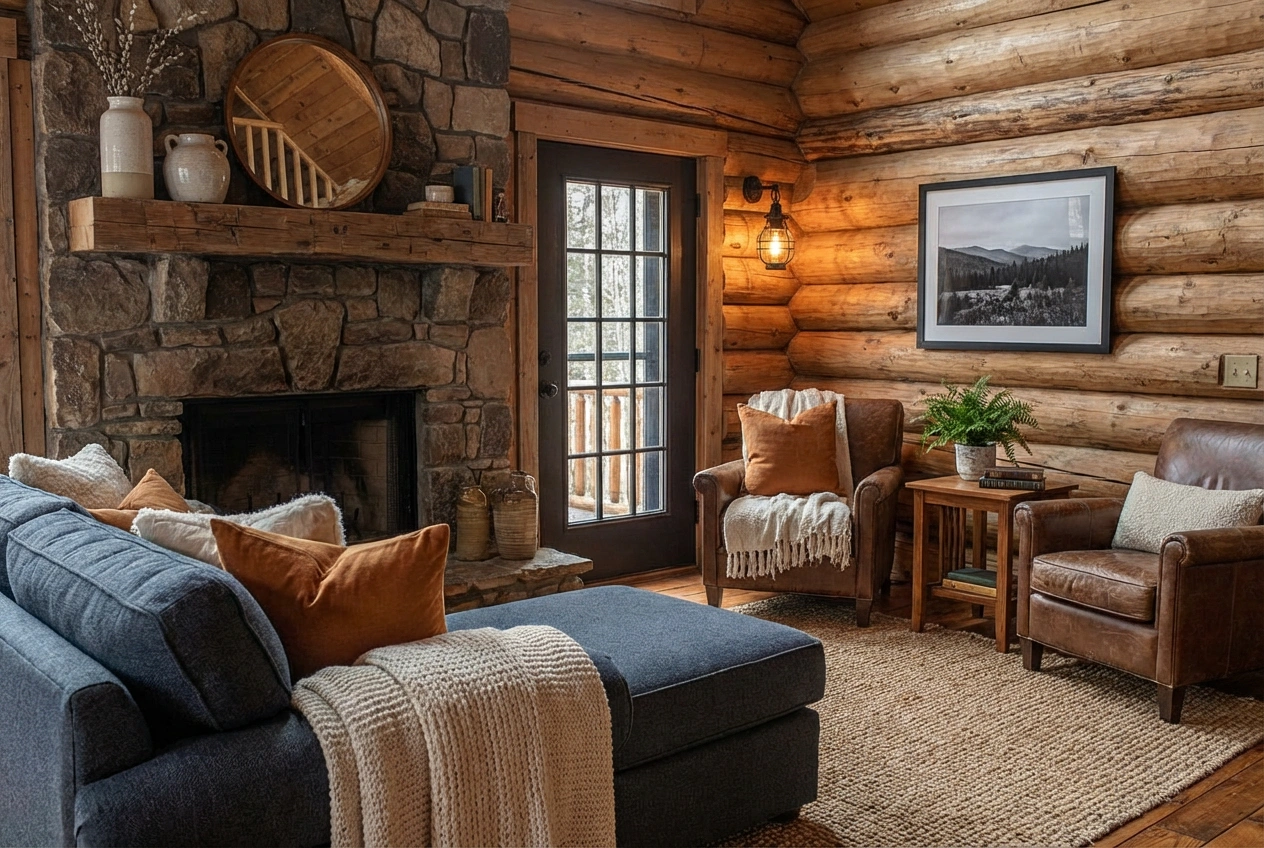
Explore Creative Cabin Interiors Decorating Ideas for Cozy and Inviting Spaces
Introduction to Explore Creative Cabin Interiors Decorating Ideas for Cozy and Inviting Spaces
Imagine a space where the crackle of a fire greets you, plush blankets beckon, and the scent of pine lingers in the air. This is the heart of cabin living—a timeless aesthetic that masterfully blends rustic charm with soul-soothing comfort. More than just a design style, it’s a feeling of sanctuary, a retreat from the modern world’s hustle. Whether you own a secluded woodland lodge, a suburban home, or a city apartment, you can capture this magical essence. The key lies in embracing creative cabin interiors decorating ideas that prioritize warmth, texture, and a deep connection to nature. This design philosophy isn’t about strict rules; instead, it’s about crafting a personal haven that feels both rugged and refined. By integrating natural materials, a warm color story, and layers of tactile comfort, you can transform any room into a cozy and inviting escape. Ultimately, this guide will walk you through the essential elements and styling secrets to achieve this coveted look, proving that rustic elegance is accessible to everyone, everywhere.
Why Choose Cabin Decor for Your Space
Choosing a cabin-inspired decor scheme is a transformative decision that goes beyond mere aesthetics; it’s an investment in your well-being. This style is profoundly effective because it directly addresses our innate desire for comfort, security, and a connection to the natural world. In an era of digital overload and sterile minimalism, a cabin interior offers a tactile, grounding antidote. The focus on organic materials like wood and stone creates visual harmony and a sense of permanence, while the layered textiles and soft lighting cultivate an atmosphere of unparalleled coziness.
Furthermore, this approach is incredibly versatile and functional. For instance, open shelving and multi-purpose furniture, hallmarks of rustic design, promote clever space maximization—a boon for small homes or apartments. The color palette, drawn from earth and forest, is inherently calming and can make spaces feel more intimate and enveloping. Unlike fleeting trends, the cabin aesthetic possesses a timeless quality; it stands out for its authenticity and emotional resonance. It tells a story of craftsmanship, history, and simple pleasures. Whether you’re a homeowner seeking a permanent retreat, a renter wanting a temporary sanctuary, or a DIY enthusiast eager for hands-on projects, these rustic cabin decorating concepts provide a framework that is both beautiful and deeply personal, ensuring your space is not just seen, but truly felt.
Key Elements & Design Components
Essential Decor Items for a Cozy Cabin Aesthetic
Achieving the perfect cabin look hinges on curating a collection of key items that work in harmony. Here’s a detailed list of essentials:
- Furniture: The Foundational Bones: Opt for pieces crafted from solid wood—think oak, pine, or reclaimed barnwood—with visible grain and character. A substantial log bed frame, a chunky farmhouse dining table, or a leather armchair that develops a rich patina over time are iconic choices. Look for simple, sturdy silhouettes that emphasize craftsmanship over ornamentation.
- Textiles: The Layers of Comfort: This is where coziness is built. Start with a durable, natural-fiber rug like jute or wool. Then, layer in throw blankets in cable-knit, faux fur, or heavy wool. Finally, add pillows in a mix of textures: linen, chunky knit, and leather. These elements introduce softness, color, and warmth.
- Color Palette: Nature’s Inspiration: Your color story should echo the outdoors. Use deep greens, rich browns, warm grays, and creamy whites as your base. Then, incorporate accents of navy, burgundy, or mustard for depth. The goal is to create a soothing, enveloping environment.
- Lighting: Setting the Mood: Avoid harsh overhead lights. Instead, use a combination of sources: wrought-iron or antler chandeliers, table lamps with burlap or metal shades, and an abundance of candles or lanterns. Warm, amber-toned bulbs are essential for creating that golden, inviting glow.
- Accessories & Art: Personal Touches: Decorate with items that feel collected and meaningful. This includes vintage skis or snowshoes mounted on the wall, framed botanical prints, a collection of stoneware pottery, and stacks of well-loved books. Incorporate natural elements like a bowl of pinecones, a vase of dried branches, or antler sheds.
Budget-Friendly vs. Splurge Options:
* Splurge: A custom-made live-edge slab dining table, a genuine cowhide rug, or a high-quality leather sofa.
* Save: Seek out solid wood furniture at thrift stores or online marketplaces and refinish it. Use flannel sheets or affordable fleece throws for texture. Create your own art with pressed leaves or framed topographic maps.
Style Variations & Budget-Friendly Alternatives
The beauty of mountain home interior design is its adaptability. You can tailor it to your space and budget with clever alternatives.
- For Modern or Small Spaces (The “Modern Cabin”): Blend rustic elements with clean lines. Use a neutral wood tone on one accent wall instead of everywhere. Choose a sleek, low-profile sofa and add rustic texture with a chunky knit blanket and a single statement piece, like a rustic coffee table. This prevents the look from feeling too heavy or dark in a compact area.
- For Renters: You can achieve the vibe without permanent changes. Use removable peel-and-stick “wood plank” wallpaper on a focal wall. Layer large, area rugs to cover existing flooring. Choose freestanding furniture like a bookshelf or a wardrobe in a rustic style. Your textiles and lighting will do most of the heavy lifting.
- Budget-Conscious Swaps: Instead of real stone, use a stone-veneer panel for a fireplace surround. Opt for laminate flooring with a realistic wood-look finish. Use cotton or polyester “fur” throws instead of sheepskin. DIY your own rustic signs or wall art using scrap wood and stencils.
How to Achieve the Look: Step-by-Step Styling Guide
Follow this actionable guide to systematically build your cozy cabin retreat.
Step 1: Establish Your Natural Color Palette
Begin by selecting your foundational colors. Choose two or three neutral tones from nature: a warm white for walls (like “cream” or “linen”), a deep brown or gray for larger furniture pieces, and a rich green or navy for an accent. Paint swatches on the wall to see them in your light. This palette will create a cohesive, calming backdrop for all other elements.
Step 2: Anchor the Room with Rustic Furniture
Place your largest, most statement-making piece first—often the sofa or bed. Position it to face the room’s best feature, like a fireplace or a window with a view. Then, arrange secondary pieces like armchairs and a coffee table to facilitate conversation and flow. Ensure there’s a clear, comfortable pathway through the space. In a bedroom, the bed is the anchor; in a dining room, it’s the table.
Step 3: Layer Textiles for Depth and Warmth
This is the most crucial step for coziness. Start with a large area rug. Then, drape throws casually over sofas and chairs. Finally, arrange an odd number of pillows (3 or 5) on seating areas, mixing sizes and textures. In the bedroom, use a quilt or heavyweight duvet as your base, and add a knit blanket at the foot of the bed.
Step 4: Implement Warm, Layered Lighting
Eliminate reliance on a single ceiling light. Install dimmers wherever possible. Place a floor lamp next to a reading chair, use table lamps on nightstands and side tables, and incorporate candle clusters (real or battery-operated LED) on mantels and coffee tables. This creates pools of light that make the space feel intimate and dynamic.
Step 5: Accessorize with Meaningful Collections
Avoid clutter by styling in groups. Create a vignette on your coffee table with a stack of books, a small tray, and a natural object. Style open shelves with a mix of books, pottery, and a plant. Hang art in a gallery wall arrangement or use one large statement piece above the fireplace. Every item should feel intentional and personal.
Step 6: Incorporate Organic Elements
Bring the outside in. Place a potted fern in a woven basket, fill a wooden bowl with seasonal finds (pinecones in winter, smooth stones in summer), or display a beautiful piece of driftwood. These elements add life, texture, and an authentic connection to the natural world that is central to cozy lodge decor inspiration.
Elevating the Look: Advanced Styling Tips
Once your foundation is set, these advanced tips will add polish and personality to your rustic retreat styling.
- Play with Scale and Contrast: Introduce one or two modern or industrial elements to prevent the space from feeling like a theme park. A sleek metal floor lamp next to a rustic leather chair, or a contemporary abstract painting in a room of wood paneling, creates fascinating tension and keeps the look fresh.
- Focus on the Fifth Wall: Don’t neglect the ceiling. Exposed wood beams are ideal, but you can also use beadboard paneling or even paint the ceiling a deep, moody color to make the space feel more intimate and cocoon-like.
- Curate a Scent Experience: Engage all the senses. Use essential oil diffusers or candles with scents like cedarwood, sandalwood, bergamot, or crackling firewood to authentically enhance the cabin atmosphere.
- Embrace Imperfection: The charm of this style lies in its wabi-sabi acceptance of wear and tear. A slightly worn leather chair, a quilt with a gentle fade, or furniture with visible tool marks adds history and soul. Avoid anything that looks too perfect or mass-produced.
- Create a Focal Point: Every room needs a visual anchor. This could be a stone fireplace, a large picture window framing a view, or an impressive piece of vintage furniture. Arrange your seating and lighting to highlight this feature.
Maintenance & Care: Keeping Your Space Fresh
Maintaining your cabin-inspired interior ensures it stays inviting for years to come. For wood furniture, dust regularly with a soft cloth and use a quality wood polish or beeswax conditioner every few months to nourish the wood and enhance its patina. Leather furniture should be vacuumed and conditioned with a dedicated leather cream to prevent drying and cracking.
Textiles are key to coziness, so care for them diligently. Shake out rugs outdoors frequently and have them professionally cleaned annually. Most throws and decorative pillows will have care labels; many can be machine-washed on a gentle cycle. Fluff pillows and rotate cushions regularly to ensure even wear. To keep the space feeling fresh, consider seasonal updates: swap heavier wool blankets for lighter linen ones in summer, or change out accent pillow covers and natural decor (like switching pinecones for a vase of fresh wildflowers). A well-maintained cabin interior only grows more characterful and comfortable over time.
FAQs: Frequently Asked Questions About Cabin Interiors Decorating Ideas
Q: Can I achieve a cabin look in a small apartment without it feeling dark and closed in?
A: Absolutely! The key is moderation. Use light-colored wood tones or white-washed finishes on furniture. Paint your walls a warm, creamy white to reflect light. Choose one or two key rustic elements (like a log side table or a sheepskin rug) and keep other pieces more streamlined. Plenty of layered lighting will also keep the space feeling bright and airy.
Q: I love the style but have a limited budget. Where should I start?
A: Focus on the highest-impact, lowest-cost elements first: textiles and lighting. Investing in a few great throws, textured pillows, and warm-glow lamps will instantly transform the feel of a room. Next, scour second-hand stores for solid wood furniture you can refinish. DIY projects, like making your own rustic wall art or sanding and staining a side table, are also fantastic budget-friendly options.
Q: How do I mix cabin decor with my existing modern furniture?
A: This can create a wonderfully balanced “modern rustic” look. Use your modern sofa as a neutral base. Then, layer in rustic textures through a chunky knit blanket, a cowhide rug, and wooden accent tables. Incorporate natural materials like a live-edge wood shelf or stone bookends. The contrast between clean lines and organic texture is very effective.
Q: What are the best colors for a cabin bedroom to make it cozy?
A: For a supremely cozy bedroom, lean into deep, enveloping colors. Rich navy, forest green, charcoal gray, or even a deep chocolate brown on the walls can create a serene, cocoon-like effect. Balance these with crisp white linens and warm wood tones on the floor and furniture. Soft, ambient lighting is the final essential ingredient.
Q: How can I make my cabin-style living room feel more updated and less dated?
A: To modernize the look, edit out any overly kitschy items (like cartoon bear motifs). Introduce contemporary materials, such as a black metal light fixture, concrete planters, or geometric-patterned pillows in your rustic color palette. Ensure there is a mix of clean, simple lines alongside the more rugged pieces. Finally, keep surfaces uncluttered and styled thoughtfully.