
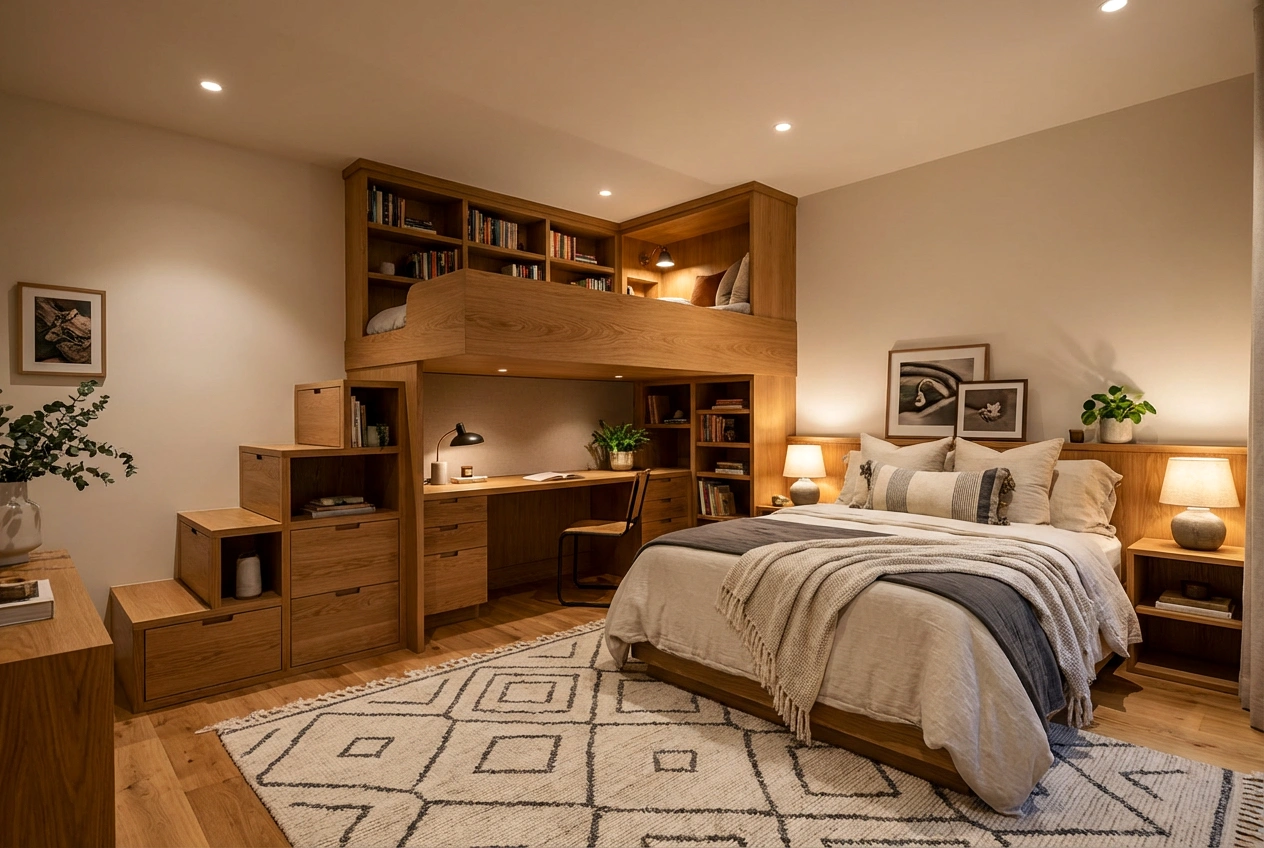
Creative Loft Room Ideas: Transform Your Space with These Inspiring Design Tips
Introduction to Creative Loft Room Ideas: Transform Your Space with These Inspiring Design Tips
Imagine a space that feels both expansive and intimate, a sanctuary that blends raw architectural character with curated personal style. This is the magic of a well-designed loft room. Often defined by high ceilings, open floor plans, and abundant natural light, loft spaces present a unique canvas for creativity. However, their very openness can also pose a design challenge: how to create defined, functional, and cozy areas without sacrificing that coveted airy feel. The key lies in embracing the industrial bones while softening them with thoughtful decor. This guide is dedicated to unlocking the potential of your lofty area, offering a wealth of loft room ideas to inspire a transformation that is uniquely yours. Whether you’re working with a converted attic, a modern apartment with double-height ceilings, or simply a room you wish to infuse with loft-like charm, these principles will guide you. We’ll explore how to balance texture, scale, and light to craft a space that is not only aesthetically striking but also deeply comfortable and reflective of your personality. Ultimately, transforming a loft is about celebrating volume and light while intentionally crafting warmth and purpose within it.
Why Choose a Loft Aesthetic for Your Space
Embracing a loft-inspired design is about more than just following a trend; it’s a strategic and stylistic choice that offers profound benefits for modern living. Firstly, this approach is a masterclass in space maximization. The open-concept nature encourages a fluid layout, allowing zones for sleeping, working, and relaxing to coexist harmoniously without the confinement of walls. This is especially valuable in smaller homes or studios, where every square foot counts. Furthermore, the characteristic elements of loft design—like exposed brick, ductwork, and beams—add irreplaceable texture and historical narrative, providing a stunning backdrop that requires minimal decorative effort.
Secondly, loft room concepts are inherently adaptable and personal. The neutral, often industrial base acts as a perfect canvas, allowing your furniture, art, and collections to take center stage. You can pivot from a minimalist, Scandinavian-inspired look to a bohemian, eclectic vibe without needing to renovate. This flexibility makes it a fantastic long-term design strategy. Moreover, the emphasis on large windows and open space has a significant emotional impact, promoting feelings of freedom, creativity, and calm. The influx of natural light boosts mood and makes the area feel larger and more connected to the outside world. In essence, choosing a loft style means choosing a home that feels both inspiring and authentically yours, a space that perfectly blends form with function.
Key Elements & Design Components
Essential Decor Items for a Loft-Inspired Room
To authentically capture the loft aesthetic, certain design components are non-negotiable. These items work together to create that perfect balance of raw and refined.
- Statement Lighting: Lighting is jewelry for a loft. Opt for oversized pendants, industrial cage sconces, or a sculptural floor lamp to draw the eye upward and emphasize the high ceilings. Edison bulbs are a classic choice for adding warm, ambient glow.
- Open and Airy Furniture: Choose furniture that maintains visual flow. Sofas and beds with raised legs, glass-top tables, and open shelving units (like ladder shelves or metal racks) prevent the space from feeling heavy or cluttered.
- Textural Textiles: Soften the hard industrial edges with layers of texture. Think chunky knit throws, faux sheepskin rugs, linen curtains, and velvet cushion covers. A large, plush area rug is essential for defining a seating or sleeping zone and adding warmth underfoot.
- Raw Materials: Celebrate a mix of materials. Combine the coolness of metal (in lighting frames or furniture legs) with the warmth of reclaimed wood (for tables or shelves) and the softness of leather (on a chair or ottoman). Exposed brick or concrete-look walls are hallmarks of the style.
- Strategic Storage: Since lofts often lack closets, creative storage is key. Use vintage trunks, large woven baskets, and stylish freestanding wardrobes to conceal belongings while adding to the decor.
Style Variations & Budget-Friendly Alternatives
The beauty of loft bedroom ideas and living spaces is their versatility. You can tailor the core concepts to suit your preferred style and budget.
- Modern Minimalist: Stick to a monochromatic or neutral palette (whites, grays, blacks). Use sleek, low-profile furniture and incorporate geometric shapes. Keep decor minimal and functional. Budget Tip: Use modular IKEA shelving units and paint them a uniform color for a custom, built-in look.
- Rustic Industrial: Amp up the warmth with more reclaimed wood, worn leather, and iron details. Incorporate botanical elements like a large fiddle-leaf fig tree or dried pampas grass. Budget Tip: Search local salvage yards for old wood to create a floating shelf or headboard.
- Bohemian Loft: Introduce pattern and global influences. Layer Persian or kilim rugs, use macramé wall hangings, and mix in plenty of indoor plants. This style embraces a “more is more” philosophy within the open structure. Budget Tip: Shop thrift stores for unique textiles and art to create a collected-over-time feel.
- Rental-Friendly Adaptations: Can’t paint or expose bricks? Use removable wallpaper with a brick or concrete print. Define zones with large rugs and room dividers like open bookshelves or hanging plants. Use plug-in sconces and statement floor lamps instead of hardwired fixtures.
How to Achieve the Look: Step-by-Step Styling Guide
Transforming your space into a loft-inspired haven is a systematic process. Follow these steps to build your look from the ground up.
Step 1: Define Your Zones
First, analyze your open space and define its purposes. Is it a bedroom, a home office, a lounge area, or all three? Use area rugs to anchor each functional zone physically. For example, place a large rug under your bed to define the sleeping area and a separate one under your sofa for the living space. The visual boundaries created by rugs help organize the open plan intuitively.
Step 2: Establish a Cohesive Color Palette
Loft spaces thrive on a foundation of neutral, earthy tones. Start with a base of whites, grays, beiges, or soft blacks on your walls and major furniture pieces. This creates a serene, expansive backdrop. Then, introduce one or two accent colors through decor—perhaps a deep navy, terracotta, or forest green in your textiles and artwork. This restrained palette ensures the space feels unified, not chaotic.
Step 3: Select and Place Key Furniture Pieces
Choose your main furniture items with scale in mind. A spacious sectional can fill a large living zone beautifully, while a platform bed with a simple frame suits a sleeping area. Importantly, avoid pushing all furniture against the walls. Float your sofa in the middle of a rug to encourage conversation, and use a console table behind it as a visual divider and landing space.
Step 4: Layer in Texture and Materials
This is where the space comes to life. Layer a jute or sisal rug over a larger neutral one for depth. Drape a chunky throw over your sofa and pile on cushions in different fabrics—linen, wool, velvet. Incorporate wood through side tables, metal in lighting, and perhaps a leather armchair. Each material adds a layer of sensory interest.
Step 5: Install Dynamic, Layered Lighting
Overhead lighting alone will feel cold. Create a lighting plan with three layers: ambient (overhead/pendants), task (floor lamps by reading chairs, desk lamps), and accent (picture lights, string lights, candles). Use dimmers wherever possible to control the mood from bright and energetic to soft and cozy in the evening.
Step 6: Curate Vertical Space and Art
Don’t neglect your walls. Large-scale art or a gallery wall can add personality without clutter. Use tall bookcases or floating shelves that draw the eye upward, making use of the vertical volume. Hanging plants from the ceiling or placing a tall tree in a corner also helps to fill the vertical space gracefully.
Step 7: Add Personal, Meaningful Accents
Finally, infuse the space with you. Display your favorite books, travel souvenirs, or family photos. The industrial loft framework is meant to be a gallery for your life. A few well-chosen, personal items prevent the space from feeling like a sterile showroom and instead make it feel like home.
Elevating the Look: Advanced Styling Tips
Once the foundation is set, these advanced tips will polish your loft design ideas to perfection.
- Play with Scale: Intentionally introduce one or two dramatically oversized items—a massive abstract painting, an enormous floor mirror, or a super-sized floor lamp. This plays with the proportions of the room in a dynamic, artistic way.
- Reflect Light: Strategically place mirrors to bounce natural light deeper into the space. A large mirror on a wall opposite a window is a classic trick. Consider a leaning full-length mirror for an effortless, sculptural effect.
- Incorporate Organic Shapes: Balance the hard lines of industrial elements with curves. A round coffee table, an oval mirror, or a sinuous floor lamp can soften the geometry of the room and make it feel more inviting.
- Create a Focal Point: Every zone should have a visual anchor. In the living area, it might be a striking piece of art above the sofa or a unique fireplace. In the bedroom, it could be an elaborate headboard or a stunning light fixture. This gives the eye a place to rest and adds intention to the design.
- Embrace “Controlled Clutter”: While minimalism works, a slightly curated, collected look can add warmth. Style your open shelves with a mix of books, objects, and plants, using the rule of thirds for visual balance.
Maintenance & Care: Keeping Your Loft Space Fresh
The open nature of a loft means dust and debris can be more visible. A consistent, simple routine will keep your sanctuary looking its best. For exposed brick or concrete walls, dust regularly with a soft brush attachment on your vacuum. Textile layers like throws and cushion covers should be machine-washed seasonally. For large area rugs, regular vacuuming and an annual professional clean are recommended. To keep the space feeling fresh, periodically edit your decor. Switch out cushion covers with the seasons, rotate artwork, or introduce a new plant. This prevents stagnation and allows your creative loft room to evolve naturally with your tastes. Finally, maintain the airy feel by being ruthless about clutter. Utilize those beautiful baskets and storage trunks to taway everyday items, preserving the clean, open sightlines that define the aesthetic.
FAQs: Frequently Asked Questions About Loft Room Ideas
Q: How can I make my loft bedroom feel cozy and not like a warehouse?
A: The key is contrast. Layer soft, plush textiles (rugs, blankets, pillows) extensively. Incorporate warm wood tones and ambient lighting with multiple lamps and dimmers. Canopy beds or hanging fabric can also create a more intimate, enclosed feeling within the open space.
Q: I have low ceilings, not high ones. Can I still use loft design ideas?
A: Absolutely! Focus on the other principles: open furniture (sofas with legs), a cohesive neutral color palette, strategic lighting (use uplights to bounce light off the ceiling), and minimalist decor. Avoid heavy overhead fixtures and opt for lighting at eye level to create the illusion of height.
Q: What’s the best color for loft walls?
A: White or very light gray is most traditional as it maximizes light and enhances the sense of space. However, don’t be afraid to use a dark, moody color on one accent wall or in a cozy nook to create depth and drama, especially in a large loft.
Q: How do I handle a lack of storage in a loft room?
A: Get creative with multi-functional furniture: storage beds, ottomans with hidden compartments, and coffee tables with drawers. Use vertical space with tall, slim cabinets and open shelving. Most importantly, decorative baskets and trunks are both stylish and practical for stashing items.
Q: Are loft rooms expensive to decorate?
A: They can be, but they don’t have to be. The architectural elements (brick, beams) provide free character. You can save by sourcing vintage or industrial pieces from flea markets, using pipe and wood to DIY shelving, and investing in a few key, high-impact items (like a great light fixture) while saving on basics.