
Transform Your Space: Home Aesthetic DIY Ideas for a Stylish and Cozy Atmosphere
Introduction to Transform Your Space: Home Aesthetic DIY Ideas for a Stylish and Cozy Atmosphere
Imagine stepping into a home that feels like a warm embrace—a space that is not only visually stunning but also radiates comfort and personal charm. This is the power of a well-curated home aesthetic, and the most rewarding path to achieving it is through your own creativity. Home aesthetic DIY projects offer a unique opportunity to infuse your personality into every corner, transforming generic rooms into deeply personal sanctuaries. This approach to decor is about more than just saving money; it’s about crafting an environment that tells your story and nurtures your well-being. Whether you’re drawn to the clean lines of modern minimalism, the earthy warmth of rustic charm, or the eclectic mix of boho style, the DIY route allows you to tailor each element to your exact taste. Consequently, this guide is designed to inspire and equip you with practical, beautiful ideas to create a stylish and cozy atmosphere. We’ll explore how hands-on crafting and clever upcycling can build a space that feels both curated and comforting, proving that a beautiful home doesn’t require a massive budget—just a bit of imagination and effort.
Why Choose DIY Home Aesthetic Projects for Your Space
Embarking on a home decor DIY journey is a transformative choice for numerous compelling reasons. Firstly, it places you firmly in the creative driver’s seat. Instead of settling for mass-produced items, you create or customize pieces that reflect your unique style and story. This personal touch fosters a deeper emotional connection to your space, making it truly feel like yours. Furthermore, DIY is inherently budget-friendly. By repurposing old furniture, shopping second-hand, and using affordable materials, you can achieve a high-end look for a fraction of the cost. This is especially empowering for renters, who can make significant visual impacts with temporary, non-damaging changes.
Moreover, a DIY-centric approach champions sustainability. Upcycling and mindful crafting reduce waste and often utilize natural, non-toxic materials, contributing to a healthier home environment. The process itself is also incredibly rewarding; there’s a profound sense of accomplishment and pride that comes from lounging on a sofa you reupholstered or admiring a wall hanging you wove yourself. Ultimately, focusing on a cozy and stylish atmosphere through aesthetic DIY means prioritizing comfort and visual harmony. You control the texture, the light, and the layout to maximize both function and feeling, creating a haven that is as practical as it is peaceful. This hands-on method doesn’t just decorate a room—it builds a home.
Key Elements & Design Components
Essential Decor Items for a Cozy DIY Aesthetic
To build your stylish and cozy sanctuary, certain elements act as the foundation. Here’s a detailed list of essentials you can craft, find, or upcycle:
- Textiles for Layering: This is the heart of coziness. Think chunky knit throw blankets, faux fur or wool rugs, and an abundance of pillows in various textures (velvet, linen, cable knit). Curtains in a light, airy fabric soften windows and diffuse light beautifully.
- Warm, Ambient Lighting: Harsh overhead lights are the enemy of atmosphere. Instead, focus on layered lighting. Essential items include table lamps with fabric shades, string lights (fairy or Edison bulb styles), and flameless candles or diffusers with a warm glow.
- Natural Elements & Organic Textures: Incorporate wood (in furniture, frames, or decorative bowls), woven materials (rattan, seagrass, jute in baskets or light fixtures), stone, and plenty of indoor plants. These elements ground the space and add life.
- A Neutral & Earthy Color Palette: Start with a base of warm whites, soft beiges, gentle greys, and muted greens. These colors create a calm, cohesive backdrop that allows your textures and personal accents to shine.
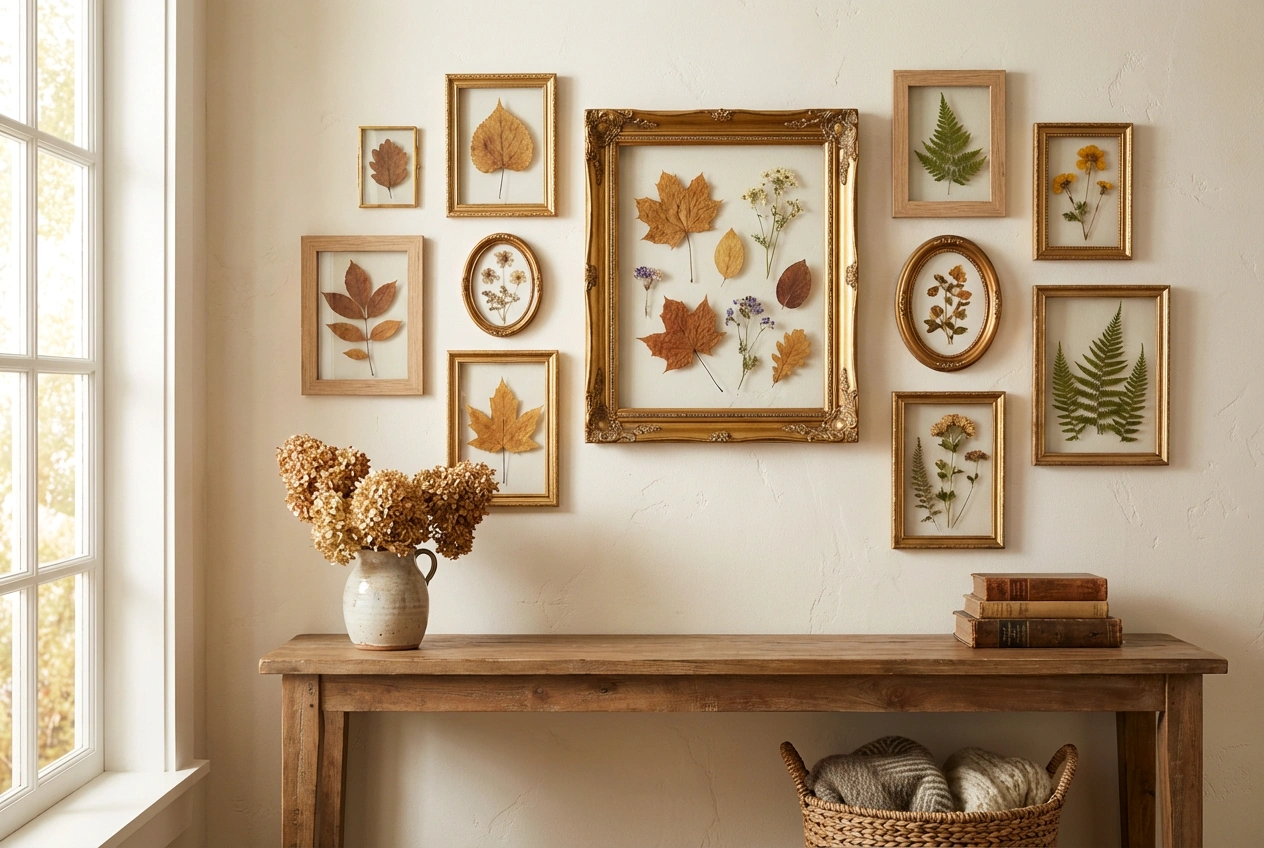
- Personal & Handmade Artwork: Avoid generic big-box store art. Create your own abstract canvas paintings, frame personal photographs, display pressed botanicals, or hang a macramé wall hanging. These pieces are conversation starters and soul-nourishers.
- Functional & Beautiful Storage: Clutter disrupts peace. Use decorative baskets, stylish open shelving with curated objects, or painted vintage crates to keep everyday items organized and aesthetically pleasing.
Style Variations & Budget-Friendly Alternatives
The beauty of a DIY home aesthetic is its adaptability. Here’s how to tailor the core elements to your space and budget:
- For Small Spaces/Renters: Use removable peel-and-stick wallpaper for an accent wall instead of paint. Opt for multi-functional furniture (e.g., an ottoman with storage). Use large mirrors to reflect light and create the illusion of space. Choose wall-mounted or floating shelves to keep floors clear.
- Budget-Friendly Swaps: Shop thrift stores and Facebook Marketplace for solid wood furniture to sand and paint. Create your own art using canvases, sample paint pots, and natural tools like leaves for printing. Use fabric remnants or old sweaters to sew pillow covers. For a rug, layer several smaller, inexpensive rag rugs together.
- Style Twists:
- Modern Cozy: Stick to a monochromatic palette (all whites/beiges) with sharp-lined furniture, but add coziness with one incredibly textured shag rug and a single, dramatic piece of organic art.
- Rustic Cozy: Incorporate more raw, reclaimed wood, black metal accents, and checkered or plaid textiles. DIY a headboard from old barn wood or create mason jar pendant lights.
- Boho Cozy: Embrace more color, pattern, and eclecticism. Mix and match pillows wildly, create a gallery wall of diverse art, and incorporate plenty of hanging planters and beaded or tasseled details.
How to Achieve the Look: Step-by-Step Styling Guide
Follow this actionable guide to methodically build your cozy and stylish DIY home aesthetic.
Step 1: Define Your Color Palette and Inspiration
Begin by gathering inspiration on platforms like Pinterest or Instagram. Save images that evoke the feeling you want. Next, identify 3-4 core colors from those images—typically a warm neutral base, an earthy accent (sage green, terracotta, ochre), and a deeper shade for grounding. Paint sample swatches on your wall to see them in your light. This palette will guide every subsequent choice, ensuring harmony.
Step 2: Plan Your Layout for Flow and Function
Before bringing in a single item, consider the room’s flow. Arrange key furniture pieces to facilitate conversation and movement. For example, in a living room, float the sofa away from walls if possible to create a more intimate setting. Ensure there are clear pathways. This step is crucial for making a space feel intentional and comfortable, not just decorated.
Step 3: Build a Textural Foundation with Rugs and Curtains
Anchor the room with a rug that defines the seating area. A large, plush rug in a natural fiber or soft pile immediately adds comfort. Then, address your windows. Hang curtains high and wide to make ceilings feel taller, and choose a linen or cotton fabric in a color from your palette to soften incoming light.
Step 4: Layer in Lighting for Atmosphere
Eliminate reliance on the main ceiling light. Instead, create a triangle of light: place a floor lamp in one corner, a table lamp on a side table, and perhaps a plug-in sconce by the sofa. Add a string of fairy lights inside a glass vase or across a mantel for a magical twinkle. The goal is to have multiple, dimmable light sources.
Step 5: Incorporate DIY and Personal Artwork
This is where your personality shines. Create a gallery wall with a mix of DIY art, framed photos, and found objects like vintage plates or woven trays. Follow the rule of odd numbers and lay the arrangement out on the floor first. Alternatively, tackle one statement piece, like a large-scale abstract painting or a handmade woven wall hanging.
Step 6: Accessorize with Intention and Nature
Finally, add the finishing layers. Drape a chunky knit blanket over the sofa arm. Style shelves and surfaces with a combination of books, a small plant in a ceramic pot, a unique stone, or a handmade ceramic vase. Group items in threes, varying height and texture. The key is to edit—each item should feel chosen, not clutter.
Elevating the Look: Advanced Styling Tips
Once your foundation is set, these advanced tips will polish your space to perfection.
- Master the Art of the Vignette: Style small, curated scenes on surfaces like coffee tables, consoles, and shelves. Use the “triangle method”: place a tall item (a lamp or vase), a mid-height item (a stack of books), and a small object (a candle or small sculpture) together to create visual interest.
- Consider Scale and Repetition: Introduce one or two oversized elements, like a large piece of art or a big floor plant, to add drama. Conversely, repeat a motif (like the color terracotta or a circular shape) in three different places around the room to create a subtle, cohesive rhythm.
- Engage All the Senses: A true atmosphere goes beyond the visual. Introduce a signature scent with a high-quality reed diffuser or simmer pots with citrus and herbs. Have soft music or the sound of a water feature in the background. Ensure textiles are as pleasant to touch as they are to look at.
- Play with Unexpected Materials: For a unique home decor DIY, try casting concrete for bookends or planters, bleaching or dip-dying natural fibers, or framing a beautiful piece of textile or wallpaper as art.
Maintenance & Care: Keeping Your Space Fresh
A cozy DIY aesthetic thrives on feeling lived-in but not neglected. Regular, simple upkeep will keep it inviting.
- Textile Care: Vacuum rugs and plump pillows weekly. Follow care labels for washing throw blankets and cushion covers seasonally to keep them fresh and bright. Rotate cushions and throws periodically to ensure even wear.
- Dusting & Decluttering: Use a microfiber cloth to dust surfaces, paying special attention to your DIY decor items and plants. Every few months, do a quick edit of surfaces—remove items that no longer spark joy or feel relevant to the season.
- Seasonal Refreshes: You don’t need to redecorate entirely. Swap out a few key elements with the seasons: lighter linen throws and brighter floral arrangements for spring; richer, darker textiles and dried botanicals for fall. This keeps the space dynamic and connected to the world outside.
- Plant Care: Keep your greenery healthy by learning each plant’s light and water needs. Wipe leaves gently to keep them dust-free and photosynthesizing efficiently, which adds to the vibrant, living feel of your space.
FAQs: Frequently Asked Questions About DIY Home Aesthetic Projects
Q1: I’m not crafty at all. Can I still achieve a DIY home aesthetic?
Absolutely! “DIY” in this context doesn’t mean you must build everything from scratch. It’s about the curation and personalization. Simple acts like styling a bookshelf, arranging a tray of collected objects, painting a thrifted frame, or even just mixing store-bought pillows in a creative way count. Start small with one project.
Q2: How can I make a cozy aesthetic work in a small, dark apartment?
Focus on light and scale. Use mirrors strategically to reflect any available light. Stick to a very light, bright color palette (whites, creams, pale pastels) to make walls recede. Choose furniture with exposed legs to create a sense of airiness. Then, add coziness through texture (a fluffy rug, one velvet pillow) and warm lighting, avoiding anything too bulky or dark.
Q3: My partner and I have different styles. How do we compromise on a DIY decor theme?
Find your common ground. Often, it’s a shared desired feeling (calm, energized, cozy). Create a joint inspiration board and identify overlapping elements—maybe you both like natural wood, or a specific color. Designate zones or agree on a neutral base (like walls and large furniture) where you can each add personal accents (like art, pillows, or a quirky side table) that reflect your individual tastes.
Q4: What is the most important element for creating a cozy atmosphere?
While all elements work together, lighting is arguably the most transformative. Harsh, cool-toned overhead lighting can ruin the coziest decor. Investing in multiple warm-toned, dimmable light sources (lamps, string lights, candles) that you can layer will have the most dramatic impact on the mood of any room.
Q5: How do I know when my space is “finished”?
A personalized home aesthetic is never truly “finished,” and that’s okay. It should evolve with you. However, a good rule of thumb is when the room feels balanced, functional, and brings you a sense of calm and joy when you enter it. If it feels cluttered, edit. If it feels sterile, add a layer of texture or a personal item. Trust your feeling.