
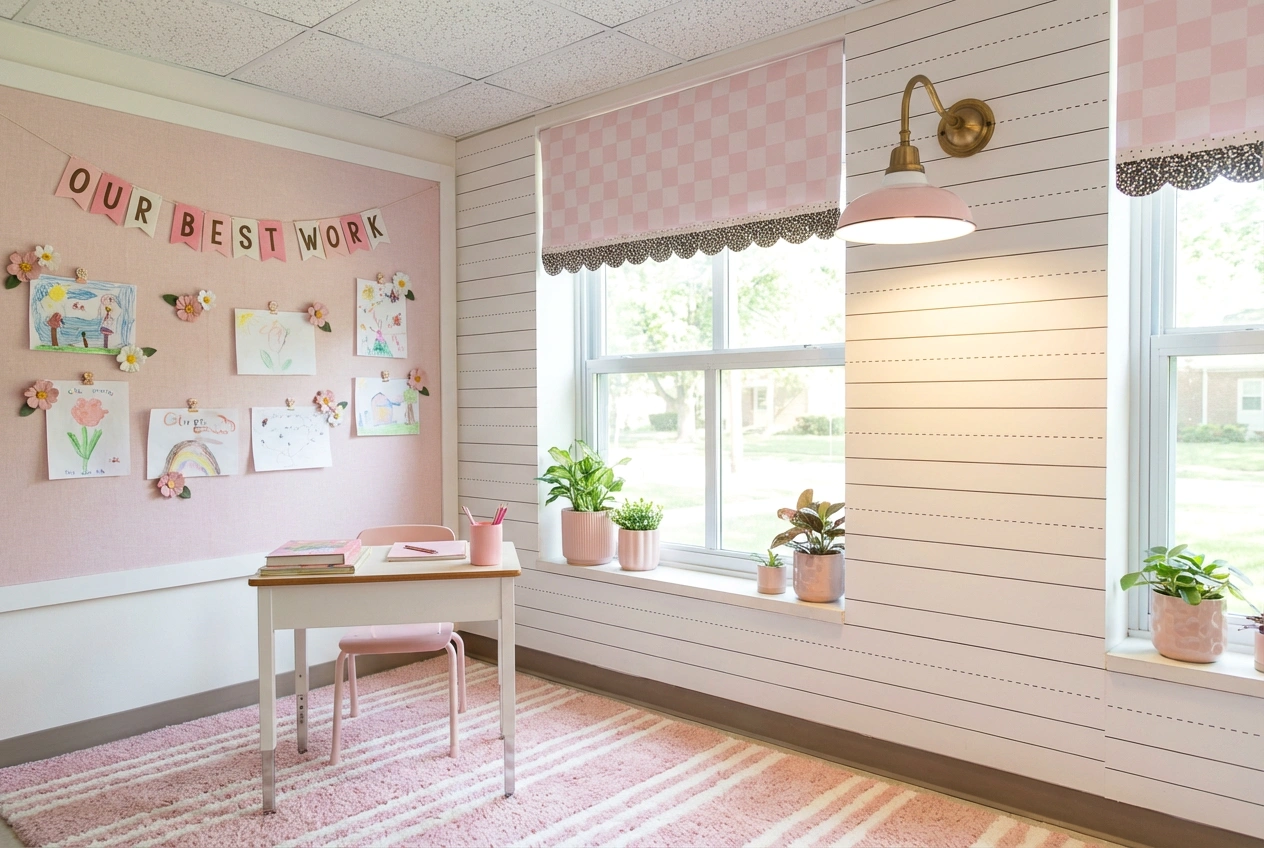
Transform Your Space with Stunning Pink Classroom Decor Ideas for a Creative Learning Environment
Imagine a space that doesn’t just house learning but actively inspires it—a room that feels both calming and energizing, nurturing creativity and focus. This is the transformative power of intentional pink classroom decor. Far from being a cliché or overly saccharine, a thoughtfully designed pink-themed learning environment can revolutionize the atmosphere of any educational space, from a dedicated homeschool room to a creative studio or even a child’s bedroom study nook. This design approach marries aesthetic appeal with psychological benefits, creating a backdrop where minds can flourish. By embracing shades from soft blush to vibrant magenta, you can craft a space that is uniquely inviting and profoundly effective for fostering a love of learning.
Introduction to Transform Your Space with Stunning Pink Classroom Decor Ideas for a Creative Learning Environment
The concept of a pink-themed classroom transcends mere color choice; it’s about cultivating a specific atmosphere that balances stimulation with serenity. Historically, pink has been associated with tranquility, warmth, and compassion. In a learning context, these attributes translate into a space that reduces anxiety, encourages open communication, and promotes a sense of safety—all crucial elements for effective education. A pink-inspired learning space is not about creating a monochromatic bubble but about using pink as a foundational hue that harmonizes with other colors and materials. The result is an environment that feels modern, intentional, and deeply supportive.
Moreover, this style is incredibly versatile. It can lean towards a minimalist, Scandinavian-inspired look with pale blush walls and natural wood, or it can explode into a vibrant, creative hub with fuchsia accents and eclectic patterns. The core idea is to use color psychology to your advantage, crafting a room that visually declutters the mind and allows concentration and creativity to take center stage. Whether you’re a teacher revitalizing a school classroom, a parent designing a homeschool area, or a professional styling a creative workshop, embracing pink educational decor offers a fresh, evidence-based approach to interior design that prioritizes emotional well-being and cognitive function.
Why Choose Pink Classroom Decor for Your Space
Choosing a pink-centric theme for a learning environment is a strategic decision with multifaceted benefits. Firstly, from a psychological perspective, certain shades of pink, like soft rose and blush, have been shown to have a calming effect. This can be particularly beneficial in spaces where students may experience stress or need to focus for extended periods. A calm student is a more receptive and engaged learner, making the color an unseen ally in education.
Secondly, pink learning environments are exceptionally effective at creating visual harmony without being sterile. Unlike harsh whites or overwhelming bright primaries, pink provides a warm, inviting backdrop that complements a wide range of accent colors—from mint green and navy blue to gold and charcoal gray. This flexibility allows for personalized, dynamic displays of student work, educational posters, and learning materials that pop against the softer background. Consequently, the room feels organized and cohesive, reducing visual noise that can distract young minds.
Furthermore, this decor style champions inclusivity and breaks away from traditional gender-normative color schemes. A modern, well-executed pink classroom feels fresh, gender-neutral, and focused on creating a positive mood for all occupants. It signals a space that values creativity, empathy, and innovation. Finally, from a purely aesthetic standpoint, a pink-themed room is inherently photogenic and inspiring. It creates an environment that both students and educators are proud to be in, fostering a sense of community and ownership that is essential for a collaborative and creative learning atmosphere.
Key Elements & Design Components
Essential Decor Items for a Pink-Themed Learning Space
To successfully build your creative pink classroom, you’ll need to curate a mix of foundational items, textiles, and accessories. Here’s a detailed list to guide your selections:
- Wall Treatment: This is your canvas. Options range from painting walls in a soft blush, ballet slipper pink, or dusty rose to using removable wallpaper with subtle pink patterns (like geometric shapes or organic watercolor washes). A feature wall in a slightly deeper shade, like terracotta pink, can add wonderful depth.
- Furniture: Seek out functional pieces in neutral tones. White, light gray, or natural wood desks, bookshelves, and storage units allow the pink accents to shine without overwhelming the space. A vintage wooden teacher’s desk or a modern white modular storage system can both work beautifully.
- Textiles: This is where you add layers of texture and comfort. Incorporate a plush, pink area rug to define a reading nook. Add curtains in a sheer pink or a complementary solid color. Use cushion covers on floor seating or chairs in various pink patterns—think stripes, polka dots, or abstract prints.
- Storage Solutions: Keep the space organized with stylish storage. Pink fabric bins, rose-gold metal baskets, or labeled boxes in coordinating colors help maintain the theme while managing clutter. A well-organized space is key to a functional pink educational decor scheme.
- Lighting: Soft, warm lighting is essential. Consider a statement pendant light with a pink glass shade, string lights with pink accents draped over a bulletin board, or simple table lamps with pink bases. Good lighting prevents eye strain and enhances the cozy atmosphere.
- Accents & Learning Tools: This is the fun part! Incorporate:
- Bulletin/Display Boards: Use fabric in a pink hue to cover boards for a polished look.
- Organizational Tools: Pink tape dispensers, pencil cups, and file folders.
- Art & Posters: Educational posters with pink accents or framed inspirational quotes on pink paper.
- Natural Elements: Plants in white or neutral pots soften the space and add life.
- Seating: A few bean bags or floor cushions in pink or complementary colors create flexible seating options.
Style Variations & Budget-Friendly Alternatives
Not every space or budget allows for a full overhaul. Fortunately, the beauty of pink school room ideas lies in their adaptability.
- For Small Spaces/Rentals: Instead of painting, use large pink fabric panels as a backdrop, or apply pink contact paper to the back of bookshelves. Focus on portable pink accessories like rugs, cushions, and art that can move with you.
- Budget-Conscious Approach: Thrift store finds are your best friend. A neutral bookshelf can be transformed with a few cans of pastel pink spray paint. Create your own wall art with pink paint samples and frames from a discount store. Use pink washi tape to create borders on white walls or to decorate plain storage containers.
- Style Variations:
- Modern Minimalist: Stick to a monochromatic scheme of blush, white, and gray. Use clean lines, a few statement pink pieces (like one vibrant chair), and plenty of negative space.
- Boho Creative: Mix patterns and textures. Combine blush pink with mustard yellow, sage green, and macramé. Use layered rugs, floor pillows, and plenty of plants.
- Vintage Scholastic: Think deeper rose pinks paired with dark wood, brass accents, vintage globes, and framed botanical prints. A Persian-style rug with pink hues would complete the look.
How to Achieve the Look: Step-by-Step Styling Guide
Follow this actionable guide to systematically bring your pink classroom decor vision to life.
Step 1: Define Your Palette and Plan
Begin by choosing your dominant pink shade. Do you want a calming blush, a cheerful bubblegum, or a sophisticated mauve? Next, select 2-3 complementary colors. Classic pairings include pink with navy (for contrast), mint green (for freshness), gray (for modernity), or gold (for warmth). Create a simple mood board with paint swatches, fabric samples, and inspiration images. Measure your room and sketch a basic layout, noting where key furniture and focal points will go.
Step 2: Establish Your Foundation (Walls & Flooring)
Prepare your largest surfaces. If painting, test your chosen pink on a large swatch to see it in different lights. For a less permanent option, apply removable wallpaper to one accent wall. On the floor, lay down a large area rug in your chosen pink or a neutral with pink patterns. This will anchor the space, define zones (like a reading area), and add acoustic comfort—a crucial factor in any pink-inspired learning space.
Step 3: Arrange Functional Furniture
Place your largest furniture pieces first: desks, bookshelves, and storage units. Arrange them to promote good traffic flow and ensure all students have a clear view of any teaching area. Opt for furniture in light woods, white, or black to let your pink accents stand out. Ensure there is a mix of seating options, including traditional chairs and flexible floor seating, to cater to different learning styles.
Step 4: Layer in Textiles and Soft Furnishings
This step adds warmth and texture. Hang curtains that complement your wall color. Add cushions to any floor seating or a classroom couch. Drape a soft pink blanket over a chair in the reading corner. These elements make the space feel comfortable and inviting, which is essential for reducing anxiety and fostering a positive learning environment aesthetic.
Step 5: Implement Smart Storage and Organization
An organized space is a functional one. Use your pink-themed bins, baskets, and boxes to categorize supplies—art materials, books, math manipulatives. Label everything clearly. Decorate plain storage with pink labels or tape. A well-organized room not only looks better but also teaches students organizational skills and minimizes time lost searching for materials.
Step 6: Add Educational and Decorative Accents
Now, personalize the space with purpose. Set up your pink-fabric-covered bulletin boards for displaying work. Hang educational posters that fit your color scheme. Place plants around the room. Add inspirational quote art in pink frames. Set out pink pencil cups, tape dispensers, and other daily-use tools. This layer makes the room uniquely yours and fully functional for learning.
Step 7: Optimize Lighting
Assess your lighting. Reduce harsh overhead fluorescents by adding multiple light sources. Plug in floor lamps, desk lamps, or string lights to create pools of warm, inviting light. This not only helps with focus during tasks but also makes the pink educational decor glow in the evening, creating a truly magical atmosphere.
Elevating the Look: Advanced Styling Tips
Once your foundational pink classroom decor is in place, these advanced tips will add polish and personality.
- Create a Focal Point: Designate one wall as a “Wow” wall. This could be your accent wall with a bold pink pattern, a massive floor-to-ceiling bookshelf styled with pink accessories, or a gallery wall of student art in pink-hued frames.
- Play with Typography: Use vinyl lettering or a beautiful font to paint an inspirational word (like “CREATE,” “WONDER,” or “DISCOVER”) on the wall in a subtle pink tone. It adds a graphic, modern element.
- Incorporate Metallic Accents: Rose gold, copper, or brass elements add a touch of luxury and reflect light beautifully. Look for metallic basket handles, clock frames, or light fixture details.
- Curate a “Calm Down” Corner: Dedicate a small area with extra-plush pink pillows, a weighted blanket in a complementary color, and calming sensory tools. This aligns the psychological benefits of the color with a tangible, supportive resource for students.
- Rotate Displays Seasonally: Keep the space dynamic by changing out bulletin board displays and shelf decor with the seasons. Use pink as the constant, but introduce seasonal colors (orange in fall, pastels in spring) through easily swapped-out items like fabric scraps on boards or small decorative objects.
Maintenance & Care: Keeping Your Space Fresh
Maintaining the serene and organized vibe of your pink learning environment requires a simple routine.
- Daily/Weekly Tidying: Implement a 5-minute “reset” routine at the end of each day or week. Have students help return supplies to their designated pink bins, straighten cushions, and wipe down surfaces. This maintains order and teaches responsibility.
- Fabric Care: Vacuum rugs regularly to prevent dust buildup. Follow care labels to wash cushion covers and blankets every few weeks or as needed. Spot-clean any fabric-covered boards immediately.
- Wall and Surface Care: For painted walls, keep a small amount of touch-up paint for scuffs and marks. Use gentle cleaners on furniture surfaces. For removable wallpaper, dust gently with a microfiber cloth.
- Refreshing the Decor: To prevent the look from feeling stale, plan for small refreshes. Every few months, swap out a few accessory items, rotate the artwork, or introduce a new plant. This keeps the pink-inspired learning space feeling new and engaging without a major redesign.
FAQs: Frequently Asked Questions About Pink Classroom Decor
Q1: Isn’t pink distracting or too gendered for a classroom?
A: Not when used thoughtfully. Modern pink classroom decor utilizes a spectrum of shades, many of which are quite neutral (like blush, mauve, or clay). Paired with sophisticated complements like gray, navy, or wood tones, the result is a calming, inclusive, and visually harmonious space that appeals to everyone. The key is balance and intentionality.
Q2: I have a very small room. Will pink make it feel smaller?
A: Actually, light shades of pink (like blush or shell pink) can make a room feel more open and airy, similar to white, but with more warmth. Avoid dark, saturated pinks in a tiny space. Use mirrors and good lighting to enhance the sense of space, and keep furniture light and airy.
Q3: How can I incorporate pink on a very tight budget?
A: Focus on high-impact, low-cost changes. Paint one thrifted bookshelf pink. Use pink washi tape to create geometric shapes on a white wall. Sew simple pillow covers from pink fabric remnants. Swap out hardware on existing furniture for pink knobs. DIY a large piece of art with pink paint samples. Small, strategic touches can effectively establish your pink school room ideas.
Q4: What are the best colors to pair with pink in a learning environment?
A: Excellent pairings include:
* Navy Blue: Creates a classic, high-contrast look that is both calming and crisp.
* Sage or Mint Green: Offers a fresh, natural, and soothing combination.
* Gray: Provides a modern, sophisticated, and neutral backdrop.
* Gold or Brass: Adds warmth, luxury, and a touch of vintage charm.
* White: Keeps the space feeling clean, bright, and minimalist.
Q5: How do I keep a pink-themed room from looking too juvenile?
A: To achieve a more mature learning environment aesthetic, choose muted, dusty, or earthy pinks (think terracotta or rose quartz). Pair them with materials like black metal, dark wood, concrete, and leather. Incorporate plenty of natural elements like plants and wood, and opt for abstract art and geometric patterns over cartoonish ones.