
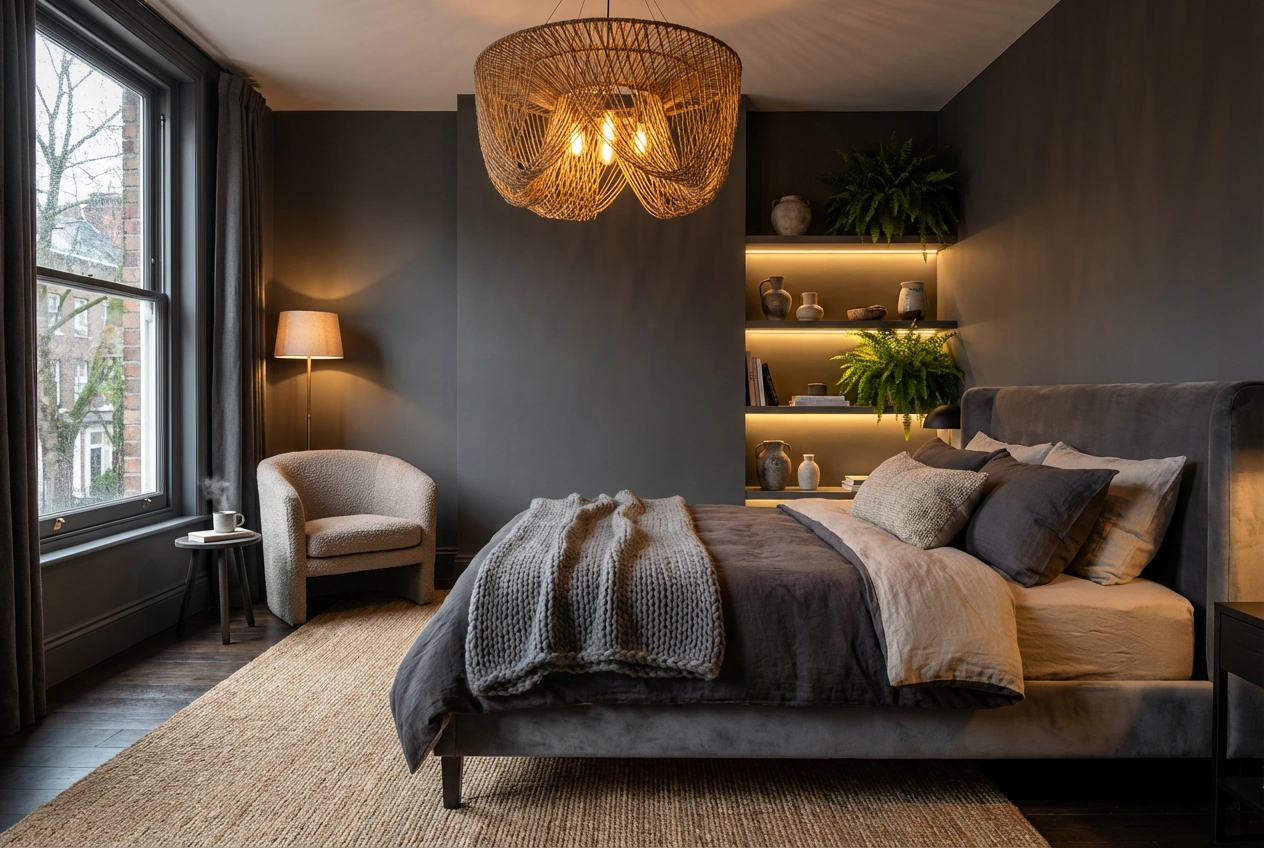
Transform Your Space: 25 Stylish Grey Room Ideas for a Cozy Bedroom Retreat
Introduction to Transform Your Space: 25 Stylish Grey Room Ideas for a Cozy Bedroom Retreat
Imagine a sanctuary that whispers tranquility and wraps you in comfort the moment you step inside. This is the profound power of a well-designed grey bedroom. Often misunderstood as cold or impersonal, grey is, in fact, the ultimate chameleon of interior design. It provides a sophisticated, neutral canvas that can be tailored to evoke any mood—from serene and minimalist to rich and dramatic. Consequently, exploring grey room ideas bedroom enthusiasts can unlock is the first step toward crafting a personal retreat that is both timeless and deeply comforting. Whether you’re drawn to the softness of dove grey, the depth of charcoal, or the cool undertones of slate, this versatile hue forms the perfect foundation. Moreover, it effortlessly bridges styles, allowing rustic wood, sleek metallics, plush textiles, and vibrant accent colors to shine. Ultimately, transforming your sleep space with grey isn’t just about following a trend; it’s about creating a haven that promotes rest, reflects your personality, and stands the test of time. Let’s delve into how this adaptable color can become the heart of your cozy bedroom escape.
Why Choose Grey for Your Bedroom Space?
Selecting grey as the cornerstone of your bedroom design is a decision that marries aesthetic intelligence with practical benefits. First and foremost, grey is unparalleled in its ability to cultivate a sense of calm and relaxation, which is paramount for a space dedicated to rest. Its neutral nature reduces visual noise, allowing your mind to unwind. Furthermore, grey bedroom schemes offer incredible versatility. They act as a serene backdrop that can evolve with your tastes; you can change accent pillows, art, or bedding seasonally without repainting the entire room.
From a design perspective, grey enhances spatial perception. Lighter shades can make a small room feel more open and airy, while darker tones add cozy, enveloping intimacy to a larger space. This flexibility makes it ideal for homeowners, renters, and anyone working with unique room dimensions. Additionally, grey possesses a unique ability to highlight other design elements. For example, it makes natural wood grains pop, allows metallic finishes to gleam, and provides the perfect contrast for lush green plants or bold artwork.
Finally, a grey-centric bedroom is inherently sophisticated and timeless. Unlike bolder colors that may feel dated, a grey palette remains chic and adaptable, ensuring your sanctuary feels current and curated for years to come. It’s a smart, stylish foundation that prioritizes both emotional well-being and visual harmony.
Key Elements & Design Components
Essential Decor Items for a Grey Bedroom
To successfully execute any of the myriad grey bedroom ideas, you’ll need to curate a selection of key components that build layers of texture and interest.
- The Grey Foundation: This starts with your walls. Options range from warm greige paint to cool steel-grey wallpaper with a subtle texture or pattern. The wall color sets the overall tone.
- Bedding & Textiles: This is where comfort meets style. Invest in high-quality bedding in varying shades and textures of grey—think linen duvet covers, velvet throw pillows, and a chunky knit blanket. Layering different fabrics (cotton, wool, faux fur) adds depth and coziness.
- Statement Bed: Your bed is the focal point. An upholstered headboard in a complementary grey fabric or a wooden frame with a grey wash anchors the space beautifully.
- Soft Lighting: Harsh overhead lights disrupt the serene mood. Instead, layer lighting with a combination of wall sconces, table lamps on nightstands, and a graceful pendant light. Warm-toned bulbs are essential.
- Natural Elements: To prevent the space from feeling flat, incorporate organic materials. A jute or wool area rug, a live potted plant (like a monstera or snake plant), and furniture with wood accents (oak, walnut, or reclaimed wood) bring warmth and life.
- Metallic Accents: Brass, copper, or matte black finishes in light fixtures, drawer pulls, and decorative objects add a touch of refinement and contrast.
- Art & Personal Touches: Curated artwork, personal photographs in simple frames, and a few cherished decorative objects ensure the room feels uniquely yours rather than a showroom.
Style Variations & Budget-Friendly Alternatives
The beauty of grey room decor is its adaptability to any style or budget.
- For a Luxe Look: Opt for deep charcoal walls, sumptuous grey velvet bedding, a sheepskin rug, and brass lighting fixtures. Splurge on a custom, upholstered bed frame.
- For a Scandinavian Feel: Choose light, airy grey walls, pale oak furniture, simple black metal accents, and plenty of white bedding with textured grey throws. The focus is on clutter-free simplicity and natural light.
- For an Industrial Vibe: Expose brick walls painted in a soft grey, use a metal-framed bed, and incorporate concrete-look lamps and shelving. Keep the palette monochromatic with shades of charcoal and slate.
Budget-Conscious Swaps: You don’t need to break the bank. Use removable peel-and-stick wallpaper for a feature wall instead of painting. Find a solid wood bed frame at a thrift store and paint or stain it grey. Similarly, layer affordable throws and pillows from discount home stores to build texture. Furthermore, DIY abstract art using grey paint samples on canvas can create a high-end look for very little cost. For renters, focus on grey elements through furniture, rugs, and decor that you can take with you.
How to Achieve the Look: Step-by-Step Styling Guide
Follow this actionable guide to build your cozy grey bedroom retreat from the ground up.
Step 1: Define Your Grey Palette and Paint. Begin by choosing your dominant grey tone. Test several paint samples on your wall to see how they look at different times of day. Decide if you want a warm, cool, or neutral grey base. Commit to painting the walls, or for a less permanent option, create a bold accent wall.
Step 2: Select and Arrange Your Key Furniture. Place your bed as the central focal point, typically on the wall opposite the door. Choose nightstands that complement the bed’s style. Then, add a dresser or a cozy chair in a corner if space allows. Ensure there’s clear, easy movement around the room.
Step 3: Layer in Textiles for Comfort and Texture. Start with a large area rug that extends under the bed. Dress your bed with sheets, a duvet, and standard pillows in a base grey. After that, add Euro shams, decorative pillows, and a throw blanket in contrasting textures (cable knit, faux fur, silk) and slightly varying grey tones.
Step 4: Implement a Layered Lighting Plan. Install dimmers on your overhead light or replace it with a decorative fixture. Place matching table lamps on both nightstands for balanced task lighting. Finally, consider plug-in wall sconces or a floor lamp near a reading chair to complete the ambient glow.
Step 5: Incorporate Wood and Natural Elements. Introduce a wooden element, such as a live-edge nightstand, a rattan basket for laundry, or a set of floating oak shelves. Then, add greenery with low-maintenance indoor plants to inject vitality and color.
Step 6: Add Metallic Accents and Reflective Surfaces. Scatter metallic touches through drawer pulls, lamp bases, picture frames, or a decorative tray on your dresser. A mirror not only serves a functional purpose but also reflects light and makes the space feel larger.
Step 7: Personalize with Art and Accessories. Hang a statement piece of art above the bed or create a gallery wall. Style your nightstands and dresser with a few curated items: a stack of books, a small vase, or a scented candle. Remember, the goal is cohesion, not clutter.
Elevating the Look: Advanced Styling Tips
Once your foundational grey bedroom design is in place, these advanced tips will add a layer of polished sophistication.
- Play with Pattern: Introduce subtle pattern through a textured wall, a geometric throw pillow, or curtains with a faint stripe or herringbone weave. This prevents a monochromatic scheme from falling flat.
- Create a Focal Point with Texture: Dedicate one wall to a dramatic texture, such as shiplap, board and batten, or a grasscloth wallpaper in a grey hue. This adds incredible depth and character without needing color.
- Curate a Thoughtful Color Accent: Choose one or two accent colors to use sparingly. Mustard yellow, blush pink, deep navy, or emerald green look stunning against grey. Use them in a single piece of art, a small cushion, or the lining of a lampshade.
- Focus on the Fifth Wall: Don’t neglect the ceiling. Painting it a slightly lighter shade of grey than the walls can make the room feel taller and more cohesive. Alternatively, a crisp white ceiling keeps things airy.
- Style Your Bed Like a Pro: Master the art of the bedscape. Use a minimum of five pillows in varying sizes and shapes, and drape your throw blanket asymmetrically at the foot of the bed for a casually elegant look.
Maintenance & Care: Keeping Your Grey Bedroom Fresh
Maintaining the serene appeal of your grey sanctuary is straightforward with a consistent care routine. For walls, dust regularly with a microfiber cloth and spot-clean marks with a mild detergent solution. When it comes to bedding, follow care labels closely; washing grey linens in cool water helps prevent fading. Furthermore, fluff pillows and rotate your mattress every few months to ensure even wear.
To keep the space feeling dynamic, implement small seasonal refreshes. Swap out heavy knit throws for lighter linen ones in summer, or change your accent color with new pillowcases. Regularly declutter surfaces to maintain the tranquil, minimalist vibe that makes grey bedrooms so restful. Periodically reassess your decor—a new piece of art or a different plant can re-energize the entire room without a major overhaul.
FAQs: Frequently Asked Questions About Grey Bedroom Ideas
Q1: Won’t a grey bedroom feel too cold or sterile?
A: Not at all! The key is to choose greys with warm undertones (like greige or taupe) and to balance the color with plenty of warm textures. Incorporate wood, woven baskets, layered textiles, and warm lighting (2700K-3000K bulbs) to create a deeply cozy atmosphere.
Q2: What are the best accent colors for a grey bedroom?
A: Grey is incredibly versatile. For a serene look, pair with soft blues, blush pinks, or sage greens. For a more dynamic contrast, use mustard yellow, terracotta, or emerald green. Metallics like gold, brass, and copper also serve as perfect “accent colors” against a grey backdrop.
Q3: How can I make a small grey bedroom look bigger?
A: Use light, reflective shades of grey on the walls and ceiling. Incorporate a large mirror to bounce light around. Choose furniture with exposed legs to create a sense of airiness. Finally, keep window treatments simple and ensure they don’t block natural light.
Q4: Is grey a good choice for a bedroom with low natural light?
A: Yes, but shade selection is crucial. Avoid dark, cool greys which can feel gloomy. Instead, opt for the lightest, warmest grey on your paint sample strip. Complement it with ample layered artificial lighting and mirrors to maximize brightness.
Q5: Can I mix different shades of grey in one room?
A: Absolutely! In fact, mixing shades is encouraged to create depth and interest. Stick to a cohesive undertone (all warm or all cool) and layer from light to dark. For instance, use pale grey on walls, a medium grey on the headboard, and dark grey in accessories.