
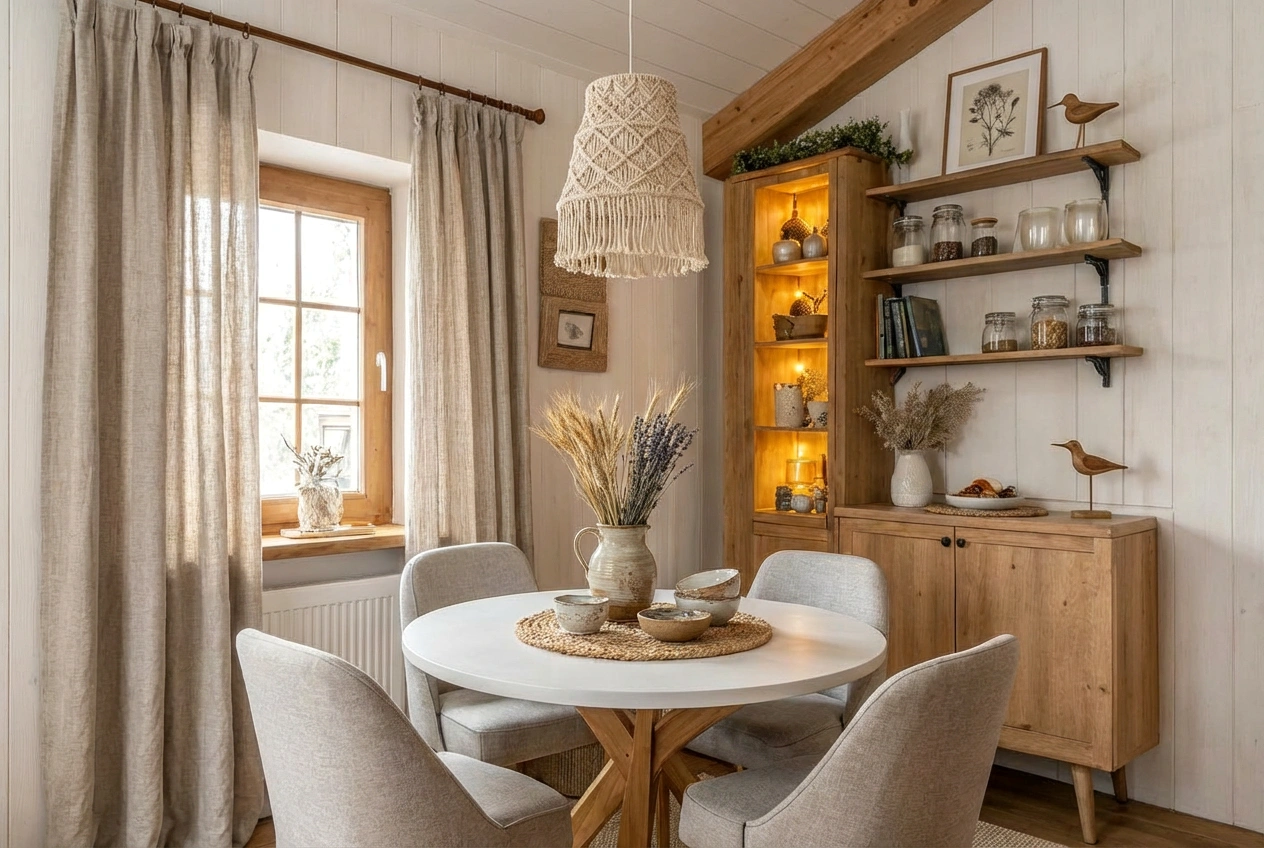
DIY Scandinavian Small Dining Room Decor Projects for a Personal Touch
Introduction to DIY Scandinavian Small Dining Room Decor Projects for a Personal Touch
Imagine a space that feels both serene and inviting, a room where clean lines meet cozy textures and natural light dances across pale wood. This is the essence of Scandinavian design, a philosophy that masterfully balances minimalism with warmth. For those grappling with a compact eating area, this style is nothing short of a revelation. The principles of Scandinavian design—clarity, functionality, and a deep connection to nature—are perfectly suited for enhancing a small dining room. By focusing on light, space, and purposeful decor, you can transform a cramped corner into a cherished hub for meals and connection. This guide is dedicated to inspiring you with hands-on, do-it-yourself projects that infuse your compact dining area with that signature Nordic hygge. Ultimately, we will explore how intentional small dining room decor can elevate not just your space’s aesthetic, but its daily functionality and emotional resonance, proving that limited square footage is no barrier to beautiful, personalized design.
Why Choose DIY Scandinavian Small Dining Room Decor Projects for a Personal Touch for Your Space
Selecting a Scandinavian approach for your compact dining area is a strategic and deeply rewarding choice. Firstly, this style is inherently space-optimizing. Its minimalist ethos discourages clutter, encouraging you to keep only what you love and use. Every piece of furniture and decor has a clear purpose, which prevents the visual chaos that can make a small room feel even smaller. The iconic light color palette—think soft whites, gentle greys, and pale woods—acts to reflect light, making the room feel more open and airy. This is a crucial advantage for dining nooks that may lack abundant natural light.
Furthermore, Scandinavian design prioritizes emotional well-being through the concept of hygge (pronounced hoo-ga). This Danish term encompasses a feeling of cozy contentment and well-being. By incorporating elements like warm wood tones, tactile textiles, and soft, diffused lighting, you create a dining environment that feels comforting and intimate. It’s a space that encourages you to slow down, enjoy a meal, and connect with loved ones. The DIY aspect amplifies this personal touch; a hand-built shelf or a self-woven wall hanging carries a story and a sense of accomplishment that mass-produced items simply cannot. Therefore, embracing DIY Scandinavian projects for your small dining space isn’t just about aesthetics—it’s about crafting a functional, light-filled sanctuary that nurtures comfort and connection on a daily basis.
Key Elements & Design Components
Essential Decor Items for DIY Scandinavian Small Dining Room Decor Projects for a Personal Touch
To authentically capture the Scandinavian spirit in your compact dining area, focus on these foundational elements:
- Furniture with Clean Lines: Opt for a simple, well-proportioned dining table in light-toned wood like oak, ash, or beech. Look for slender legs that allow light to pass through, enhancing the sense of space. Similarly, choose chairs with open backs or minimalist designs. A classic wishbone chair (a DIY-friendly rope version is possible!) is a perfect icon.
- A Light & Neutral Color Palette: Your base should be a canvas of whites, off-whites, soft greys, and pale beiges. These colors form the serene backdrop that defines Nordic interiors and makes your small dining nook feel larger.
- Natural Materials & Textures: This is where warmth enters the equation. Incorporate raw, natural materials beyond wood: a jute or sisal rug under the table, linen curtains or chair cushions, and tactile accessories in ceramics, stone, or woven seagrass.
- Functional & Decorative Lighting: Lighting is paramount. A single, statement pendant light over the table is a classic choice. Look for designs in paper, white metal, or glass for a soft, diffused glow. Supplement with candles for evening hygge.
- Intentional Greenery: A single, statement plant (like a fiddle-leaf fig or a large monstera) or a few small potted herbs on the table bring life, color, and a vital connection to nature.
- Artful Simplicity in Decor: Avoid clutter. Choose a few meaningful pieces: a simple framed print or poster, a sculptural vase, or a set of beautiful, understated tableware. The mantra is “less but better.”
Style Variations & Budget-Friendly Alternatives
The beauty of the DIY Scandinavian approach is its adaptability. For a more rustic “Scandi-Cabin” feel, incorporate darker wood accents, chunky knit throws, and black metal details. Conversely, for a modern edge, focus on sleeker silhouettes and introduce a single, bold graphic artwork.
For those on a budget or in rental spaces, creativity is key:
* Furniture: Instead of a new table, sand and lime-wax an old one for a pale, weathered look. Use removable chair slipcovers in neutral linen.
* Walls: If you can’t paint, use large, framed posters or a gallery wall of black-and-white prints to create a light, focal point. Peel-and-stick wall decals in geometric patterns are another great rental-friendly option.
* Lighting: A simple IKEA paper shade can be customized with a beautiful cord kit for a high-end look. Thrift store glass vases can become elegant candle holders.
* Textiles: Look for neutral fabric remnants to sew simple cushion covers or a table runner. A plain cotton blanket can be fringed for a boho-Scandi touch.
How to Achieve the Look: Step-by-Step Styling Guide
Follow this actionable plan to build your DIY Scandinavian dining room from the ground up.
Step 1: Establish Your Serene Foundation (Walls & Floor)
Begin by creating your light-reflecting canvas. Paint your walls in a soft white or light grey. If painting isn’t an option, ensure any existing wall color is as neutral as possible. Next, address the floor. A light, natural fiber rug (like jute or sisal) is ideal for defining the dining area in a small room. It adds texture without visual weight. DIY Tip: If a large rug is out of budget, try stitching several smaller, matching natural coir placemats together to create a unique, modular rug.
Step 2: Select and Place Your Foundational Furniture
Choose a dining table that fits your space comfortably—round tables are excellent for tight corners as they have no sharp edges and facilitate easier flow. Position it centrally if possible, or against a wall for a cozy banquette setup (a fantastic DIY project using a built-in bench with storage). Arrange chairs so there is ample room to push them back and walk around. The goal is effortless movement.
Step 3: Layer in Light and Ambiance
Install your primary light source. A pendant should hang approximately 30-36 inches above the table surface. For a DIY project, consider making a simple pendant light using a wooden bead kit or a woven basket. Then, layer in ambient light: add a small shelf with a couple of plug-in wall sconces or plan for a cluster of pillar candles on the table for intimate dinners.
Step 4: Infuse Warmth with Textiles
This step instantly adds hygge. Drape a soft, chunky knit blanket over one chair. Add linen or wool seat cushions for color and comfort. Style your table with a simple, neutral table runner or a set of woven placemats. These textiles introduce softness and visual interest without clutter.
Step 5: Accessorize with Purpose and Nature
Now, add the personal, finishing touches. Place a medium-sized, healthy plant in a simple ceramic pot in a corner. Style your tabletop: a ceramic vase with a single branch, a stack of beautiful books, or a wooden bowl for fruit. Hang one or two pieces of simple, framed art on the wall. Remember, each item should have breathing space. This curated approach is the hallmark of effective Scandinavian dining room ideas for small spaces.
Step 6: Craft Your Personal DIY Statement Piece
This is where your personality shines. Choose one project: build a floating shelf from reclaimed wood to display ceramics, weave a small wall hanging from yarn, or hand-paint a minimalist pattern on your plain curtain panels. This self-made item becomes the heart of the room, telling your unique story.
Elevating the Look: Advanced Styling Tips
Once your foundation is set, these nuanced touches will polish your space to perfection. First, consider the reflection of light. A strategically placed mirror on a wall adjacent to the dining area can double the sense of light and space, beautifully amplifying your small space dining decor. Secondly, play with tonal texture. Instead of introducing new colors, layer different shades and textures of white and wood—a smooth ceramic next to a nubby linen, a glossy leaf against a matte painted wall.
Pay close attention to your table settings as permanent decor. A beautiful, everyday set of stoneware plates and neutral linen napkins can be left on the table as part of the scenery. Finally, embrace the “imperfect” element of wabi-sabi. A handmade pottery mug with a slight asymmetry or a wooden table with visible grain and gentle wear adds soul and authenticity, preventing the space from feeling sterile or overly curated.
Maintenance & Care: Keeping Your Space Fresh
The simplicity of Scandinavian decor makes it relatively easy to maintain. The key is consistent, light tidying to uphold the clutter-free ethos. Dust light woods regularly with a slightly damp cloth to maintain their pale luster. For natural fiber rugs, frequent vacuuming (without a beater bar) is essential, and spot-clean spills immediately to prevent stains.
Linen textiles can be gently machine-washed but often look best with a slight crease—embrace their relaxed nature. To keep your small dining room design feeling fresh, practice seasonal editing. In summer, you might swap the heavy knit throw for a lighter cotton one and add a vase of fresh wildflowers. In winter, introduce a few more candles and a sheepskin over a chair. This gentle rotation keeps the space dynamic and responsive to your life without requiring a major overhaul.
FAQs: Frequently Asked Questions About DIY Scandinavian Small Dining Room Decor Projects for a Personal Touch
Q: Can I add color to a Scandinavian dining room, or does it have to be all white?
A: Absolutely! While the foundation is neutral, Scandinavian design warmly welcomes color. The key is to use color intentionally and sparingly. Think of a single, muted accent: dusty blue chair cushions, a sage green table runner, or a collection of terracotta pottery. These small pops add personality without overwhelming the serene base.
Q: My dining room is part of my open-plan living room. How can I define the space?
A: This is a common scenario. Use your area rug to anchor the dining set, clearly defining the zone. A pendant light over the table acts as a visual ceiling marker. You can also use a low bookshelf or a console table behind the dining chairs as a subtle room divider that provides both storage and display space.
Q: I have a dark dining room with little natural light. Can I still achieve this look?
A: Yes, but lighting becomes even more critical. Prioritize painting walls in the lightest, brightest white you can. Then, implement a robust layered lighting plan: your main pendant, plus wall sconces, and even a floor lamp in the corner if space allows. Use mirrors strategically to bounce artificial light around. Choose furniture in pale woods or even white-painted finishes to keep things airy.
Q: What is the most important DIY project for a beginner to start with?
A: Start with something impactful yet manageable. Painting old furniture with a white or pale grey chalk paint is transformative and forgiving. Alternatively, creating a simple macramé plant hanger or painting a thrifted frame for your art are excellent entry points that add immediate personal touch to your small dining area decor.
Q: How do I prevent my minimalist dining room from feeling cold or sterile?
A: The antidote to sterility is texture and life. Ensure you have abundant tactile elements: a wool blanket, a woven basket, a rough ceramic vase. Incorporate organic shapes (a round mirror, a curved chair back) to soften straight lines. Most importantly, include greenery—plants are the ultimate source of life and softness in any minimalist space.