
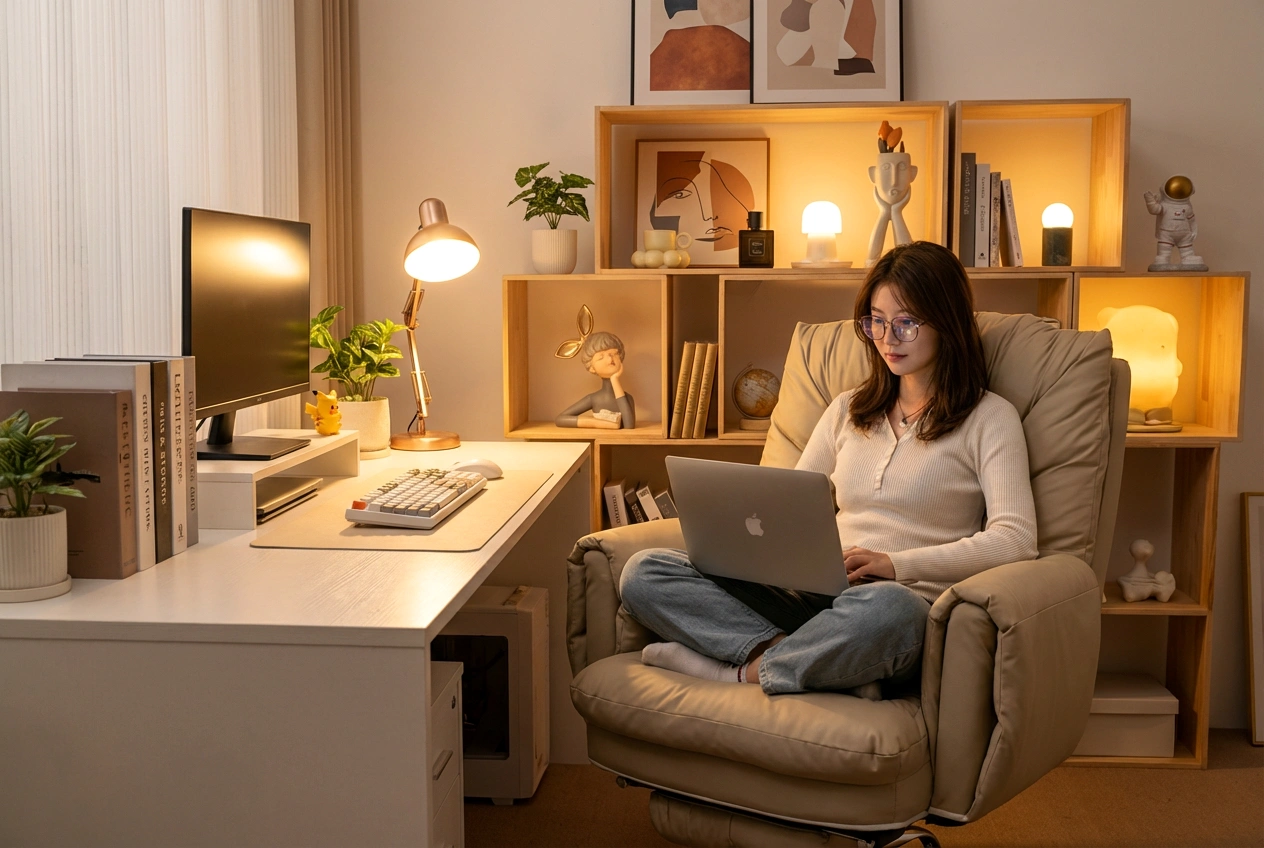
Ultimate Guide to Choosing the Perfect Study Table and Chair for Your Study Space
Introduction to Ultimate Guide to Choosing the Perfect Study Table and Chair for Your Study Space
Imagine a space that doesn’t just hold your laptop and books, but actively fuels your focus, sparks your creativity, and becomes a personal sanctuary for productivity. This is the transformative power of a thoughtfully designed study nook, and it all begins with its foundation: the perfect study table and chair. Far more than mere furniture, this dynamic duo is the cornerstone of any effective home office, student’s corner, or creative studio. The right combination can elevate your work-from-home experience, improve posture, and enhance your overall well-being. Conversely, a poorly chosen setup can lead to discomfort, distraction, and a lack of inspiration. Whether you’re a professional tackling deadlines, a student immersed in learning, or a hobbyist pursuing a passion, your desk and ergonomic chair are your most loyal allies. This guide will walk you through every consideration—from ergonomics and dimensions to aesthetics and material—ensuring you invest in pieces that don’t just fill a corner, but fundamentally transform how you work, learn, and create in your home.
Why Choose the Perfect Study Table and Chair for Your Space
Investing time in selecting your workstation furniture is an investment in your productivity, health, and happiness. Firstly, the right setup is a profound ergonomic necessity. An adjustable chair that supports your spine and a desk at the correct height prevent chronic pain in your back, neck, and wrists. This isn’t just about comfort; it’s about sustaining your ability to work effectively for years to come. Secondly, a well-chosen study table and chair create visual and mental harmony. A cluttered, mismatched corner subconsciously adds to cognitive load, while a cohesive, intentionally designed space promotes clarity and calm. The act of curating your own dedicated zone also carries significant emotional weight—it signals a commitment to your goals and crafts an environment where you want to spend time.
Furthermore, in an era where our homes multitask as offices, classrooms, and retreats, having a defined area for focused work helps establish crucial boundaries. Your desk and seating become physical anchors for your workflow, helping you mentally “clock in” and separate professional or academic tasks from personal relaxation. This separation is key to maintaining work-life balance. Ultimately, the perfect setup stands out because it seamlessly blends form and function. It’s not just a practical tool; it’s an expression of your personal style that motivates you to sit down and do your best work, making your home not only more beautiful but more purposefully lived-in.
Key Elements & Design Components
Essential Decor Items for a Functional and Stylish Study
Creating an ideal study space extends beyond the core furniture, but these elements are your non-negotiables:
-
The Study Table (Desk): This is your command center. Key considerations include:
- Surface Area & Shape: Ensure it’s wide and deep enough for your computer, notebook, and any other essentials. Popular shapes include rectangular (classic), L-shaped (for corner maximization), and floating (for a minimalist, space-saving look).
- Material & Durability: Solid wood offers timeless warmth and sturdiness, while engineered wood (like MDF) is a budget-friendly option. Glass desks feel modern but show fingerprints, and metal frames offer an industrial vibe.
- Storage & Features: Drawers, shelves, or cable management systems help maintain a clean, organized surface, which is critical for focus.
-
The Ergonomic Chair: Your most important investment for health.
- Adjustability: Look for seat height, armrest height/width, and lumbar support adjustments. The ability to recline slightly can also reduce spinal pressure.
- Support: A chair should support the natural ‘S’ curve of your spine. High-quality foam or mesh in the seat and backrest provide comfort and breathability.
- Mobility & Base: A five-point base with smooth-rolling casters is stable and allows for easy movement without straining.
-
Supporting Cast – Lighting, Storage, & Accessories:
- Task Lighting: An adjustable desk lamp (like an architect’s lamp) is essential to reduce eye strain. Warm, focused light is ideal.
- Organizational Tools: Utilize desk organizers, drawer dividers, floating shelves, or a small filing cabinet to keep supplies tidy.
- Personal & Inspirational Touches: A plant, a piece of meaningful art, a stylish pen holder, or a comfortable desk pad can personalize the space and boost morale.
Style Variations & Budget-Friendly Alternatives
Your home office setup should reflect your personal aesthetic. Here’s how to adapt the core elements:
- Minimalist/Scandinavian: Opt for a simple, light-toned wooden desk (like oak or ash) with clean lines and a sleek, mesh-backed ergonomic chair in a neutral color. Use hidden storage and keep accessories to a bare minimum.
- Industrial: Choose a desk with a reclaimed wood top and black iron frame. Pair it with a leather or dark fabric task chair on casters. Exposed Edison bulb lighting completes the look.
- Modern/Contemporary: Look for a desk with a glossy finish, geometric shapes, or built-in technology (wireless charging). A sculptural, high-back ergonomic chair in a bold color can be the statement piece.
- Traditional: A solid, ornate wooden desk with detailed carvings pairs beautifully with a luxurious, high-back leather chair. Incorporate brass desk lamps and rich, textured accessories.
For Budget-Conscious & Rental-Friendly Solutions:
* Desk Alternatives: Use a sturdy door slab or butcher block placed on top of two matching filing cabinets or affordable hairpin legs. A wall-mounted folding desk is perfect for tiny spaces.
* Chair Alternatives: While a true ergonomic chair is best, look for used office furniture stores for high-quality discounts. In a pinch, a dining chair with a separate lumbar support cushion and a footrest can improve posture.
* Non-Permanent Upgrades: Use adhesive cable clips, removable wallpaper for the desk backdrop, and tension rod shelves instead of drilling holes. A large, attractive rug can define the space without permanent changes.
How to Achieve the Look: Step-by-Step Styling Guide
Follow this process to build your perfect study corner from the ground up.
Step 1: Assess Your Space & Needs
Before you shop, analyze the room. Measure the available footprint for your workstation. Consider: Is this for deep focus work, creative projects, or video calls? What must you store? How many monitors do you use? Understanding your specific activities will directly inform the size, shape, and features of your desk and seating.
Step 2: Prioritize Ergonomics & Measurement
This is the most critical step for long-term health. Determine your ideal desk height (typically 28-30 inches, but your seated elbow should form a 90-degree angle). Your ergonomic chair should allow your feet to rest flat on the floor (or on a footrest) with thighs parallel to it. Your monitor’s top should be at or slightly below eye level, about an arm’s length away. Getting these measurements right is more important than any aesthetic detail.
Step 3: Select Your Core Furniture (Table & Chair)
With your needs and measurements in hand, begin your search. Try to test chairs in person if possible—sit in them for at least 10 minutes. For the desk, ensure the surface depth accommodates your monitor setup with room to write. Remember, this study table and chair pairing is a long-term investment; prioritize quality and fit over fleeting trends.
Step 4: Plan for Lighting & Electronics
Position your desk perpendicular to a window to maximize natural light without causing screen glare. Then, add a dedicated task light for evenings. Plan your tech setup: use a power strip with a long cord, adhesive cable trays, and clips to route wires neatly behind the desk leg or along the wall. A clutter-free surface starts with managed cables.
Step 5: Layer in Storage & Organization
Implement your storage plan. Use vertical space with shelves above the desk for books and decor. Keep daily-use items (pens, notepad, charger) in a desktop organizer, and tuck away less-used supplies in drawers or a nearby cabinet. The goal is to have everything you need within reach but out of the way of your primary work zone.
Step 6: Personalize with Decor & Accessories
Now, infuse your personality. Add a small indoor plant for life and improved air quality. Hang art or a vision board that inspires you. Choose a desk pad that complements your color scheme. These final touches transform a generic home office setup into your productive haven.
Elevating the Look: Advanced Styling Tips
To take your study from functional to magazine-worthy, consider these nuanced touches:
- Create a Focal Point: Position your desk and chair to face something pleasant—a piece of art, a serene window view, or a neatly styled bookshelf—rather than a blank wall. This gives your eyes a restful place to land during breaks.
- Master the Art of Layering: Add a small, plush rug under your chair for texture and sound dampening. Layer your lighting with ambient (overhead), task (desk lamp), and accent (a small shelf light) sources for a warm, dimensional glow at night.
- Incorporate Natural Elements: Beyond a single plant, use materials like a stone paperweight, a wooden monitor stand, or a jute basket for storage. Natural elements reduce stress and add organic texture.
- Curate a Color Psychology Palette: While neutrals are safe, don’t be afraid of color. Blue enhances focus and productivity, green is calming and balancing, and yellow sparks creativity. Use these in your chair fabric, desk accessories, or wall art.
- Conceal with Style: Use a stylish room divider, a tall plant, or a cohesive curtain to hide your workstation when it’s not in use, especially in a living room or bedroom, helping to maintain those mental boundaries.
Maintenance & Care: Keeping Your Space Fresh
A beautiful study requires minimal but consistent upkeep to stay inspiring.
- Daily/Weekly: Wipe down your desk surface with a microfiber cloth and appropriate cleaner for the material (e.g., wood polish, glass cleaner). Fluff your chair cushion if needed. Do a quick “reset” at the end of each work session: file papers, put pens away, and clear coffee mugs.
- Monthly/Seasonally: Vacuum chair fabric or wipe down leather/vinyl. Check and tighten any loose screws on furniture joints. Declutter drawers and digital files. Dust all shelves, monitor tops, and light fixtures.
- Refreshing the Look: You don’t need new furniture to feel renewed. Simply swap out accessories seasonally—a lighter-colored desk pad in summer, a cozy throw over the chair in winter. Update your wall art or pinboard every few months to reflect new goals or inspirations. Regularly rotating these small elements keeps your study nook feeling dynamic and personally relevant.
FAQs: Frequently Asked Questions About Study Tables and Chairs
Q1: What’s more important, the desk or the chair?
While both are crucial, the ergonomic chair is often the higher priority for physical health. You can create a functional desk surface in many ways, but a poorly supportive chair will cause discomfort and potential injury much faster. Invest in the best chair your budget allows.
Q2: I have a very small room. Can I still have a proper study setup?
Absolutely! Space-saving solutions are key. Look for a narrow wall-mounted or corner writing desk. Use a chair that can tuck completely underneath. Employ vertical storage with shelves and pegboards above the desk. A compact, all-in-one desk and seating area is entirely possible with clever planning.
Q3: How can I make my desk setup more ergonomic on a tight budget?
Start with what you have. Use sturdy books or a box to raise your monitor to eye level. Add a lumbar pillow or rolled-up towel to your existing chair for lower back support. A footrest can be as simple as a small stool. The key is achieving the proper angles (90-degree bends at knees and elbows).
Q4: What’s the ideal height for a study table?
The standard height is 29-30 inches. However, the ideal height is when you sit with your feet flat, thighs parallel to the floor, and your forearms rest comfortably on the tabletop at a 90-degree angle. For ultimate flexibility, consider an adjustable-height (sit-stand) desk.
Q5: Can I use a dining chair as my office chair?
You can temporarily, but it’s not recommended for long-term use. Dining chairs lack the adjustable lumbar support, seat depth, and armrests that promote all-day posture. If you must, add cushions for support and ensure you take frequent breaks to stand and stretch.