
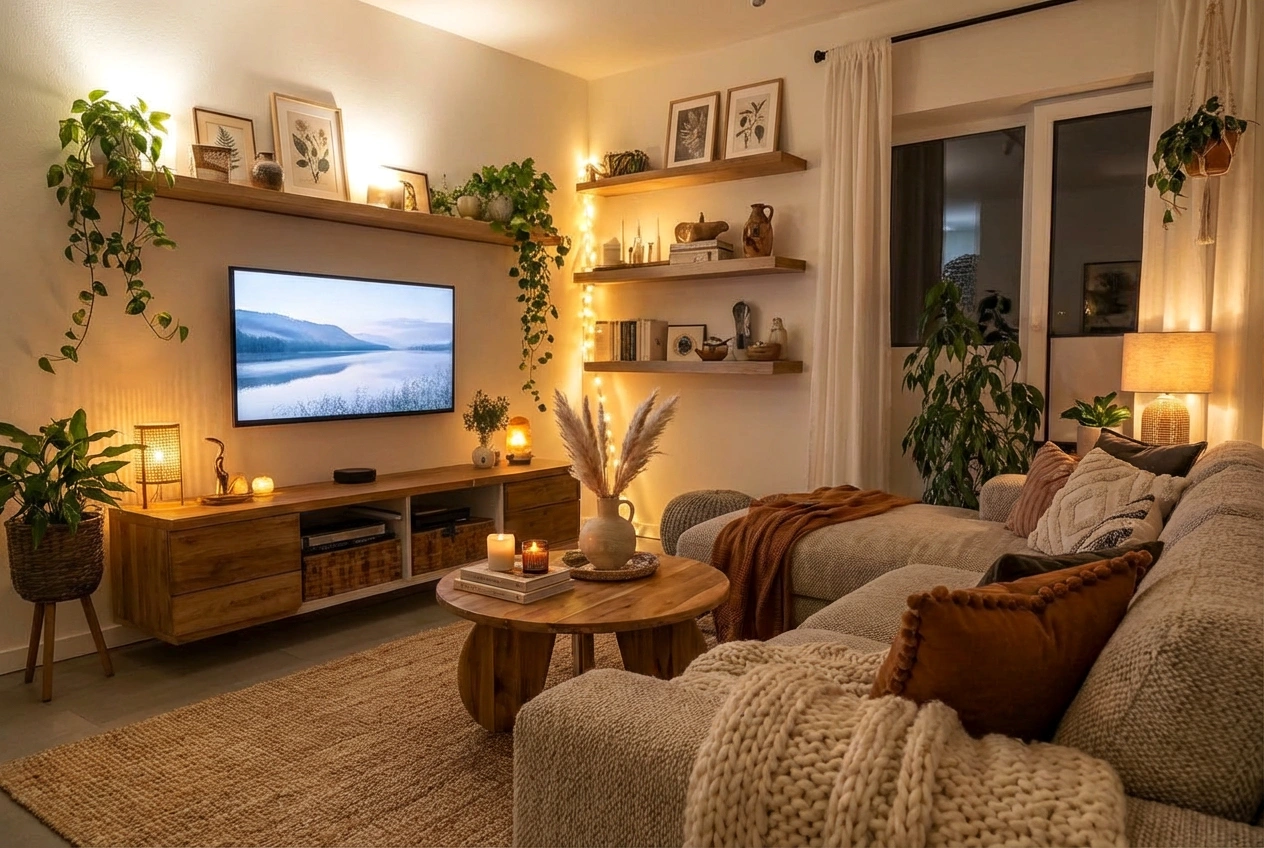
Elevate Your Apartment: Creative Living Room Decorating Ideas for a Stunning Space
Introduction to Elevate Your Apartment: Creative Living Room Decorating Ideas for a Stunning Space
Your living room is more than just a place to sit; it’s the heart of your home, a canvas for your personality, and a sanctuary for relaxation and connection. However, the challenge of apartment decorating living room spaces often lies in balancing style with functionality, especially when dealing with rental restrictions or limited square footage. This guide is designed to transform that challenge into an exciting opportunity. We’ll explore how to craft a space that feels uniquely yours—a stunning environment that reflects your taste, maximizes your footprint, and elevates your everyday life. Whether you’re drawn to serene minimalism, vibrant eclecticism, or cozy modern farmhouse, the principles of thoughtful design remain the same. Ultimately, a well-decorated living area isn’t just about aesthetics; it’s about creating an emotional anchor. It’s where you unwind after a long day, entertain friends, and make memories. By focusing on intentional choices in color, texture, layout, and lighting, you can turn any apartment living room from a standard box into a personalized haven that inspires and comforts you every single day.
Why Choose Creative Ideas for Your Apartment Living Room?
Opting for a creative approach to your apartment living room design is a powerful decision that pays dividends in both practicality and pleasure. Firstly, a thoughtfully decorated space directly impacts your well-being. A room that is visually harmonious and personally meaningful can reduce stress and increase feelings of happiness and comfort. Secondly, creative decor is the ultimate tool for maximizing small spaces. Strategic furniture choices, clever storage solutions, and intelligent lighting can make a compact living room feel expansive and airy, thereby solving one of the most common apartment dilemmas.
Furthermore, personalizing your living room allows you to express your identity and tell your story through curated objects, art, and colors. This emotional connection to your surroundings fosters a deeper sense of belonging and pride in your home. Unlike generic, staged spaces, a creatively decorated room has character and depth. It stands out because it is authentically you. Additionally, many of the ideas we’ll explore are adaptable and renter-friendly, ensuring you can make significant style statements without permanent alterations. In essence, investing creativity into your living room decor transforms it from a mere functional area into the most cherished and dynamic room in your home.
Key Elements & Design Components
Essential Decor Items for a Stunning Apartment Living Room
To build a foundation for your stunning space, focus on these key components:
- The Anchor Sofa: This is the largest piece and sets the tone. Choose a style that fits your aesthetic—a clean-lined modern sofa for a minimalist look, a plush, deep-seated one for cozy comfort, or a sleek apartment-sized sleeper for versatility. Neutral colors offer longevity, while a bold hue or pattern makes a statement.
- Strategic Storage: In apartment living, every piece should earn its keep. Opt for furniture with dual purposes: an ottoman with hidden storage, a sleek media console with cabinets, or stylish baskets and shelves to keep clutter at bay. This is crucial for maintaining a clean, serene environment.
- Layered Lighting: Overhead lighting alone is harsh and unflattering. Create ambiance with a layered approach. Combine a statement ceiling fixture or track lighting with floor lamps for task lighting and table lamps or wall sconces for warm, ambient glow. Dimmers are a game-changer for mood setting.
- A Cohesive Color Palette: Start with a base of two to three neutral colors (e.g., warm whites, soft greys, beiges) for walls and large furniture. Then, introduce one or two accent colors through accessories like pillows, a throw blanket, or art. This creates visual harmony without overwhelming a small space.
- Textural Textiles: Texture adds depth and warmth. Layer a soft wool or faux fur throw over your sofa, add woven jute or plush velvet pillows, and choose a rug with interesting texture. Mixing materials like wood, metal, glass, and fabric prevents the room from feeling flat.
- Personalized Art & Accessories: This is where your personality shines. Curate a gallery wall of meaningful art and photographs, display favorite books on a shelf, or incorporate travel souvenirs. Avoid clutter by editing your collections and leaving some negative space.
Style Variations & Budget-Friendly Alternatives
Great apartment decor doesn’t require a massive budget. Consider these smart alternatives:
- For Wall Impact: Instead of permanent paint or wallpaper, use removable wallpaper decals, washi tape to create geometric patterns, or a large, dramatic tapestry. Command strips and hooks allow for gallery walls without nail holes.
- For Furniture: Scout second-hand stores or online marketplaces for solid wood pieces you can refinish or paint. A fresh coat of paint on a dated dresser can turn it into a unique media stand. Similarly, new hardware can instantly modernize old cabinets.
- For Lighting: Swap out standard rental light fixtures for plug-in pendant lights or swag lamps that don’t require hardwiring. Inexpensive paper lanterns or DIY rope lights can create stunning focal points.
- For Flooring: If you dislike your rental carpet or flooring, a large, statement area rug can cover a significant portion and define your seating area. Layer smaller rugs for added color and pattern.
- For Storage: Use decorative boxes and baskets from discount stores to corral items on open shelving. Tension rods can create under-sink curtains for hidden storage, and over-the-door organizers aren’t just for shoes.
How to Achieve the Look: Step-by-Step Styling Guide
Follow this actionable plan to bring your creative living room ideas to life.
Step 1: Define Your Vision and Color Palette
Begin by gathering inspiration from platforms like Pinterest or design magazines. Identify recurring themes—do you love bright colors, or are you drawn to serene neutrals? Once you have a direction, select your core color palette. For a flexible base, choose two neutrals and one accent color. For instance, try warm white and oak wood tones accented with sage green. This palette will guide every subsequent purchase and choice in your apartment living room design.
Step 2: Plan Your Furniture Layout
Before buying anything, measure your room and create a simple floor plan. Focus on creating a functional conversation area. Typically, the sofa faces a focal point (like a TV or fireplace), with chairs angled inwards. Ensure there’s clear, easy traffic flow (about 3 feet of walking space) around the seating. In a narrow room, consider floating the sofa away from the wall or using a slim console behind it. Remember, the goal of apartment decorating is to make the space feel open and intentional.
Step 3: Select and Place Key Furniture Pieces
Invest in your largest piece first—the sofa—ensuring it fits your scale and comfort needs. Then, add complementary pieces: a coffee table (or nesting tables for flexibility), side tables, and storage solutions. Place the coffee table about 18 inches from the sofa for easy reach. If space is tight, consider a pouf or small stools that can be tucked away. Every piece should serve a purpose, whether for seating, surface area, or storage.
Step 4: Layer Your Lighting
Install your ambient lighting first (ceiling fixture or track lights). Then, add task lighting: a floor lamp next to a reading chair and table lamps on side tables for soft, evening light. Finally, incorporate accent lighting with LED strip lights behind the TV console or a small spotlight on a piece of art. This layered scheme is essential for creating a warm and inviting atmosphere in your living room decor.
Step 5: Introduce Textiles and Soft Furnishings
Anchor your seating area with a rug that is large enough for the front legs of all furniture to sit on it. This visually ties the space together. Next, layer textiles: drape a throw blanket over the arm of the sofa and add a mix of pillows in varying sizes, textures, and patterns that complement your color palette. These elements add crucial comfort and visual interest.
Step 6: Accessorize and Personalize
This is the final, rewarding stage of your living room styling. Style your shelves and surfaces with a mix of vertical (books, vases) and horizontal (stacked books, trays) elements. Hang art at eye level, and create vignettes on your coffee table with a candle, a small plant, and a decorative object. Incorporate greenery with low-maintenance plants like snake plants or pothos. Edit as you go—step back and remove one item to avoid clutter.
Elevating the Look: Advanced Styling Tips
To take your apartment living room from great to exceptional, consider these polished touches:
- Create Vertical Interest: Draw the eye upward to make the room feel taller. Use tall bookcases, hang curtains close to the ceiling (even if the window is short), or install floating shelves high on the wall. This clever trick is a staple of professional apartment decor.
- Incorporate Reflective Surfaces: Mirrors are a small space’s best friend. Place a large mirror opposite a window to double the natural light and create the illusion of depth. Metallic finishes on lamps, frames, or side tables also help bounce light around the room.
- Curate a Focal Point: Every room needs a visual anchor. This could be a bold piece of art, a striking media wall, an elegant fireplace, or even a beautifully styled bookshelf. Arrange your furniture to highlight this point, ensuring it commands attention without competing with other elements.
- Play with Scale: Incorporate one or two items that are unexpectedly large or small. A large, oversized piece of art above the sofa or a big, statement floor lamp can add drama, while a collection of tiny framed prints can add charm.
- Embrace the “Third” Rule: Group items in threes for a naturally pleasing composition. On a side table, try a lamp, a small plant, and a stack of two books. This principle creates balance and is a simple secret to sophisticated living room styling.
Maintenance & Care: Keeping Your Space Fresh
A beautifully decorated space requires a little upkeep to stay stunning. Firstly, establish a routine for dealing with daily clutter—a tray for remote controls, a basket for magazines. For fabric upholstery and rugs, vacuum regularly and treat stains immediately with appropriate cleaners. Rotate and fluff cushions to maintain their shape. Dust wooden surfaces with a microfiber cloth, and use coasters to prevent water rings.
To keep the decor feeling fresh, consider seasonal updates that don’t require a full overhaul. Swap out throw pillow covers and blankets for lighter linens in summer and chunky knits in winter. Change the scent in your diffuser or candles to match the season. Finally, periodically edit your accessories. As you acquire new meaningful items, store or donate older ones to prevent surfaces from becoming overcrowded. This practice of mindful curation ensures your apartment living room design continues to evolve and inspire you.
FAQs: Frequently Asked Questions About Apartment Living Room Decor
Q1: How can I make my small apartment living room look bigger?
A: Use light, monochromatic color palettes, choose furniture with exposed legs to show more floor, incorporate large mirrors, and maximize vertical storage. Keeping window treatments simple and ensuring ample, layered lighting also creates an airy feel.
Q2: What are the best renter-friendly decorating ideas?
A: Focus on non-permanent changes. Use removable wallpaper, tension rods for curtains, Command hooks for art, large area rugs, and plenty of freestanding furniture and lighting. Plants and textiles are also perfect for adding personality without any damage.
Q3: How do I choose a rug size for my apartment living room?
A: The rug should be large enough to fit under the front legs of your primary seating pieces (sofa, chairs). Ideally, all furniture legs sit on the rug. A common mistake is choosing a rug that is too small, which can make the space feel disjointed.
Q4: Can I mix different design styles in my living room decor?
A: Absolutely! In fact, mixing styles (like modern and vintage) often creates the most interesting and personalized spaces. The key is to find a unifying element, such as a consistent color palette, wood tone, or metal finish, to tie everything together cohesively.
Q5: How many accent colors should I use?
A: For a balanced look in a typical apartment living room, one to two accent colors is a safe rule. Use your neutral base (whites, grays, beiges) for about 60% of the room, a secondary color for 30%, and your accent color for the final 10% as pops in pillows, art, and accessories.