
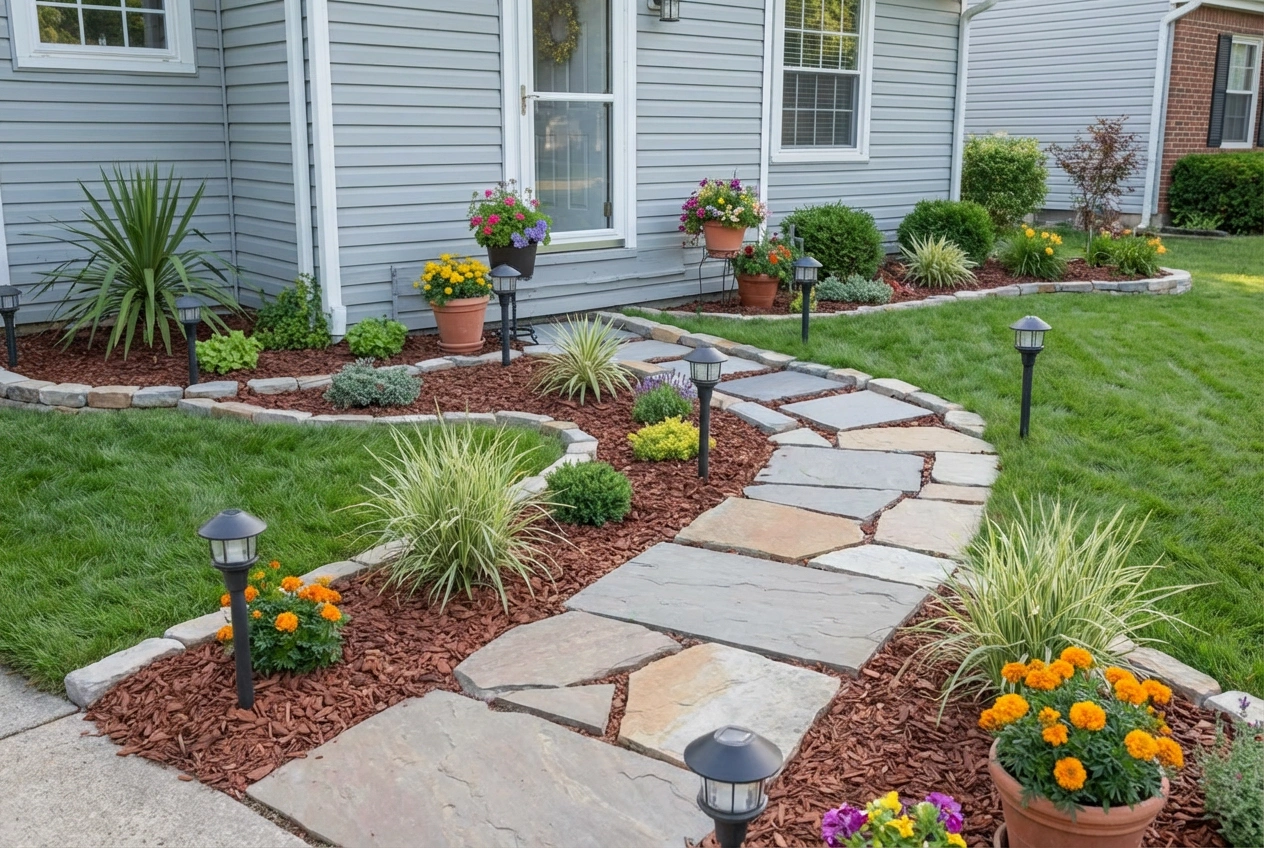
Easy Curb Appeal: Simple Landscaping Front Yard Budget Ideas Under $300 🌿
Introduction to Easy Curb Appeal: Simple Landscaping Front Yard Budget Ideas Under $300 🌿
Your front yard is the handshake of your home—the first impression that welcomes guests and announces your style to the neighborhood. However, the thought of a landscape overhaul can be daunting, especially when finances are tight. The good news? You don’t need a landscape architect or a five-figure budget to create a beautiful, inviting entrance. With some creativity and strategic choices, you can achieve remarkable simple landscaping front yard budget transformations. This guide is dedicated to proving that curb appeal is accessible to everyone. We’ll explore how to leverage affordable plants, clever hardscaping, and DIY projects to craft a space that feels both polished and personal. The atmosphere we’re aiming for is one of welcoming charm and tidy elegance, where every element feels intentional without appearing overdone. This approach is transformative because it directly impacts how you feel coming home each day and boosts the overall value and character of your property. Let’s move past the intimidation and discover how a modest investment of under $300 can yield a lush, vibrant, and utterly charming front yard makeover.
Why Choose Simple Landscaping Front Yard Budget Ideas for Your Space
Opting for a budget-friendly front yard redesign is a smart choice for numerous reasons, extending far beyond mere cost savings. Firstly, it’s an incredibly effective way to maximize visual impact with minimal resources. By focusing on a few key areas—like the entryway, a bare corner, or an overgrown garden bed—you create focal points that draw the eye and make the entire space feel cared for. This strategy of targeted enhancement is the core of affordable curb appeal.
Furthermore, a low-cost landscaping project is manageable. You can complete it over a weekend or in small, satisfying increments, which is perfect for busy homeowners, renters looking to personalize without permanent changes, or DIY enthusiasts eager for a tangible, rewarding project. The emotional payoff is immense; cultivating your own outdoor space fosters a sense of pride and connection to your home. It’s also a highly functional upgrade. For instance, proper edging defines spaces and reduces maintenance, while strategic plantings can provide shade or improve privacy. Ultimately, this approach proves that great design isn’t about how much you spend, but how thoughtfully you apply fundamental principles of color, texture, and scale to create harmony and welcome at your doorstep.
Key Elements & Design Components
Essential Decor Items for a Budget Front Yard Makeover
Think of your front yard as an outdoor room. The “decor” here includes both softscape (living elements) and hardscape (non-living elements). For a cost-effective garden face-lift, focus on these essential components:
- Foundation Plants: Start with 2-3 affordable, evergreen shrubs or ornamental grasses. These provide year-round structure and form the backbone of your design. Dwarf boxwoods, lavender, or fountain grass are excellent, low-maintenance choices.
- Pop of Color: Annuals and perennials are your best friends for injecting vibrant color without breaking the bank. Pansies, marigolds, or petunias in seasonal pots or a small dedicated flower bed create an instant cheerful impact.
- Defined Edging: A crisp edge where your lawn meets your garden beds is a game-changer for a polished front entrance. Use inexpensive metal, plastic, or even repurposed bricks to create clean lines that make everything look intentionally designed.
- Mulch or Ground Cover: A fresh layer of mulch (like hardwood or pine bark) is arguably the most cost-effective upgrade. It suppresses weeds, retains soil moisture, and gives beds a uniform, finished appearance. For a living alternative, consider creeping thyme or sedum as a DIY ground cover.
- Focal Point Accessories: One statement piece can anchor the space. This could be a painted vintage chair, a distinctive urn planter found at a thrift store, a DIY birdbath, or a set of solar-powered pathway lights.
- The Entryway Itself: Don’t forget the literal front door. A gallon of bold paint, a new welcome mat, and a symmetrical pair of potted plants flanking the door are incredibly powerful easy yard upgrades.
Style Variations & Budget-Friendly Alternatives
Your inexpensive outdoor decor should reflect your home’s architecture and your personal taste.
* For the Modern Minimalist: Focus on clean lines and repetition. Use matching geometric planters, a monochromatic color scheme (all white flowers, or shades of green), and use gravel or river rock as mulch.
* For the Cottage Charm Lover: Embrace a fuller, looser look. Mix and match second-hand containers, allow plants to spill over edges, and incorporate whimsical elements like a painted wooden crate or a small picket fence section.
* Renter-Friendly & Non-Permanent Solutions: Use large, movable containers for all your plantings. Create a vertical garden on a trellis leaned against the wall. Use window boxes attached with no-drill brackets. All these elements can move with you.
* Ultra-Budget Alternatives: Instead of buying new plants, divide perennials from friends’ gardens or root cuttings. Use painted rocks as garden markers or decor. Repurpose old ladders as plant stands. Source free mulch from community programs or fallen leaves.
How to Achieve the Look: Step-by-Step Styling Guide
Follow this actionable plan to transform your front yard on a tight landscaping budget.
Step 1: The Clean Slate & Assessment
Begin with a thorough cleanup. Pull weeds, trim overgrown shrubs, edge along walkways and driveways, and mow the lawn. This free step instantly improves the view. Then, stand across the street and assess. Identify the problem areas (e.g., a bare spot by the porch, a messy corner) and the existing assets (a healthy tree, a nice walkway). This assessment ensures your $300 is spent where it will have the most significant effect.
Step 2: Plan Your Focal Points & Budget Allocation
Decide on 1-2 primary focal points. This is crucial for simple front yard design. Will it be the front door area? A new garden bed along the walkway? A seating nook? Allocate your budget: roughly 50% on plants/soil/mulch, 25% on hardscape/accessories (edging, a pot, lights), and 25% as a contingency for tools or that perfect thrift store find.
Step 3: Install or Refresh Garden Beds with Edging
Define your planting areas. Using a garden hose, lay out the shape of a new bed or redefine an existing one. Install your chosen edging material to create a sharp border. This single act of defining space makes the entire yard look organized and designed, a cornerstone of affordable curb appeal.
Step 4: Amend Soil and Plant Your Foundation
Once beds are defined, add a bag or two of compost to enrich the soil—this helps new plants thrive. Plant your foundational shrubs or grasses first, placing them according to their mature size. Remember to group plants with similar sun and water needs together for easier low-maintenance landscaping.
Step 5: Add Layers of Color and Texture
Fill in around your foundation plants with your chosen perennials and annuals. Place taller plants in the back (or center of an island bed) and shorter ones toward the front. For instant gratification, tuck in a few pre-blooming annuals from a nursery. This layering creates depth and visual interest, essential for a charming home exterior.
Step 6: Apply a Fresh Layer of Mulch
Spread 2-3 inches of mulch over all exposed soil in your beds. Keep the mulch a few inches away from plant stems and tree trunks. This “finishing touch” makes colors pop, unifies the design, and is a hallmark of a polished front entrance.
Step 7: Accessorize and Illuminate
Finally, add your personality. Place your focal point accessory. Hang a seasonal wreath. Install two solar path lights to flank your walkway. These final details personalize the space and extend its enjoyment into the evening, completing your DIY yard makeover.
Elevating the Look: Advanced Styling Tips
Once your foundational simple landscaping front yard budget makeover is complete, these advanced tips can add extra polish and personality.
* Repetition for Rhythm: Repeat the same plant, color, or type of container in two or three places across the yard. This creates a cohesive, professional rhythm that ties the space together.
* Vertical Interest: Utilize fences, walls, or railings. Add a hanging basket, a wall-mounted planter, or a small climbing vine on a trellis. This draws the eye upward and maximizes planting space, a key strategy in small yard landscaping.
* Nighttime Curb Appeal: Incorporate a few more solar lights—up-lighting a beautiful tree or shrub, or stringing fairy lights in a small porch tree. It creates a magical ambiance and enhances safety.
* Seasonal Swaps: Keep the look fresh year-round. In autumn, swap summer annuals for mums and ornamental kale. In winter, add evergreen boughs and red twig dogwood branches to pots. A simple change of the welcome mat and potted plants signals the season.
* The Power of Paint: Never underestimate a fresh coat. Painting your front door, your house numbers, a dull mailbox, or even a tired concrete porch floor with specialty paint can have a dramatic, high-impact effect for under $50.
Maintenance & Care: Keeping Your Space Fresh
Maintaining your new budget-friendly front yard is straightforward and ensures your investment lasts.
* Watering Wisely: Water new plantings deeply and regularly for their first season. After that, choose drought-tolerant natives where possible and consider a soaker hose for efficiency. Grouping plants with similar water needs is the best low-maintenance landscaping practice.
* Mulch Refresh: Top up your mulch once a year, typically in the spring. This keeps weeds at bay and maintains that crisp, dark background that makes plants stand out.
* Pruning & Deadheading: Regularly deadhead (remove spent flowers) from your annuals and perennials to encourage more blooms. Prune shrubs in their appropriate season to maintain shape and health.
* Weeding: Stay on top of weeds when they are small. A few minutes of weeding each week is far easier than a major overhaul. The edging you installed will significantly reduce grass creep.
* Seasonal Tune-Ups: Each season, do a quick assessment. Trim back perennials in the fall or spring, refresh container plantings, and clean pathways and hardscape elements. This proactive care keeps your easy yard upgrades looking intentional year-round.
FAQs: Frequently Asked Questions About Easy Curb Appeal
Q1: I really only have $100. Can I still improve my curb appeal?
Absolutely. Focus on the highest-impact, lowest-cost items: a gallon of paint for your front door, one large bag of mulch to refresh existing beds, a new welcome mat, and two matching pots with colorful annuals to flank your door. A deep clean (weeding, edging, washing the porch) is free and makes a huge difference.
Q2: What are the best plants for a simple landscaping front yard budget that I can’t kill?
Look for native, drought-tolerant perennials and hardy shrubs suited to your climate zone. Some nearly foolproof options (in many zones) include: Sedum (‘Autumn Joy’), Daylilies, Hostas (for shade), Ornamental Grasses (like Blue Fescue), Lavender, and Boxwood shrubs. Your local nursery is the best resource for zone-specific advice.
Q3: How can I make my small front yard look bigger with simple landscaping?
Use design tricks like creating a curved pathway or bed line instead of a straight one, which adds the illusion of depth. Use lighter-colored mulch or stones. Ensure all plants are scaled appropriately—choose dwarf shrub varieties. Finally, keep the design simple and uncluttered; a few well-placed elements are more effective than many small ones.
Q4: I’m a renter. What are my best options for affordable curb appeal I can take with me?
Concentrate all your efforts on portable containers and non-permanent accessories. Invest in beautiful, large pots for your plants. Use freestanding vertical garden structures, a stylish outdoor rug for the porch, and removable solar lights. Everything can move to your next home, allowing you to invest in quality items you love.
Q5: How do I deal with a boring, plain lawn as the main feature of my front yard?
Instead of fighting it, frame it and add points of interest around it. Create a defined, mulched island bed in the center of the lawn with a small ornamental tree or a cluster of grasses. Alternatively, add wide, lush planting beds along the perimeter of your property line to encase the lawn in color and texture, making the lawn itself look like a intentional green carpet.