
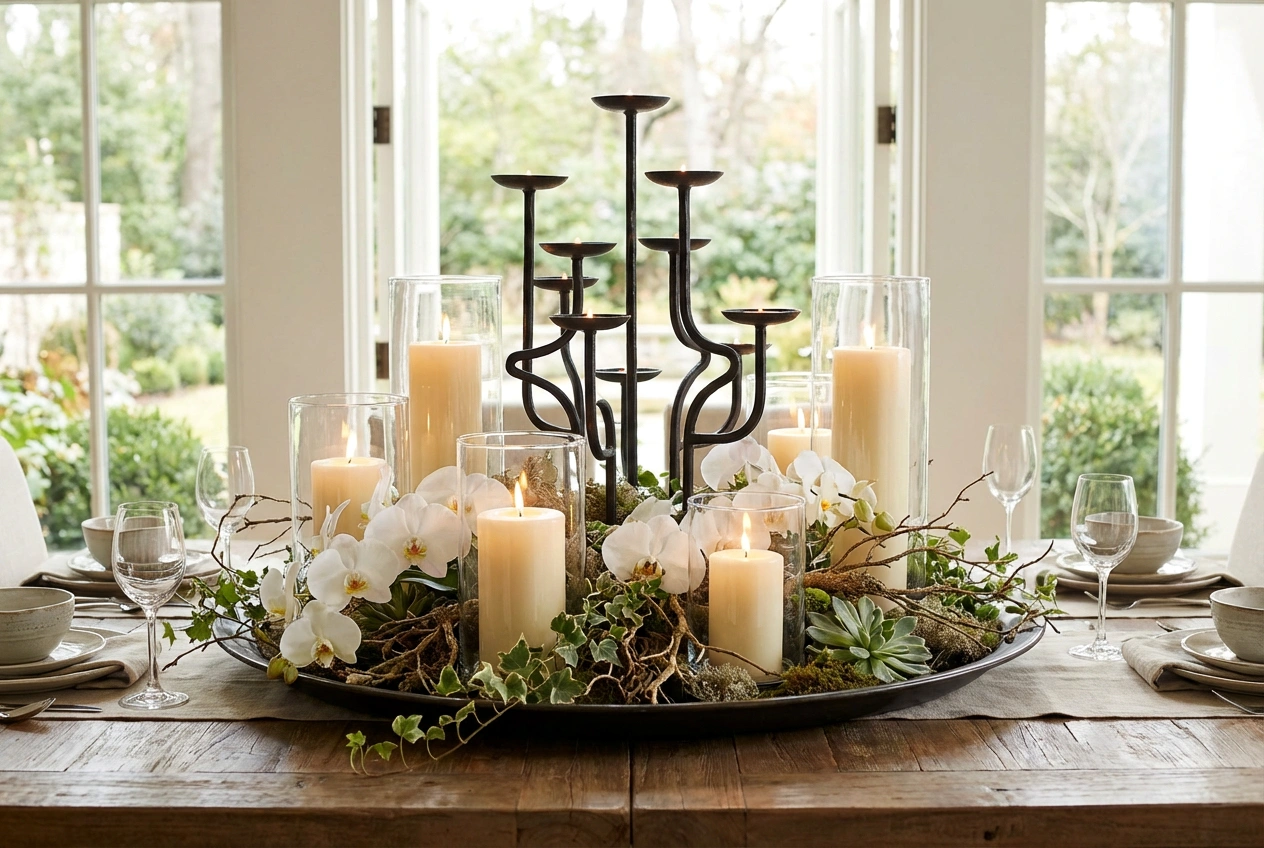
Stylish Centerpiece for Dining Table: Elevate Your Home Decor with Unique Designs
The dining table is more than just a surface for meals; it’s the heart of the home, a place for connection, celebration, and conversation. Consequently, the center piece for dining table you choose holds immense power. It’s the anchor of your tablescape, a silent storyteller that sets the mood, reflects your personality, and transforms everyday dining into an experience. Moving beyond a simple vase of flowers, today’s stylish table centerpieces are curated compositions—unique designs that blend aesthetic appeal with personal meaning. Whether your style leans minimalist, rustic, modern, or eclectic, a thoughtfully chosen focal point can elevate your entire home decor, creating a space that feels both intentional and inviting. This guide will inspire you to look at your dining table not as furniture, but as a canvas for artistic expression.
Introduction to Stylish Centerpiece for Dining Table: Elevate Your Home Decor with Unique Designs
Imagine walking into a dining room where the table commands attention—not through clutter, but through a captivating, curated arrangement at its center. This is the magic of a well-designed tablescape focal point. A stylish dining table centerpiece is the cornerstone of your room’s aesthetic; it establishes a visual anchor, creates a sense of balance, and infuses the space with your unique design sensibility. Fundamentally, it bridges the gap between functionality and artistry, turning a utilitarian area into a hub of beauty and warmth.
The atmosphere it creates can vary dramatically: a low, sprawling arrangement of succulents and driftwood evokes a serene, organic minimalism, while a grand, tiered candelabra dripping with crystals whispers of opulent, formal dinners. A rustic wooden tray holding vintage bottles and dried wheat speaks to cozy, farmhouse charm. The key is that this central decor element is no longer an afterthought. It is a deliberate design choice that sets the tone for gatherings, big and small. By choosing a centerpiece that resonates with you, you actively participate in crafting the emotional landscape of your home—making it feel more cohesive, personal, and truly yours.
Why Choose a Stylish Centerpiece for Dining Table: Elevate Your Home Decor with Unique Designs for Your Space
You might wonder why such emphasis should be placed on a single decorative item. The reason is multifaceted, impacting both the visual harmony and the lived experience of your dining area. Firstly, a central tablescape element provides crucial visual weight and balance. A large, empty table can feel stark and uninviting. A well-proportioned centerpiece fills that visual void, grounding the space and creating a focal point that draws the eye and organizes the room’s layout around it.
Secondly, it is an unparalleled tool for expressing personal style and seasonal flair. Your choice of materials—be it sleek marble, weathered wood, glossy ceramics, or forged iron—immediately communicates your design language. Furthermore, you can easily swap elements to reflect the seasons: vibrant blooms in spring, seashells in summer, pumpkins and gourds in autumn, and pinecones with berries in winter. This adaptability keeps your decor dynamic and engaging throughout the year.
Moreover, a stylish table anchor enhances functionality by defining the space. It can help corral condiments or serving dishes in a stylish way when using a tray or bowl as the base. Most importantly, it fosters connection. A beautiful, interesting tablescape becomes a conversation starter, setting a thoughtful and welcoming stage for meals with family and friends. It signals that this time and this space are special, thereby elevating the simple act of dining into a cherished ritual.
Key Elements & Design Components
Crafting the perfect dining table focal point is about combining key components with intention. It’s not about filling space, but about creating a composition.
Essential Decor Items for a Captivating Table Centerpiece
The foundation of any great tablescape centerpiece lies in its core components. Start with a base or anchor piece. This could be a tray, a runner, a large platter, or a stack of books. Its purpose is to define the boundaries of your arrangement and create a cohesive look. Next, consider your primary vessels or objects. These are the statement pieces: a stunning vase, a collection of candlesticks of varying heights, an artistic sculpture, or a beautiful bowl. Height variation is critical here; combining tall (candles, tall vases) with medium (medium-height objects) and low (sprawling greenery, low bowls) elements creates visual interest and allows for easy conversation across the table.
Then, layer in textural and organic elements. This is where personality shines. Think beyond flowers: include dried botanicals like pampas grass or bunny tails, fresh fruit like lemons or artichokes, interesting stones or geodes, stacks of books, or pieces of curated driftwood. Finally, add ambiance elements. This primarily means lighting—candles (pillar, taper, or tea lights) are indispensable for creating warmth and intimacy. Dimmable overhead lighting or a small, elegant lamp can also play a supporting role.
Style Variations & Budget-Friendly Alternatives
The beauty of table decor is its accessibility. For a modern minimalist look, focus on a single, sculptural object—like a lone orchid in a sleek ceramic pot or a geometric concrete block. A rustic or farmhouse style thrives on imperfection: use a wooden dough bowl filled with moss, faux eucalyptus, and a few pillar candles. Glamorous settings call for metallics, crystal, and mirrored trays.
Happily, achieving a high-end look doesn’t require a high-end budget. Instead of fresh flowers daily, invest in high-quality faux stems or use inexpensive greenery like eucalyptus from the grocery store. Thrift stores are treasure troves for unique vases, candlesticks, and trays. Use items you already own: a cake stand can become a pedestal, a favorite bowl can hold seasonal fruit, and hardcover books can add height and color. For renters or those who love change, consider temporary solutions like a removable vinyl table runner or a centerpiece that can be easily disassembled and stored.
How to Achieve the Look: Step-by-Step Styling Guide
Creating your own stunning dining table arrangement is a simple, enjoyable process. Follow these steps to build a balanced and beautiful focal point.
Step 1: Define Your Vibe and Clear the Canvas
Start with a completely clean table. Decide on the mood you want to create. Is it formal, casual, organic, or festive? This decision will guide every subsequent choice, from color palette to material selection. For a formal dinner, you might lean towards symmetrical arrangements with candles and white blooms. A casual brunch calls for a more relaxed, asymmetrical look with bright colors and natural elements.
Step 2: Select and Place Your Base
Choose a tray, runner, or set of placemats to act as the foundation for your tablescape centerpiece. This base helps contain the arrangement and adds a layer of texture. Center it on your table, ensuring there’s enough room at either end for place settings. A long, narrow runner is perfect for rectangular tables, while a round tray or a cluster of smaller mats works well on square or round tables.
Step 3: Establish Height with Your Anchor Pieces
Place your tallest or most significant items first. This is often a pair of candlesticks or a tall vase. If using a pair, place them at opposite ends of your base to create a balanced framework. For a more modern look, use a single, off-center tall piece. The goal is to create a silhouette that has variation; avoid having all elements at the same height.
Step 4: Add Medium-Height Interest and Volume
Now, introduce your secondary elements. This could be a medium-height vase with flowers, a cluster of smaller vessels, or a decorative object like a wooden bowl or a stack of books. Place these items to fill the space between your tall anchors, creating a sense of fullness and layering. This layer often provides the most color and texture.
Step 5: Incorporate Low, Sprawling Elements for Depth
Fill in the gaps and connect the various pieces with low-profile items. Drape a garland of eucalyptus or ivy across the base. Scatter loose petals, moss, or a collection of small stones, pinecones, or citrus fruits. This layer adds richness, covers the mechanics of your arrangement (like floral foam), and makes the design feel grounded and intentional.
Step 6: Integrate Lighting and Final Ambiance Touches
Finally, add your light sources. Insert candles into your candlesticks, dot tea lights around the arrangement (always on a non-flammable surface), or light a nearby lamp. For daytime, ensure natural light can highlight your creation. This step is essential for adding the warm, inviting glow that makes a dining table truly magical.
Step 7: Step Back, Assess, and Edit
Walk around the table and view your dining table centerpiece from all angles, especially from a seated position. Ensure sightlines aren’t blocked. Remove any item that feels superfluous. The best arrangements often have a little breathing room. Remember, the table decor should complement the meal and conversation, not dominate it.
Elevating the Look: Advanced Styling Tips
Once you’ve mastered the basics, these pro tips will help polish your tablescape to perfection. First, consider scale relentlessly. Your table’s focal point should be no more than one-third the length of your table and low enough that guests can see each other. For a more dynamic look, embrace asymmetry. Instead of a perfectly mirrored arrangement, try grouping items in odd numbers (3, 5, 7) and clustering them to one side, allowing the negative space to become part of the design.
Play with reflection by incorporating mirrored trays or metallic finishes, which bounce light and make the space feel larger. Furthermore, don’t forget scent. Scented candles, fresh herbs like rosemary or lavender, or citrus fruits can engage another sense, making the dining experience more immersive. Lastly, extend the theme beyond the central decor. Coordinate your table linens, dinnerware, and even wall art with the colors or materials in your centerpiece to create a fully cohesive and designed room.
Maintenance & Care: Keeping Your Space Fresh
A beautiful table anchor requires some care to stay looking its best. Dust regularly with a soft brush or microfiber cloth, especially for intricate items like dried florals or candelabras. For fresh floral arrangements, change the water daily and trim stems to prolong their life. Rotate your decor seasonally or even monthly to prevent visual fatigue and keep your space feeling current. This doesn’t require a full overhaul; simply swapping out a few key elements (e.g., exchanging summer shells for autumn gourds) can have a big impact.
Store delicate items like special vases or holiday-specific pieces carefully in labeled boxes with padding. For wooden trays or bowls, use appropriate polish or oil to maintain their luster. Most importantly, don’t be afraid to dismantle and start over. The joy of a tablescape centerpiece is in its impermanence and adaptability, allowing your dining space to evolve as your style does.
FAQs: Frequently Asked Questions About Stylish Centerpiece for Dining Table: Elevate Your Home Decor with Unique Designs
Q: How do I choose a centerpiece for a small dining table?
A: For small tables, opt for a low and long arrangement or a single, compact statement piece. A narrow runner with a line of small bud vases, a shallow bowl filled with lemons, or a single low candle surrounded by greenery works perfectly. The key is to preserve precious surface area for plates and glasses while still adding personality.
Q: Can I have a centerpiece on my table all the time, even when not dining?
A: Absolutely! A permanent tablescape focal point acts like art for your table. Keep it simple and low-maintenance—like a beautiful tray holding a candle, a stack of books, and a small plant. It ensures your dining room always looks pulled together and inviting.
Q: What are some non-floral centerpiece ideas?
A: There are endless possibilities! Consider a collection of vintage books with a magnifying glass on top, a bowl of polished stones or geodes, a trio of sculptural ceramic objects, a terrarium, a basket filled with woven balls or textured yarn, or a tray with elegant bottles of different shapes and heights.
Q: How do I make my centerpiece kid-friendly or pet-safe?
A: Avoid easily breakable materials like thin glass or ceramics. Opt for sturdy wood, metal, or unbreakable plastics/acrylics. Skip loose small items that could be choking hazards. Use battery-operated candles instead of real flames, and ensure any plants are non-toxic if you have curious pets.
Q: My style is very minimalist. What’s a suitable centerpiece?
A: Minimalism celebrates single, intentional objects. Choose one perfect item: a singular, sculptural branch in a vase, a smooth, interesting stone placed on a linen napkin, a solitary candle in a beautiful holder, or a clean-lined, monochromatic ceramic vessel. The power lies in its isolation and form.