
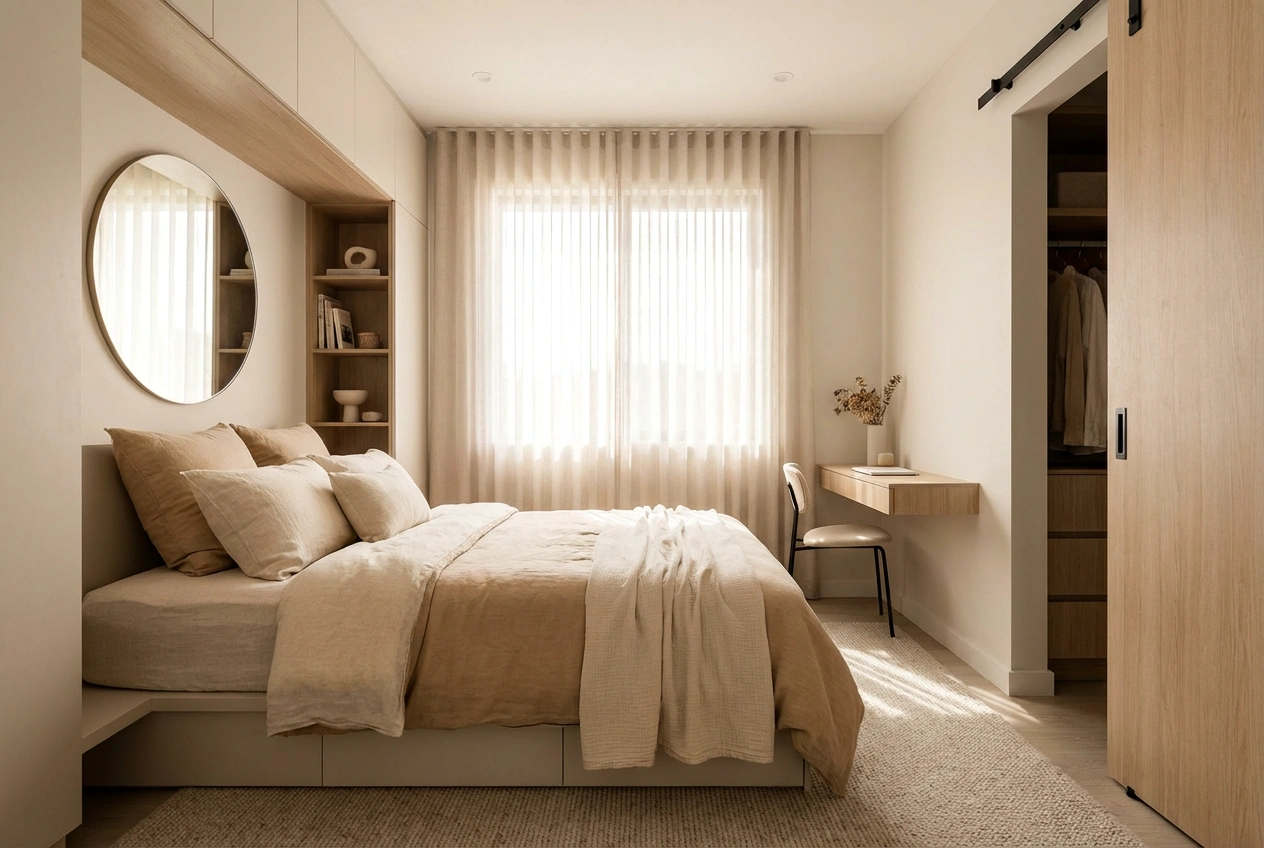
15 Creative Bedroom Ideas for Small Rooms: 15 Ways to Make an Extremely Small Bedroom Look Bigger
Introduction to 15 Creative Bedroom Ideas for Small Rooms: 15 Ways to Make an Extremely Small Bedroom Look Bigger
Living in a cozy home doesn’t mean you have to sacrifice style or comfort, especially when it comes to your personal sanctuary. In fact, a compact bedroom presents a unique opportunity to get creative and design a space that feels both intimate and expansive. The key lies in strategic choices that trick the eye and maximize every square inch. This guide is dedicated to unlocking the potential of your snug retreat, offering bedroom ideas for small rooms that prioritize light, illusion, and intelligent design. Whether you’re in a studio apartment, a city loft, or a charming older home with quaint dimensions, the challenge of a tiny bedroom can be transformed into its greatest asset. By focusing on a blend of minimalist principles, clever storage, and reflective surfaces, you can cultivate an atmosphere that feels airy, organized, and deeply personal. Ultimately, the goal is to move beyond simply fitting everything in and instead, to craft a room that breathes, inspires, and feels much larger than its physical boundaries. Let’s explore how smart design can create a powerful sense of space and serenity.
Why Choose Creative Solutions for Your Compact Bedroom?
Embracing strategic bedroom ideas for small rooms is not just about making do; it’s about making more. A thoughtfully designed small space offers unparalleled benefits that go beyond mere aesthetics. Firstly, it forces a sense of intentionality. Every piece of furniture and every decor item must earn its place, leading to a clutter-free, serene environment that promotes relaxation and mental clarity. This curated approach naturally reduces stress and creates a haven of calm.
Furthermore, a well-planned small bedroom is a masterpiece of functionality. It encourages innovative solutions—like multi-purpose furniture and vertical storage—that can make even the most compact layout incredibly efficient. This efficiency translates to a seamless daily routine where everything has a home, saving you time and frustration. From a visual standpoint, the techniques used to enlarge a room—such as a light color palette, strategic mirror placement, and cohesive design flow—create a harmonious and uplifting atmosphere. The room feels open, bright, and inviting, rather than cramped and confined. Consequently, investing in these design principles offers a high emotional return, transforming a potential limitation into a stylish, cozy, and supremely functional personal retreat that feels expansive and uniquely yours.
Key Elements & Design Components
Essential Decor Items for a Spacious Small Bedroom
To execute successful small bedroom design, certain elements are non-negotiable. Each item should serve a dual purpose: function and the illusion of space.
- The Bed: Opt for a low-profile platform bed with built-in drawers. This eliminates the need for a bulky bed frame and a separate dresser, saving tremendous floor space. A bed with a simple, clean-lined headboard (or none at all) prevents visual heaviness.
- Lighting: Layer your lighting. Combine overhead lighting with wall-mounted sconces (freeing up nightstand space) and under-bed LED strips. Ample, well-distributed light eliminates dark corners that make a room feel smaller.
- Mirrors: A large mirror is the most effective tool for making a small room look bigger. Position it opposite a window to double the natural light and view, creating depth. A mirrored closet door is another brilliant space-enhancing trick.
- Color Palette: Stick to a light, monochromatic, or tonal color scheme. Soft whites, pale grays, gentle beiges, and muted pastels on walls, bedding, and large furnishings reflect light and create a seamless, airy backdrop.
- Window Treatments: Install curtains in a light, airy fabric and hang the rod high and wide, extending beyond the window frame. This draws the eye upward and makes the window appear larger, inviting more light in.
- Storage: Think vertically. Use tall, slender bookcases, floating shelves, and over-the-door organizers. The goal is to keep the floor as clear as possible to enhance the sense of openness.
- Furniture Scale: Choose furniture with exposed legs (sofa, chair, nightstand) to allow light to pass underneath, creating a feeling of lightness and more visible floor space.
Style Variations & Budget-Friendly Alternatives
Your compact bedroom ideas can adapt to any style, from Scandinavian minimalist to eclectic boho. For a modern look, focus on sleek, built-in storage and metallic accents. For a cozy, rustic feel, use warm wood tones and textured textiles in the same light color family.
Budget is no barrier to smart design. Consider these alternatives:
* Instead of a new bed: Use bed risers for under-bed storage bins and paint an old headboard a light color.
* Instead of built-ins: Use a series of matching baskets on open shelving for a uniform, affordable storage look.
* Instead of paint: Use removable, light-colored wallpaper on a single accent wall to add depth without commitment.
* Instead of a large rug: Use a natural fiber sisal or jute rug to add texture without a bold pattern that might break up the space.
* Instead of art: Create a gallery wall with small, similarly framed prints or photos to add personality without a single large, space-consuming piece.
How to Achieve the Look: Step-by-Step Styling Guide
Follow this actionable plan to transform your tiny sleeping quarters into a room that feels expansive and stylish.
Step 1: Declutter and Define Your Needs
Begin by ruthlessly editing your belongings. Remove anything that isn’t essential or doesn’t bring you joy. For your small space bedroom, this step is critical. Ask yourself what functions the room must serve (sleep, dressing, reading) and let that guide all future decisions.
Step 2: Establish a Light & Airy Color Scheme
Paint your walls and ceiling the same light color. This eliminates contrast at the ceiling line, making boundaries blur and the room feel taller. Extend this palette to your largest textiles, like bedding and curtains, to create a cohesive, expansive shell.
Step 3: Optimize Your Furniture Layout
Place your bed on the longest wall, ideally opposite the door. Avoid pushing all furniture against the walls; sometimes, a small floating nightstand or leaving a slight gap behind a headboard can make the room feel less cramped. Ensure pathways are clear.
Step 4: Invest in Multi-Functional Furniture
Choose pieces that work double-duty. A storage ottoman can serve as seating and a hiding place for blankets. A desk can double as a vanity. A wall-mounted drop-leaf table can be a nightstand or workspace. This is a cornerstone of smart bedroom ideas for small rooms.
Step 5: Install Strategic Lighting & Mirrors
After painting, hang a large mirror on a wall perpendicular to a window. Install sconces or pendant lights by the bed. Ensure you have lighting for ambiance, task, and overall illumination to keep the room bright and inviting at all times.
Step 6: Implement Vertical Storage Solutions
Utilize the space from floor to ceiling. Install shelves above door frames or the bed. Use a tall, narrow dresser instead of a wide one. Hang hooks on the back of the door for robes and bags. Keeping storage off the floor is key.
Step 7: Curate a Cohesive Decor Scheme
Finally, add personality with a few well-chosen items. Use a limited color palette for accessories. Choose a few pieces of art rather than many small ones. Add texture with a throw pillow or knit blanket in your chosen color family. Less is always more in a small bedroom design.
Elevating the Look: Advanced Styling Tips
Once the foundation is set, these nuanced touches will polish your bedroom decor for small spaces to perfection.
- Play with Scale: Introduce one slightly oversized item, like a large piece of abstract art or a big, fluffy light-colored rug. This unexpected scale can trick the eye into perceiving the room as larger.
- Use Reflective Surfaces: Beyond mirrors, incorporate glass (nightstand tops), glossy paint (on furniture), or metallic finishes (lamp bases, picture frames). These elements bounce light around the room.
- Create a Focal Point: Draw the eye to a single feature, such as an upholstered headboard in a soft hue, a beautiful piece of artwork, or a striking light fixture. A clear focal point gives the room purpose and distracts from its size.
- Embrace Transparency: Furniture made of acrylic or glass (like a ghost chair or clear acrylic nightstand) occupies visual space without blocking light or sightlines, making them perfect for making a small room look bigger.
- Layer Textures, Not Patterns: To keep the space serene but interesting, layer different textures in similar tones—think a chunky knit throw, smooth linen sheets, a nubby wool rug, and a velvet pillow.
Maintenance & Care: Keeping Your Space Fresh
The secret to maintaining the spacious feel of your compact bedroom is consistent upkeep. A light color scheme shows dust more easily, so a weekly quick dusting and vacuuming are essential. For under-bed storage, schedule a seasonal purge to prevent clutter from accumulating out of sight. Wash light-colored curtains and bedding regularly to keep them bright and airy. Furthermore, be mindful of “decoration creep.” Every few months, reassess surfaces and remove items that have accumulated. Finally, refresh the room seasonally by swapping out textiles—a lighter quilt in summer, a slightly heavier one in winter—but always within your established color palette to preserve the cohesive, open feel.
FAQs: Frequently Asked Questions About Small Bedroom Design
Q: What is the best color for a very small bedroom?
A: Light, cool, and neutral colors are most effective. Soft whites, pale grays, light blues, and gentle greens reflect light and make walls recede. For a small bedroom design, painting the trim and ceiling the same color as the walls is the ultimate trick to erase boundaries.
Q: Can I use dark colors in a small bedroom?
A: Yes, but strategically. Using a deep, rich color on a single accent wall (behind the bed is ideal) can create depth and drama, making the wall appear to push back. However, balance it with very light colors on the other walls and ample lighting.
Q: What type of bed is best for maximizing space?
A: A platform bed with integrated storage drawers is the top choice for bedroom ideas for small rooms. Alternatively, a loft bed (if ceiling height allows) frees up the entire floor space underneath for a desk or seating area. A simple Murphy bed is another excellent space-saving solution.
Q: How can I add storage without making the room feel cramped?
A: Focus on vertical space and dual-purpose furniture. Floor-to-ceiling shelves, hooks on walls and doors, and storage beds are ideal. Always choose closed storage (cabinets, drawers, baskets) over open shelving for bulk items to maintain a clean visual line.
Q: Are area rugs a good idea in a small bedroom?
A: Absolutely, but size and placement matter. Choose a rug large enough to fit under the lower two-thirds of the bed and extend out on the sides. This anchors the space and makes it feel larger. Avoid small rugs that float in the middle of the room, as they can visually chop up the floor.