
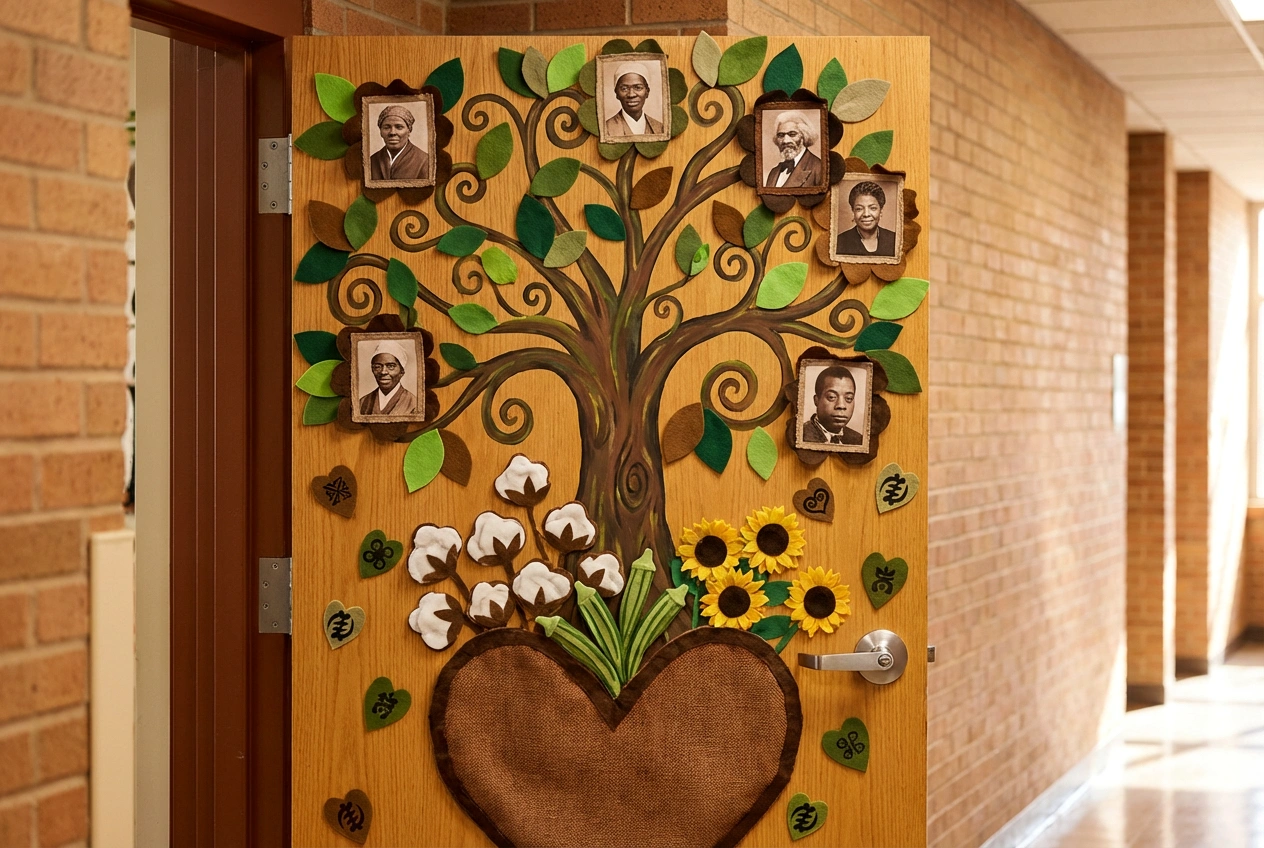
Creative Black History Month Door Decoration Ideas to Inspire Your Celebrations
Introduction to Creative Black History Month Door Decoration Ideas to Inspire Your Celebrations
Every February, our homes and communities have a beautiful opportunity to become vibrant canvases for storytelling, celebration, and reflection. While we honor Black History Month through education and events, our physical spaces can also play a powerful role. Transforming an ordinary door into a meaningful display is a creative and impactful way to participate. This year, move beyond simple posters and embrace truly inspiring Black History Month door decoration. This approach to seasonal decor is about more than just aesthetics; it’s about crafting an atmosphere of pride, education, and cultural resonance right in your hallway, classroom, or office entryway.
A thoughtfully designed door can serve as a daily inspiration, a conversation starter, and a heartfelt tribute to the monumental achievements, enduring strength, and vibrant culture of Black history. Whether you lean towards a minimalist, modern look with bold typography and clean lines, or a more rustic, collage-style homage filled with textures and portraits, the goal is to create a space that feels both personal and profound. This transformative decor style allows everyone—from homeowners and renters to teachers and DIY enthusiasts—to make a statement that is visually striking and emotionally powerful, turning a functional part of your home into a centerpiece of celebration.
Why Choose Creative Black History Month Door Decoration Ideas to Inspire Your Celebrations for Your Space
Opting for a dedicated Black History Month door design offers a unique set of benefits that go far beyond typical seasonal decorating. First and foremost, it creates an immediate and powerful visual impact. A door is a natural focal point; it’s the first thing guests see before entering a room. By adorning it with purpose, you set a tone of thoughtfulness and celebration, making a bold statement about the values you hold dear. This form of decor fosters a deep emotional connection, serving as a daily reminder of resilience, innovation, and joy.
Furthermore, a themed door display for Black History Month is an exceptional educational tool, especially in family homes or classrooms. It can spark curiosity in children and adults alike, encouraging questions and discussions about the figures, quotes, and events depicted. From a design perspective, it allows for incredible creative freedom. You can experiment with color palettes rooted in Pan-African colors (red, black, green, and gold), play with mixed media, or focus on powerful silhouettes and typography. This project is also highly inclusive and adaptable; it works for any budget, requires no permanent changes (perfect for renters), and can be as simple or elaborate as your time and vision allow. Ultimately, choosing to create this display is a choice to make your space more meaningful, interactive, and inspiring.
Key Elements & Design Components
Essential Decor Items for Creative Black History Month Door Decoration Ideas to Inspire Your Celebrations
To bring your visionary door decor to life, you’ll want to gather a mix of foundational items and decorative accents. Here’s a detailed list to guide your crafting journey:
- The Foundation (Backing Material): Start with a base that covers your door. This could be bulletin board paper, a large piece of fabric (like burlap for texture or black felt for drama), wrapping paper, or even removable wallpaper in a solid color or subtle pattern. This creates a clean canvas and protects your door surface.
- Central Imagery & Portraits: The heart of your display. Source high-quality printed images of iconic historical figures, contemporary leaders, artists, and innovators. Consider creating a “Wall of Fame” or a thematic collage. For a unified look, use black-and-white photos or silhouette cut-outs.
- Inspirational Typography: Words have power. Incorporate vinyl lettering, pre-cut felt letters, or hand-painted famous quotes from luminaries like Maya Angelou, James Baldwin, or Martin Luther King Jr. Large, bold phrases like “Nevertheless, She Persisted” or “I Have a Dream” make a strong visual statement.
- Symbolic Colors & Textiles: Integrate the Pan-African colors—red (for the blood uniting all people of Black African ancestry), black (for the people), green (for the fertile land of Africa), and gold (for wealth and prosperity). Use ribbons, cardstock, paper chains, or fabric swatches in these hues.
- 3D Elements & Textures: Add depth and interest. This can include paper flowers in thematic colors, miniature African print fabric banners, cardboard cutouts of symbolic shapes (like fists, doves, or continents), or garlands made from book pages of significant literary works.
- Educational Components: For classrooms or family homes, add timelines, “Did You Know?” facts, or a small library pocket with cards featuring biographies. This interactive element elevates the display from decoration to a learning resource.
- Adhesive & Tools: Painter’s tape (for renters), removable adhesive putty, double-sided tape, or a low-temp glue gun. Also, have scissors, a ruler, and craft paper on hand.
Style Variations & Budget-Friendly Alternatives
Your Black History Month door idea can fit any style or budget. Here’s how to adapt:
- Minimalist & Modern: Use a monochromatic base (e.g., black door with white decals). Feature a single, powerful silhouette or one impactful quote in a clean font. This style is low-cost, using mainly printed paper and careful placement.
- Rustic & Collage-Style: Embrace an eclectic, layered look. Use old book pages, maps of Africa, and a mix of portrait sizes. Thrift frames (spray-painted uniformly) can hold quotes. This style often uses recycled materials, keeping costs down.
- Interactive & Youth-Focused: Design the door with elements kids can touch. Create a “Guess Who?” flap with facts under portraits, or attach QR codes that link to short videos or songs. Use bright, colorful construction paper and child-friendly crafts.
- Budget-Friendly Swaps: Instead of buying new fabric, use an old black sheet or tablecloth. Print images at home on standard paper instead of photo paper. Use colored construction paper instead of specialty cardstock. Create letters by hand-cutting from old magazines or newspapers for a unique, recycled look.
How to Achieve the Look: Step-by-Step Styling Guide
Follow this detailed guide to create a cohesive and stunning Black History Month door decoration from start to finish.
Step 1: Conceptualize Your Theme and Gather Inspiration
Before touching any materials, decide on your core message. Will you focus on “Trailblazing Women,” “Literary Giants,” “STEM Pioneers,” or a general “Celebration of Excellence”? Browse online for Black History Month door decorating ideas on platforms like Pinterest to spark your creativity. Sketch a rough layout on paper. This planning phase ensures your final display is organized and tells a clear story.
Step 2: Prepare Your Door Canvas
Clean your door surface to ensure good adhesion. Measure the door and cut your chosen background material (fabric, paper) to size. Secure it smoothly using painter’s tape or removable adhesive. For a painted door, you can work directly on the surface, but a base layer helps create a unified look and makes cleanup easier.
Step 3: Establish Your Layout and Place Central Elements
Lay out your main components (large portraits, a central quote) on the floor first to find a balanced arrangement. Do not glue anything yet! Typically, placing the largest or most important element slightly above center works well as a focal point. Once satisfied, begin attaching these key items to your door using adhesive putty, allowing for adjustments.
Step 4: Incorporate Color and Symbolism
Introduce your Pan-African colors strategically. You might create a border using strips of red, black, and green paper, or weave gold ribbon around the central imagery. Balance is key—you want the colors to enhance, not overwhelm, the central message of your themed door display.
Step 5: Add Depth with Textures and 3D Elements
This is where your design comes alive. Affix paper flowers around the border, dangle a garland from the top of the door, or use foam dots to lift some portraits slightly off the background for a shadow effect. These layers create visual interest and draw the eye across the entire composition.
Step 6: Finalize with Typography and Educational Details
Add your chosen quotes or key words in prominent, readable fonts. Place biographical facts or timelines in logical spots near the corresponding portraits. Step back frequently to assess the overall balance. Ensure there’s a clear visual path for the eye to follow and that the door doesn’t feel too cluttered on one side.
Step 7: Illuminate and Highlight (Optional)
For a truly advanced touch, consider lighting. Battery-operated LED string lights (in warm white or gold) can be woven around the frame to highlight the display at night. A small, discreet spotlight can also dramatize the door in an entryway.
Elevating the Look: Advanced Styling Tips
To take your Black History Month door design from great to exceptional, consider these polished finishing touches. First, pay attention to the periphery. The wall surrounding the door and the floor space in front of it are part of the visual field. Continue your theme with a small side table displaying relevant books or a framed art print. A coordinating welcome mat can anchor the entire vignette.
Next, think about mixed media. Incorporate actual objects related to your theme. For a door celebrating musicians, attach replica vinyl records or small instrument cutouts. For a literary theme, use real pages from classic novels protected in clear laminate. Furthermore, professional-grade materials make a difference. If your budget allows, printing central images at a photo lab on matte paper or having your main quote cut from vinyl by a local sign shop creates a crisp, lasting finish. Finally, don’t forget the power of scent and sound. Placing a subtle, warm-spiced candle nearby or having a playlist of jazz, soul, or spoken word playing softly in the background can create a fully immersive experience that honors the spirit of the celebration.
Maintenance & Care: Keeping Your Space Fresh
Your beautiful door decoration for Black History Month will stay vibrant with minimal care. Dust can be gently removed from paper elements using a clean, dry makeup brush or a can of compressed air held at a distance. For fabric backgrounds, a lint roller works wonders. If any adhesive residue remains after taking down your display, use a small amount of rubbing alcohol or adhesive remover on a cloth, testing first in an inconspicuous area. To preserve elements for future use, store flat portraits and paper items in a large portfolio or between sheets of acid-free paper in a flat box. 3D items like flowers or garlands can be placed in clear plastic bins. This care ensures your meaningful creations can inspire celebrations for years to come.
FAQs: Frequently Asked Questions About Creative Black History Month Door Decoration Ideas to Inspire Your Celebrations
Q: I’m a renter and can’t damage my doors. How can I participate?
A: Absolutely! This is a perfect project for renters. Use removable bulletin board paper as a background, and attach all elements with painter’s tape, removable adhesive putty, or washi tape. These products hold securely but come off cleanly without leaving marks or residue.
Q: I have limited time and crafting skills. Are there any quick ideas?
A: Certainly. A quick yet powerful Black History Month door idea is to create a “Word Cloud” door. Print a large, bold silhouette (like a raised fist or the African continent) and fill it in with hundreds of printed names of historical figures, inventors, artists, and activists in various fonts and sizes. It’s impactful and requires mostly printing and careful placement.
Q: How can I make my door decoration educational for children?
A: Focus on interactivity. Create a “Guess the Inventor” game with pictures of everyday items (like the traffic light or the ironing board) and have lift-up flaps revealing the Black inventor’s name and picture. You can also include a “Take What You Need” pocket with strips of paper featuring inspiring quotes that children can take with them.
Q: Where can I find high-quality images and information for my display?
A: Reputable sources are key. The Library of Congress, National Archives, and museum websites (like the Smithsonian National Museum of African American History and Culture) offer public domain images and accurate biographies. Always credit your sources if possible, especially in educational settings.
Q: Can I involve my whole family or community in this project?
A: Involving others is a wonderful way to build connection. Host a decorating party where everyone contributes by cutting out shapes, writing quotes, or researching a figure to feature. This collaborative approach makes the final Black History Month door decoration even more meaningful and celebrates the community spirit that is central to the month.